
Oral Health for Athletes: Why Sports Drinks and Mouth Breathing Hurt Your Teeth
Athletes have worse oral health than the general population because of how they train: sports drinks with pH 3.1-3.5, exercise dehydration that cuts salivary flow by up to 30%, and mouth breathing that removes the protective fluid layer from teeth simultaneously. The post-workout window is the highest-risk dental period of the day. This guide covers the Stephan curve, the compounding mechanisms, and the post-workout habit that addresses all three.

Quick Answer
Athletes have worse oral health than the general population, not despite their fitness, but partly because of it. At the London 2012 Olympic Games, 55% of athletes had cavities, 44.6% had dental erosion, and 76% had gingivitis. A 2025 systematic review and meta-analysis found combined caries prevalence of 44.4% and dental erosion at 36.5% among elite athletes. The reasons are specific: sports and energy drinks with a pH of 3.1 to 3.5 (well below the 5.5 enamel demineralization threshold) are consumed continuously during training; vigorous exercise causes mouth breathing and dehydration that reduces salivary flow by up to 30%; and the post-workout window is an unprotected acid environment where enamel softened during exercise remains vulnerable until saliva fully recovers. The fix is simple and fits a training routine: remineralizing gum after training stimulates saliva, buffers acid, and delivers mineral support precisely when enamel is most in need of it.
Last updated: June 2026 | Reviewed against current sports dentistry literature, Olympic athlete oral health data, and enamel erosion research
If you train seriously, the habit most likely damaging your teeth is not your diet. It's your training routine. The sports drink you sip throughout a workout, the mouth breathing you do at high intensity, the post-workout dehydration that reduces your saliva: these are not edge-case risks. They compound into a predictable pattern of enamel erosion and cavity formation that shows up consistently in athletic populations from recreational runners to Olympic competitors.
This article covers the specific mechanisms, the data, and the habit that addresses all three problems in about 20 minutes of effort you can do while cooling down.
The Data on Athletes and Oral Health
The oral health data on athletes is consistently striking and consistently underappreciated. Most people assume that fitness and health go together. In the mouth, athletic training creates specific risk factors that push oral health in the other direction.

The London 2012 Olympic Games provided one of the most comprehensive snapshots of elite athlete oral health: 55.1% of athletes had cavities, 44.6% had dental erosion, 76% had gingivitis, and 15% had periodontitis. These are not the numbers of an unhealthy, sedentary population. These are the numbers from the fittest people on earth, competing at the pinnacle of international sport.
A 2025 systematic review and meta-analysis published in PMC, covering studies through January 2025, synthesized oral health prevalence across elite athletes: combined caries prevalence of 44.4% (95% CI: 33.9 to 55.1%), dental erosion prevalence of 36.5% (95% CI: 22.6 to 51.7%), and gingivitis prevalence of 41.4% (95% CI: 14.7 to 71%). A separate 2025 cross-sectional study published in Scientific Reports, examining elite athletes triaged at a sports dentistry department, found periodontal disease in 55.1% and caries in 47.4% of participants.
A comprehensive review published in Medicina (2024) summarized the epidemiological picture across multiple studies: caries incidence 20 to 84%, dental erosion 42 to 59%, gingivitis 58 to 77%, and periodontal disease 15 to 41% in elite athlete populations across different sports. In four studies from this review, between 5% and 18% of athletes reported that their oral health problems had a negative impact on their athletic performance.
The International Olympic Committee recognized this well enough to recommend that periodic health evaluation for all athletes include oral health assessment. The British Dental Journal, in a 2026 review titled "What do we know about elite athlete oral health?", noted that oral diseases appear to be more common in elite athletes than in comparable general population cohorts.
Elite Athlete Oral Health: The Surprising Numbers
- 55.1% of athletes at London 2012 Olympics had caries (British Dental Journal)
- 44.6% had dental erosion (London 2012 Olympics study)
- 76% had gingivitis (London 2012 Olympics study)
- 44.4% combined caries prevalence in 2025 meta-analysis of elite athletes (PMC)
- 36.5% dental erosion prevalence in 2025 meta-analysis of elite athletes (PMC)
- 5 to 18% of athletes reported oral health problems impacting their performance (four studies, Medicina 2024)
Why Sports Drinks Are Particularly Damaging
The pH of common sports drinks ranges from 3.1 to 3.5, according to multiple in vitro erosion studies and the 2025 Preprints systematic review on acidic beverage erosion. To put this in context: enamel begins to demineralize at pH 5.5. Battery acid is pH 1. Sports drinks sit approximately halfway between those two points on the acid scale, far closer to battery acid than to anything that could be considered safe for enamel.
Energy drinks are similarly or more acidic, with pH typically ranging from 2.5 to 3.3 and the additional presence of citric acid, which chelates calcium directly from enamel through a mechanism beyond simple pH dissolution. An in vitro study cited in the Preprints 2025 review found that Gatorade caused significant enamel lesion formation in as little as five days of cyclic exposure, with SEM-visible enamel damage comparable to Red Bull and more severe than cola beverages.
The problem specific to athletes is not that they consume these drinks. It is how they consume them. An athlete who drinks a sports drink with dinner creates one acid challenge that saliva can buffer over 30 to 40 minutes and then the mouth recovers. An athlete who sips the same sports drink continuously over two hours of training creates a sustained acid environment where saliva never has the opportunity to buffer back to a safe pH. The enamel spends the entire training session in a demineralizing environment.
This pattern is well-documented in the research. A survey of triathletes, cited in the 2025 Preprints review, found that those who mouth-breathed during training and sipped sports drinks had significantly more tooth surface loss than those who primarily drank water. The combination of continuous acid exposure and reduced saliva from mouth breathing creates a compounded erosion environment that single-factor studies don't capture.
Electrolyte Drinks, Protein Shakes, and Energy Gels
The erosion risk extends beyond conventional sports drinks. Many electrolyte tablets dissolved in water produce beverages with acidic pH, though the specific pH varies significantly by brand and formulation. Some are near neutral; others are as acidic as sports drinks. Energy gels consumed during endurance training introduce concentrated sugar and often citric acid directly onto teeth that are already dehydrated and low on saliva. Post-workout protein shakes can have acidic pH depending on formulation, and many contain added citric or malic acid for flavor.
The practical point is not to abandon sports nutrition. These products exist because they work for performance. The point is to understand that consuming them during a period of already-compromised salivary defense creates oral health risk that accumulates over months and years of training.
Sports Nutrition and Enamel: What the pH Data Shows
- Enamel demineralization threshold: pH 5.5. Above this, enamel is safe. Below this, it is actively losing mineral.
- Sports drinks: pH 3.1 to 3.5 (varies by product). Well below the enamel safety threshold.
- Energy drinks: pH 2.5 to 3.3. Also contain citric acid, which chelates calcium from enamel independently of pH.
- Continuous sipping pattern: Keeps oral pH in the damaging range for the entire training duration. Saliva cannot buffer fast enough to compensate.
- Five-day enamel damage: Gatorade caused SEM-visible enamel lesions in as little as 5 days of cyclic in vitro exposure (Preprints systematic review, 2025)
- Most damaging athlete behavior: Sipping acidic drinks throughout training while mouth breathing and dehydrated. Triathlete survey showed significantly more tooth surface loss in this pattern vs. water drinking.
The Stephan Curve: Understanding the Post-Workout Window

The Stephan curve, first described by Robert Stephan in 1943, is one of the most useful concepts in understanding when teeth are at risk. It plots the pH of dental plaque over time following acid exposure, and it explains why the post-workout period is such a critical vulnerability window for athletes.
The curve has three phases. First: rapid pH drop as acid contacts tooth surfaces, from bacteria fermenting sugars or from extrinsic acid in sports drinks. Second: a sustained period below pH 5.5 where enamel is actively demineralizing. Third: gradual recovery back toward neutral pH as saliva buffers the acid, typically taking 30 to 40 minutes from the last acid exposure under normal salivary conditions.
The phrase "under normal salivary conditions" is where athletes diverge from this standard timeline. In dehydrated states with diminished salivary flow, pH recovery can take up to 30 minutes or longer from a single acid exposure, and during exercise, where both mouth breathing and dehydration reduce saliva significantly, the recovery window extends further. A two-hour training session with continuous sports drink sipping may leave enamel in a demineralizing state for the entire session and for 30 or more additional minutes into recovery before saliva fully buffers the pH back to safe levels.
The Stephan curve also explains why frequency matters more than total acid quantity. An athlete who drinks one large sports drink post-workout creates one recovery window. An athlete who sips smaller quantities throughout a two-hour session creates a continuous low-pH environment with no recovery window at all. The total acid volume consumed might be similar, but the enamel exposure is categorically different.
Exercise, Mouth Breathing, and Salivary Collapse
At moderate to high exercise intensity, nasal breathing alone cannot supply sufficient oxygen. Mouth breathing becomes physiologically necessary, and this has direct oral health consequences beyond simple dryness.
Salivary flow decreases significantly during vigorous exercise for two compounding reasons. Dehydration reduces total body fluid volume, diminishing the reservoir available for salivary secretion. And the sympathetic nervous system dominance during high-intensity exercise suppresses parasympathetic activity, which is the primary driver of salivary gland output. Multiple studies referenced in the PMC saliva and dental erosion review confirm that salivary flow is reduced during vigorous exercise due to exercise-induced dehydration.
Studies on marathon runners found that salivary flow rates dropped from approximately 1.0 mL/min before the race to 0.7 mL/min after, with over 50% of athletic participants in exercise studies showing reduced flow during intense physical activity. More than 40% greater water loss has been measured when comparing mouth breathing to nasal breathing during the same activity level.
The oral health consequences of this salivary reduction during exercise are significant. Saliva is the primary line of enamel defense: it buffers post-exercise and post-drink acid, delivers calcium and phosphate for remineralization, and provides antimicrobial proteins that suppress pathogenic bacteria. When salivary flow drops during a training session, all these protections are simultaneously reduced. At the same time, the athlete is actively consuming acidic sports drinks. The acid arrives with fewer defenses to counter it.
Exercise-induced gastroesophageal reflux adds a third acid source for some athletes. High-intensity running and cycling can increase intra-abdominal pressure, promoting gastric acid reflux. Stomach acid at pH 1.5 to 2.0 is dramatically more erosive than sports drinks. For athletes who experience exercise-induced heartburn, the enamel exposure from this source alone represents a significant risk factor.
How the Three Risks Compound
The reason athlete dental erosion statistics are so much worse than the general population's is the simultaneous operation of three risk factors that each independently would produce elevated risk:
First, acidic sports drinks at pH 3.1 to 3.5 consumed continuously throughout training, creating sustained enamel acid exposure with no recovery windows.
Second, exercise-induced dehydration and sympathetic nervous system dominance that reduce salivary flow by up to 30%, removing the primary buffering and remineralization defense precisely when it is most needed.
Third, mouth breathing that accelerates evaporation of the thin oral fluid layer, further reducing the effective saliva layer on tooth surfaces and increasing the concentration of any acids present.
The post-workout window, when the training session ends and the athlete is most dehydrated, is therefore the highest-risk period. The Stephan curve for a dehydrated, mouth-breathing athlete who has been sipping sports drinks for two hours may not return to safe pH levels for 30 or more minutes post-training. During that window, enamel that has been in a low-pH environment throughout the session continues to demineralize while saliva slowly recovers.
Adding a post-workout snack or protein shake before saliva has recovered extends the low-pH period further. The common athletic pattern of training, immediately consuming a post-workout shake or snack, and heading home creates back-to-back acid challenges in an already-depleted salivary environment.
What Not to Do After Training
Two common post-workout behaviors significantly worsen the enamel exposure from training and are worth addressing directly.
Brushing immediately after training is counterproductive. Enamel softened by the sustained acid exposure of a training session is physically vulnerable to abrasive damage. Brushing on acid-softened enamel removes mineral from the already-compromised surface, accelerating the erosion that the training session started. The standard dental guidance for anyone who has had significant acid exposure is to wait at least 30 minutes before brushing, rinse with water first to dilute and clear the acid, and let saliva partially rebuffer the pH before introducing toothbrush abrasion.
Post-workout protein shakes or snacks consumed immediately after training extend the low-pH window. If the Stephan curve recovery was 30 minutes from the end of sports drink consumption, adding a post-workout protein shake with citric acid flavoring before that 30 minutes is complete resets the curve and extends the demineralizing period further. The practical adjustment is to have water first, allow 15 to 20 minutes of recovery, and then consume the post-workout nutrition.
The Post-Workout Habit That Addresses All Three

The post-workout habit that addresses the acidic drink problem, the salivary deficit, and the extended Stephan curve recovery simultaneously is chewing functional gum for 10 to 20 minutes after training.
Here's why this works mechanically. Chewing stimulates reflex salivation through the chewing motion and the cephalic-phase response to sensory stimulation. This is a different, faster-acting salivary pathway than the resting secretion that is suppressed during exercise. Even in a dehydrated athlete, the chewing reflex produces measurable salivary output. That stimulated saliva is more alkaline and has higher buffering capacity than unstimulated saliva, meaning it works more actively to raise oral pH back toward the safe zone.
A 2025 Preprints systematic review on acidic beverage erosion specifically recommended sugar-free gum for stimulating saliva after acidic drinks as a practical protective measure. The ADA endorses the category explicitly for post-meal acid buffering and saliva stimulation. For athletes, "post-workout" substitutes for "post-meal" in the same clinical logic.
Xylitol: Active Antibacterial During the Vulnerable Window
During training, salivary antimicrobial proteins that normally suppress Streptococcus mutans and other cariogenic bacteria are reduced along with overall flow. This creates an environment where bacteria can accumulate more freely. Xylitol in the post-workout gum suppresses S. mutans through a specific metabolic disruption that works independently of salivary antimicrobial function: the bacterium transports xylitol expecting to metabolize it, gets trapped in a futile energy cycle, and dies. A 2025 systematic review confirmed xylitol gum reduced S. mutans counts in 12 of 14 clinical studies. This antibacterial action during the post-workout period addresses the bacterial opportunity that reduced training-time saliva creates.
Nano-HAp: Active Remineralization During the Recovery Window
Nano-hydroxyapatite is the mineral that enamel is made of, produced at 20 to 100 nanometres so it can penetrate the microporosities of acid-softened enamel and deposit mineral where damage is already beginning. For an athlete whose enamel has spent a training session in a sustained low-pH environment, the post-workout period is exactly the remineralization window where nano-HAp delivers its clinical benefit: depositing mineral into the softened zones before they progress from early demineralization to cavitated lesions.
A 2023 randomized controlled trial found nano-HAp non-inferior to 1,450 ppm fluoride for cavity prevention at 18 months. The Biomimetics 2023 meta-analysis covering 44 clinical trials found nano-HAp reduced dentin hypersensitivity by 39.5% versus placebo, directly relevant to athletes who notice post-workout tooth sensitivity from enamel erosion. For a full explanation of how remineralization works and why nano-HAp is specifically effective, see our guide on what nano-hydroxyapatite is and why it's in oral care.
Practical Integration Into a Training Routine
The habit requires nothing that isn't already present in a typical post-workout routine. Put a piece of functional gum in your mouth when the workout ends, while you're cooling down, driving home, or during your post-workout stretching. Chew for 10 to 20 minutes before consuming any food or supplement. This window is doing meaningful work: stimulating saliva to buffer the acid, suppressing bacteria that accumulated during training, and delivering nano-HAp mineral to enamel that needs it. Wait this 20 minutes before brushing as well.
For context on why mouth breathing makes this more important and how nasal breathing improvements can reduce the overall oral health risk of exercise, see our article on why mouth breathing damages teeth.
The Post-Workout Gum Protocol: Why Each Ingredient Matters for Athletes
- Xylitol: Suppresses S. mutans during the window when salivary antimicrobial defense was reduced by training. Works independently of saliva, so remains active even in the dehydrated post-workout oral environment. 2025 systematic review: significant S. mutans reduction in 12 of 14 studies.
- Nano-HAp (90mg per piece at 5%): Delivers enamel mineral directly to softened, acid-challenged surfaces during the most critical remineralization window: the 20 to 40 minutes after training when enamel is most receptive to mineral deposition. Non-inferior to fluoride for cavity prevention at 18 months (RCT, 2023).
- Saliva stimulation from chewing: Reactivates the chewing reflex salivary pathway that is faster and produces more alkaline saliva than unstimulated flow. Speeds Stephan curve recovery in the critical post-workout window.
- Mastic gum and propolis: Additional antibacterial activity against periodontal pathogens relevant to the 41.4% gingivitis prevalence in elite athlete populations.
- Zero sugar, xylitol-sweetened: Does not feed cariogenic bacteria. Does not create an additional Stephan curve acid event during an already acid-stressed post-workout period.
Figures from ingredient-level research. Not Dentagum product trials.
The Performance Connection
For competitive athletes, the oral health stakes extend beyond aesthetics. Dental pain and infection are among the most common causes of time missed from training in professional sports. Between 5% and 18% of athletes in four studies from the 2024 Medicina review reported that oral health problems had a negative impact on performance. Dental pain interferes with sleep, concentration, nutrition, and psychological readiness.
A 2019 International Association for Dental Research conference presentation found that nearly half of elite athletes surveyed had untreated dental caries and roughly a third showed signs of periodontal disease. At the Lima 2019 Pan American Games, oral health emergencies accounted for the second most requested medical service by athletes in the clinical village. Pre-existing oral disease was found in 90.8% of athletes who required emergency dental care during the games.
The International Olympic Committee recognized this well enough to include oral health in its recommended periodic health evaluation protocol for all athletes. The framing that treats dental care as separate from athletic healthcare, managed separately by a different provider at infrequent intervals, does not match the reality of how consistently and how significantly oral disease shows up as an athletic performance variable.
For context on how oral health connects to the systemic conditions that matter for athletic performance, including cardiovascular health and the inflammatory pathways that periodontitis activates, see our articles on gum disease and cardiovascular health and the oral microbiome.
Frequently Asked Questions
Why do athletes get more cavities than non-athletes?
The counterintuitive answer is that the habits of athletic training create specific oral health risks. At the London 2012 Olympics, 55% of athletes had cavities. A 2025 meta-analysis found 44.4% combined caries prevalence in elite athletes, with dental erosion at 36.5%. The primary causes are continuous consumption of acidic sports drinks (pH 3.1 to 3.5) during training, exercise-induced dehydration that reduces salivary flow by up to 30%, and mouth breathing that further dries the oral environment. The combination creates sustained enamel acid exposure with reduced saliva defense simultaneously.
What is the Stephan curve and why does it matter for athletes?
The Stephan curve, first described by Robert Stephan in 1943, plots the pH of dental plaque over time following acid exposure. Under normal conditions, plaque pH drops rapidly when acid contacts enamel, stays below the 5.5 demineralization threshold for a period, then gradually recovers to safe levels over 30 to 40 minutes as saliva buffers the acid. For athletes who are dehydrated and mouth-breathing during training, this recovery is significantly delayed, and continuous sipping of sports drinks prevents any recovery window from opening. The enamel remains in a demineralizing environment for the entire training session.
Should I brush my teeth immediately after training?
No. Brushing on acid-softened enamel accelerates erosion by removing mineral from an already-compromised surface. After training, especially after consuming sports drinks, rinse with water first to dilute and clear the acid. Wait at least 30 minutes before brushing, or use sugar-free remineralizing gum for 10 to 20 minutes to stimulate saliva and begin the buffering process. This allows enamel to partially reharden before introducing toothbrush abrasion.
Do electrolyte drinks damage teeth less than sports drinks?
It depends significantly on the formulation. Some electrolyte tablets dissolved in water produce near-neutral pH drinks that are much safer for enamel than conventional sports drinks. Others contain citric acid as a flavor agent and produce acidic solutions comparable to sports drinks. The key variable is pH: anything below 5.5 will demineralize enamel during contact. For athletes concerned about their enamel, checking the pH of their preferred electrolyte drink (many manufacturers disclose this) is worth doing. Clear, unflavored electrolyte solutions often have a more neutral pH than flavored sports drinks.
Can chewing gum really help after a workout?
Yes, specifically sugar-free gum with xylitol and nano-HAp. The chewing motion stimulates the reflex salivary pathway, producing more alkaline, higher-buffering saliva faster than resting recovery. This accelerates the Stephan curve recovery back to safe pH. Xylitol suppresses the cariogenic bacteria that accumulate more freely during training when salivary antimicrobial defense is reduced. Nano-HAp delivers enamel mineral during the critical post-workout remineralization window. The ADA endorses sugar-free gum for post-meal acid buffering; the same logic applies to the post-workout context where acid exposure has been sustained and salivary defense has been compromised.
Is poor oral health affecting athletic performance?
Potentially, yes. Between 5% and 18% of athletes in multiple studies reported that oral health problems had a negative impact on performance. Dental pain interferes with sleep, concentration, and nutrition. At the Lima 2019 Pan American Games, oral health emergencies were the second most requested medical service. The International Olympic Committee includes oral health in its recommended periodic health evaluation protocol for athletes. The connection between oral health and performance is recognized at the highest levels of elite sport, and the same principles apply to recreational athletes who train consistently.

Bottom Line
The data on athletes and oral health is surprisingly bad, and the mechanisms that explain it are well-understood. Sports drinks at pH 3.1 to 3.5, exercise-induced salivary reduction, and mouth breathing at high intensity combine to create sustained enamel acid exposure with reduced natural defense simultaneously. The post-workout window is the most vulnerable period: enamel softened throughout the session needs 30 or more minutes of salivary recovery before brushing is safe, and that recovery is slower in dehydrated athletes than in non-athletes.
The post-workout gum habit addresses all three mechanisms in one step: stimulates saliva to accelerate recovery, delivers xylitol to suppress the cariogenic bacteria that flourished during reduced-saliva training, and provides nano-HAp mineral support during the window when enamel is most receptive to remineralization. It takes 20 minutes of cooling down and costs less than a single post-workout supplement. For athletes who optimize every other aspect of recovery, this is the one that has been easy to overlook.
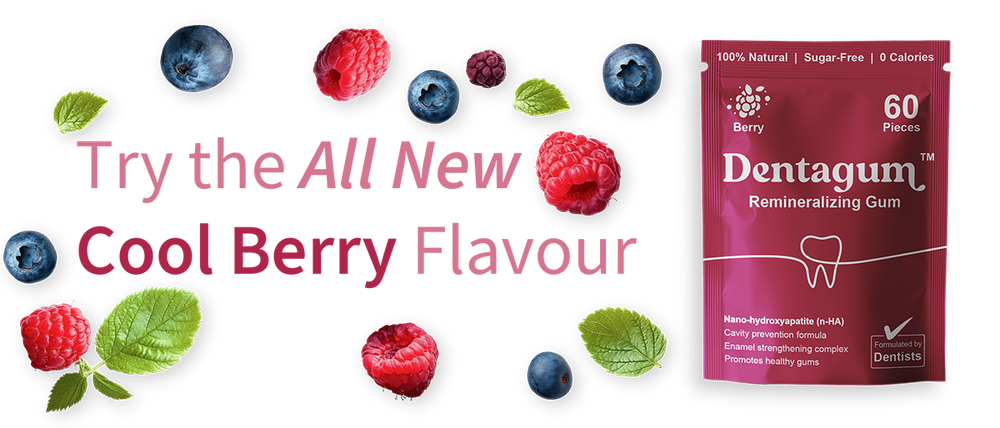
Try Dentagum: Your Post-Workout Oral Recovery HabitResearch Summary
This article draws on sports dentistry literature, enamel erosion research, and oral physiology studies from 1943 to 2026. Key sources include: 2025 PMC systematic review and meta-analysis of oral conditions in elite athletes (44.4% caries, 36.5% erosion, 41.4% gingivitis; studies through January 2025); London 2012 Olympic Games athlete oral health study (55.1% caries, 44.6% erosion, 76% gingivitis); Scientific Reports 2025 cross-sectional study of elite athletes (55.1% periodontal disease, 47.4% caries); Schulze and Busse, Medicina, 2024 (sports diet and athlete oral health comprehensive review; performance impact data); PMC systematic review on sports drink and athlete tooth erosion, 2025 (19.4-100% erosion prevalence; triathlete mouth-breathing study); Preprints systematic review on acidic beverage erosion, 2025 (sports drink pH 3.1-3.5; Gatorade enamel damage in 5 days; gum recommendation); PMC saliva and dental erosion review (salivary flow reduction during exercise; Stephan curve in reduced-salivary conditions; pH recovery 30+ minutes in dehydrated states); Robert Stephan's Stephan curve (1943); British Dental Journal athlete oral health review 2026 (higher caries than general population); Lima 2019 Pan American Games data; Söderling et al., BMC Oral Health, 2025 (xylitol); Limeback, Enax, Meyer, Biomimetics, 2023 (nano-HAp, 44 trials); Paszynska et al., Front Public Health, 2023 (nano-HAp RCT). All Dentagum ingredient statistics are from ingredient-level published research and are not claims about the Dentagum product formula.
References
- Valdivia-Espinoza J et al. Prevalence and Severity of Oral Conditions in Elite Athletes: A Systematic Review and Meta-Analysis. PMC. 2025. PMC12731738. [44.4% caries, 36.5% erosion, 41.4% gingivitis; studies through January 2025]
- Needleman I, Ashley P, Petrie A et al. Oral health and impact on performance of athletes participating in the London 2012 Olympic Games. British Dental Journal. 2013. [55.1% caries, 44.6% erosion, 76% gingivitis, 15% periodontitis]
- Elite athletes' overall oral health, values and related quality of life. Scientific Reports. July 2025. DOI: 10.1038/s41598-025-10479-z. [n=114 elite athletes; 55.1% periodontal disease; 47.4% caries; 51.8% gingivitis]
- Schulze A, Busse M. Sports Diet and Oral Health in Athletes: A Comprehensive Review. Medicina. 2024;60(2):319. DOI: 10.3390/medicina60020319 [Caries 20-84%, erosion 42-59%, gingivitis 58-77%; 5-18% negative performance impact]
- What do we know about elite athlete oral health? British Dental Journal. February 2026. DOI: 10.1038/s41415-025-8909-7. [IOC periodic health evaluation includes oral health; higher caries than comparable general population]
- Erosive Impact of Acidic 'Healthy' Beverages on Dental Enamel: A Systematic Review (2013-2025). Preprints.org. Published May 2025. DOI: 10.20944/preprints202505.1016.v1 [Sports drinks pH 3.1-3.5; Gatorade enamel damage in 5 days; triathlete mouth-breathing study; sugar-free gum recommendation post-acidic drink]
- Cruz-Gonzales et al. Erosive Potential of Sports, Energy Drinks, and Isotonic Solutions on Athletes' Teeth: A Systematic Review. Nutrients. 2025;17:403. [Erosion 19.4-100% in athletic populations; dry mouth + sports drinks as high-risk scenario]
- Mathew et al. Regular consumption of sports drinks associated with dental erosion among Ohio State University athletes. 91.8% consumed sports drinks regularly; erosion prevalence 36.5%; 75.2% enamel erosion.
- Regular Physical Activity and Dental Erosion: A Systematic Review. Applied Sciences. 2022;12(3):1099. [Approximately half of studied athletes manifested dental erosion; sports drink use as primary correlate]
- Saliva and dental erosion. PMC. PMC3881791. [Salivary flow reduced during vigorous exercise; Stephan curve in reduced-flow states; pH recovery delayed in dehydration]
- Oral health problems in high-performance athletes at Lima 2019 Pan American Games. PMC. PMC8206890. [Oral health emergencies 1.14% of 6,680 athletes; 90.8% with pre-existing oral pathology; 34% periodontal, 29% caries]
- Söderling E et al. Specific Effects of Xylitol Chewing Gum on Mutans Streptococci. BMC Oral Health. 2025. [Xylitol reduced S. mutans in 12 of 14 studies]
- Limeback H, Enax J, Meyer F. Clinical Evidence of Biomimetic Hydroxyapatite in Oral Care Products for Reducing Dentin Hypersensitivity. Biomimetics. 2023. PMC9844412. [44 clinical trials; 39.5% dentin hypersensitivity reduction]
- Paszynska E, Pawinska M, Gawriolek M et al. Efficacy and safety of nano-hydroxyapatite toothpaste for caries prevention: 18-month RCT. Front Public Health. 2023. DOI: 10.3389/fpubh.2023.1199728
