

Our Ingredients
A clear and transparent view of every ingredient in the Dentagum chewing experience. What each one is, where it comes from, the research behind it, and why it made the cut.
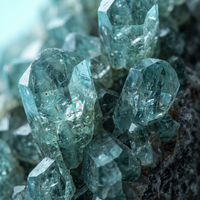
Your enamel is roughly 97% hydroxyapatite. This is the same mineral, engineered to particle sizes small enough to settle into the microscopic gaps where enamel has worn away. The idea began at NASA in the late 1960s, when scientist Bernard Rubin realised the crystals he was growing for electronics formed the same way hydroxyapatite grows in bone and teeth, and patented a method for repairing a tooth by growing those crystals on its surface. Astronaut bone loss in zero gravity was the inspiration. A Japanese company, Sangi, acquired the patent and turned it into the world's first enamel-restoring toothpaste in the 1980s. Japan and other governments now recognise hydroxyapatite as an anticavity agent.
Pharmaceutical grade, third-party tested by Light Labs
The lowdownFluoride works by hardening what is already there. Nano-hydroxyapatite works differently: it is the actual building material, so it deposits into demineralised areas and replaces lost mineral directly. At nano scale it slips below the enamel surface rather than sitting on top of it, delivering calcium and phosphate ions exactly where they have been stripped away. It is biocompatible by design, because your body already made this exact mineral. Chewing spreads it across every surface a brush struggles to reach.
The evidence
FRONTIERS IN PUBLIC HEALTH
Caries-preventing effect of a hydroxyapatite-toothpaste in adults: an 18-month double-blinded randomized clinical trial (2023).
An 18-month randomised controlled trial in adults measuring the caries-preventive effect of hydroxyapatite toothpaste against a fluoride control. nih
JOURNAL OF CLINICAL DENTISTRY
Remineralization of early caries by a nano-hydroxyapatite dentifrice (2011).
In this randomised, double-blind, crossover in situ study, nano-hydroxyapatite produced remineralisation comparable to a fluoride dentifrice and inhibited caries development, leading the authors to conclude it can be an effective alternative to fluoride toothpaste. nih
QUINTESSENCE INTERNATIONAL
Effectiveness of nano-hydroxyapatite toothpaste in reducing dentin hypersensitivity: a double-blind randomized controlled trial (2014).
105 participants were randomised across three groups: 15% nano-hydroxyapatite fluoride-free toothpaste, a fluoride toothpaste, and a placebo, brushing twice daily. Sensitivity values were significantly lower in the nano-hydroxyapatite group than in the fluoride control group. clinicaltrialsnih
CLINICAL ORAL INVESTIGATIONS
Home oral care with biomimetic hydroxyapatite vs. conventional fluoridated toothpaste for the remineralization and desensitizing of white spot lesions (2022).
A randomised clinical trial in which the nano-hydroxyapatite toothpaste outperformed the fluoride comparator on both amount of remineralisation and lesion reduction. nih
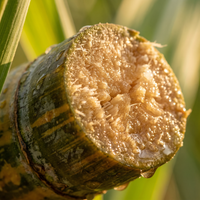
Xylitol is not just a sugar substitute that happens to be harmless to teeth. It actively works against the bacteria that damage them. The proof arrived in the early 1970s with the Turku Sugar Studies in Finland, which found that completely replacing sucrose with xylitol resulted in practically no new decay. That result reset how dentistry thought about sweeteners: instead of asking which sugars do the least harm, researchers started asking which ones actively help.PubMed
Sourced from sugarcane bagasse and corn, never wood pulp
The lowdownDecay bacteria feed on sugar and excrete acid that dissolves enamel. Xylitol looks close enough to sugar that the bacteria take it up, but they cannot ferment it, so it inhibits their growth, metabolism and the sticky polysaccharides they use to build plaque. They effectively starve on it. At the same time, chewing drives saliva flow, and that stimulated saliva is what restores mouth pH and washes bacteria away. Xylitol is chemically identical whatever plant it starts from; anyone charging a premium for birch is selling you a story, not a better molecule.PubMedADA Jada
The evidence
CLINICAL ORAL INVESTIGATIONS
Specific effects of xylitol chewing gum on mutans streptococci levels, plaque accumulation and caries occurrence: a systematic review (2025).
Reviewing 16 studies on bacterial counts, ten on plaque and five on caries, xylitol gum significantly decreased mutans streptococci counts compared with sorbitol gum in 12 of 14 studies, reduced plaque accumulation in 6 of 10, and reduced caries occurrence in 3 of 5 trials.
BMC ORAL HEALTH
Linear response of mutans streptococci to increasing frequency of xylitol chewing gum use: a randomized controlled trial (2006).
132 participants were randomised to xylitol gum or a sorbitol and maltitol placebo, chewing 12 pieces daily over five weeks, to establish how dose frequency affects bacterial reduction in plaque and saliva. nih
ACTA ODONTOLOGICA SCANDINAVICA
Turku Sugar Studies (1970 to 1973).
The landmark Finnish trials that first demonstrated total substitution of sucrose with xylitol resulted in practically no new caries lesions. PubMed
CLINICAL ORAL INVESTIGATIONS
Six months of high-dose xylitol in high-risk caries subjects: a 2-year randomised clinical trial (2013).
204 high-caries-risk schoolchildren were randomised to xylitol or non-xylitol groups, with caries status and salivary bacteria re-evaluated two years later. PubMed
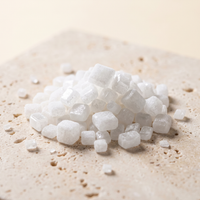
Xylitol gets the headlines, but when researchers put the two head to head over three years, erythritol won. A double-blind randomised trial followed 485 Estonian schoolchildren consuming erythritol, xylitol or sorbitol candies three times daily. In the follow-up examinations, fewer decayed teeth and surfaces were found in the erythritol group than in the xylitol or control groups, and time to the development of caries lesions was longest in the erythritol group. That is why it sits alongside xylitol in our formula rather than being replaced by it.ScienceDirect
Organic, fermented from plant sugars
The lowdownErythritol works on the physical side of the problem. It reduces the weight of dental plaque and the ability of common streptococcal bacteria to stick to tooth surfaces, inhibits the growth and activity of S. mutans, and switches down the bacterial genes involved in sucrose metabolism. Less sticky plaque means less acid sitting against your enamel. It also carries a distinct cooling sensation on the tongue, which is part of why our mint reads as clean rather than sharp. Almost none of it is metabolised by the body, so it contributes no meaningful calories and does not raise blood sugar.Ovid
The evidence
JOURNAL OF DENTISTRY
Effect of three-year consumption of erythritol, xylitol and sorbitol candies on various plaque and salivary caries-related variables (2013).
Three-year consumption of erythritol candies by children aged 7 to 8 at baseline was associated with reduced plaque growth, lower levels of plaque acetic and propionic acid, and reduced oral counts of mutans streptococci compared with xylitol or sorbitol candies. Medscape
CARIES RESEARCH
Long-term effect of erythritol on dental caries development during childhood: a posttreatment survival analysis (2016).
485 children were randomly allocated to erythritol, xylitol or sorbitol groups. A caries-preventive effect of three-year erythritol consumption compared to sorbitol was established, and the effect persisted up to three years after the intervention ended.
JOURNAL OF DENTISTRY
Effect of erythritol and xylitol on dental caries prevention in children (2014).
In this double-blind randomised controlled prospective trial across 485 primary school children, the increase in caries score was lower in the erythritol group than in the other groups. ScienceDirect
CLINICAL REVIEW OF POLYOLS IN ORAL HEALTH
Comparative efficacy of erythritol, xylitol and sorbitol on oral health.
Reviewers concluded that important differences exist between individual polyols, with the evidence demonstrating better efficacy of erythritol compared to sorbitol and xylitol for maintaining and improving oral health. Ovid
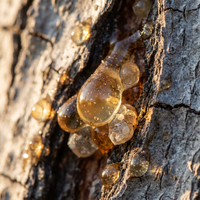
Before chewing gum was a product, it was a tree resin. Herodotus and Dioscorides both recorded mastic being used to clean the teeth. Chewing it stayed popular across the Ottoman Empire through the 18th and 19th centuries, with trade from the island of Chios booming on international demand, and it was noted for promoting oral hygiene and fragrant breath. Two and a half thousand years later, the laboratory caught up with what those cultures had already worked out.nih
Sustainably tapped tree resin
The lowdownMastic is the hardened sap of the Pistacia lentiscus tree, and it is dense with triterpenes and phenolic compounds that behave as natural antibacterials. Instead of blanket-killing everything in your mouth the way a harsh antiseptic rinse does, it works selectively against the bacteria that actually cause problems. In one comparison, people chewing mastic gum showed significantly lower salivary levels of S. mutans than those chewing paraffin, with levels dropping progressively the longer they chewed. It also gives our gum its characteristic firm, satisfying chew, because this is what gum was originally made of.nih
The evidence
ARCHIVES OF ORAL BIOLOGY
In vitro and in vivo antimicrobial effects of mastic chewing gum against Streptococcus mutans and mutans streptococci (2006).
Mastic gum showed significant antibacterial activity against S. mutans and mutans streptococci, with the authors concluding it may be a useful adjunct in the prevention of caries. Stacking Years
JOURNAL OF PERIODONTOLOGY
Effect of mastic chewing gum on plaque deposition and gingival inflammation.
Mastic gum significantly reduced plaque deposition and gingival inflammation compared with placebo chewing gum over a seven-day period, even without additional mechanical oral hygiene. nih
JOURNAL OF DENTISTRY (TEHRAN)
Effects of three mastic gums on the number of mutans streptococci, lactobacilli and pH of the saliva (2014).
Three gums were assessed over three weeks, with all reducing mutans streptococci counts.
ORAL MICROBIOLOGY RESEARCH
Comparative remineralisation of mastic and xylitol chewing gums.
Chios mastic and xylitol gums were compared directly, with both enhancing remineralisation of caries-like lesions to a similar degree.
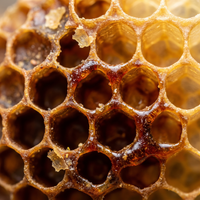
Propolis is what bees make to protect the colony. They gather resin from tree buds and bark, blend it with wax and enzymes, and seal every crack in the hive with it. The result is a substance so effective at suppressing bacteria and fungi that a hive stays sterile despite tens of thousands of bodies packed inside. Humans worked this out early: propolis has been used as a wound dressing and mouth remedy for thousands of years. Modern dentistry now puts it up against chlorhexidine, the strongest antiseptic rinse dentists prescribe, and finds it holds its own.
Contains a bee-derived allergen. Not suitable for those with bee product allergies.
The lowdownPropolis is dense with flavonoids and phenolic acids, which is where its antibacterial and anti-inflammatory activity comes from. In the mouth that translates into two things at once: it suppresses the bacteria that drive plaque, and it calms the inflammatory response in gum tissue that those bacteria provoke. Comparisons with chlorhexidine have found propolis significantly decreases plaque and gingival inflammation, with efficacy in reducing gingival inflammation comparable to chlorhexidine itself. Unlike chlorhexidine, it does not stain teeth or alter taste with long-term use.
The evidence
EUROPEAN JOURNAL OF DENTISTRY
The comparative effect of propolis in two different vehicles; mouthwash and chewing-gum, on plaque accumulation and gingival inflammation (2015).
A randomised, single-blind, crossover study in which participants stopped all oral hygiene for five days and used either propolis chewing gum three times daily after meals or propolis mouthwash, with plaque and gingival measurements taken on day five.
https://pubmed.ncbi.nlm.nih.gov/26038663/
BMC ORAL HEALTH
Efficacy of propolis-based mouthwashes on dental plaque and gingival inflammation: a systematic review (2020).
Nine clinical trials comprising 333 subjects were reviewed, with propolis mouthwashes showing good efficacy on plaque and gingivitis in all of the included studies.
https://www.ncbi.nlm.nih.gov/pmc/articles/PMC7350560/ PubMed
BMC COMPLEMENTARY MEDICINE AND THERAPIES
Comparative effectiveness of propolis with chlorhexidine mouthwash on gingivitis: a randomized controlled clinical study (2024).
A double-masked, randomised crossover trial in 45 subjects with chronic generalised gingivitis, comparing propolis, chlorhexidine and placebo mouthwashes across three 21-day phases.
https://www.ncbi.nlm.nih.gov/pmc/articles/PMC10998313/ ScienceDirect
INTERNATIONAL JOURNAL OF DENTAL HYGIENE
Effect of propolis mouthwash on clinical periodontal parameters in patients with gingivitis: a double-blinded randomized clinical trial (2022).
32 patients with gingivitis received either a propolis-containing mouthwash or the identical mouthwash without propolis, with bleeding, plaque and discolouration measured at 15 and 30 days.
https://onlinelibrary.wiley.com/doi/abs/10.1111/idh.12550 springer
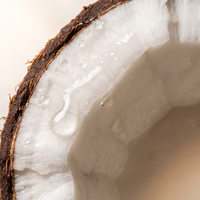
Oil pulling, swishing oil around the mouth to clean it, is an Ayurvedic practice thousands of years old. It sounded like folklore until researchers ran it against chlorhexidine, the strongest antiseptic mouthwash dentists prescribe. In a randomised crossover trial across 29 volunteers using a four-day plaque regrowth model, coconut oil pulling showed similar inhibitory activity on plaque regrowth compared with chlorhexidine, with less staining, and comparable gingival index and bleeding scores. Matching the clinical gold standard while causing less staining is not a small result.
Cold-pressed, food grade
The lowdownWhat makes coconut oil different from other oils is its fatty acid profile. It is roughly 92% saturated fats, and about half of that is lauric acid, which carries both anti-inflammatory effects and substantial antimicrobial activity across a wide range of microorganisms. Lauric acid disrupts the membranes of bacteria including S. mutans. There is also a physical effect: the oil forms a film across tooth surfaces that makes it harder for bacteria to stick and aggregate in the first place. Less adhesion means less plaque. In our formula it does a second job as well, keeping the chew smooth and pliable rather than stiff.
The evidence
COMPLEMENTARY THERAPIES IN MEDICINE
Efficacy of oil pulling therapy with coconut oil on four-day supragingival plaque growth: a randomized crossover clinical trial (2019).
An observer-masked randomised crossover trial in 29 volunteers comparing 0.2% chlorhexidine with coconut oil pulling. Oil pulling showed similar plaque inhibition to chlorhexidine with less staining, and gingival index and bleeding on probing were similar in both groups.
https://www.sciencedirect.com/science/article/abs/pii/S0965229919308799
HELIYON
The effect of oil pulling with coconut oil to improve dental hygiene and oral health: a systematic review (2020).
Randomised controlled trials demonstrated evidence that coconut oil pulling has a significant effect on plaque index score compared to control groups.
https://www.sciencedirect.com/science/article/pii/S2405844020316327
NIGERIAN MEDICAL JOURNAL
Effect of coconut oil in plaque related gingivitis: a preliminary report (2015).
Found coconut oil pulling could serve as an adjuvant procedure in decreasing plaque aggregation and plaque-related gingivitis.
https://www.ncbi.nlm.nih.gov/pmc/articles/PMC4382606/ ScienceDirect
JOURNAL OF CONTEMPORARY DENTAL PRACTICE
Comparison of antibacterial efficacy of coconut oil and chlorhexidine on Streptococcus mutans: an in vivo study (2016).
A direct in vivo comparison of coconut oil against chlorhexidine for antibacterial effect on S. mutans.
https://doi.org/10.5005/jp-journals-10024-1800
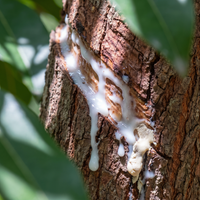
Most chewing gum sold today is built on a synthetic base: polymers from the same family used in plastics and adhesives. That is why gum stuck to a footpath stays there for years. Chicle is the original. It is coagulated latex tapped from the sapodilla tree, native to southern Mexico, Belize and northeastern Guatemala, processed into a chewable substance for centuries by Mesoamerican peoples including the Aztecs, who used it for oral hygiene. The modern industry started with it: in 1869 Thomas Adams boiled, purified and sheeted chicle, mixed in flavourings, and created the first commercial chewing gum in the United States. The industry then walked away from it for cheaper synthetics. We walked back.
Wild harvested by chicleros, certified organic
The lowdownChicle is harvested by skilled workers called chicleros, who cut zigzag channels into the sapodilla bark so the milky latex runs down into a bag at the base of the tree, much like tapping for maple syrup. The tapping does not permanently harm the tree, which heals and regenerates, and a tree typically needs seven to ten years to recover before it is tapped again. The raw latex is then strained and boiled for around two hours until it thickens into a pliable block. That is the entire process. Because it is a tree resin rather than a polymer, it breaks down naturally instead of persisting as plastic waste, and it gives the chew a softer, more yielding character than synthetic bases.
The evidence
ENVIRONMENTAL SCIENCE AND POLLUTION MANAGEMENT
Ingestion of microplastics during chewing gum consumption (2025).
Documents that synthetic gum bases consist mostly of petrochemical products including synthetic rubber, polyvinyl acetate, polyvinyl alcohol, polyisobutylene, polyisoprene and polyethylene, while plant-based gums use polymers derived from plants.
https://www.sciencedirect.com/science/article/pii/S2666911025000243
JOURNAL OF THE MEXICAN CHEMICAL SOCIETY
Chicle gum from sapodilla (Manilkara zapota) as a renewable resource (2018).
Characterises chicle latex from the Great Petén region of the Yucatán peninsula as an underexploited renewable feedstock.
https://www.scielo.org.mx/scielo.php?script=sci_arttext&pid=S1870-249X2018000100007
Chicle is chosen for its origin and biodegradability. These references describe the material, not a product trial.
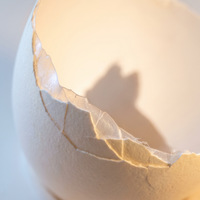
Nature builds shells and teeth from the same toolkit. Eggshell is roughly 94% calcium carbonate, with about 1% calcium phosphate, 1% magnesium carbonate and 4% organic matter, plus trace amounts of strontium, fluoride, manganese, zinc and copper, all of which play a role in bone and tooth metabolism. That mineral profile makes it an unusually bioavailable calcium source, and researchers have demonstrated eggshell powder can generate high-quality hydroxyapatite: literally the mineral your enamel is made of. It works alongside our nano-hydroxyapatite rather than duplicating it, supplying the raw calcium the process draws on.nih
Upcycled from organic egg production. Contains egg, an allergen.
The lowdownEnamel is in constant flux between losing mineral and regaining it. What tips the balance is whether calcium and phosphate are available at the surface when they are needed. Eggshell powder puts them there. Its elevated pH combined with abundant bioavailable calcium favours remineralisation, so it does two jobs at once: it neutralises the acid attacking enamel and it supplies the minerals to rebuild what the acid took. It also carries an environmental logic we like. Eggshell is one of the food industry's largest waste streams, and here it becomes a functional ingredient instead of landfill.nih
The evidence
JOURNAL OF CONSERVATIVE DENTISTRY
Biomimetic remineralisation of enamel and dentin with chicken eggshell slurry: an in vitro study (2024).
Enamel treated with chicken eggshell powder slurry showed a significantly higher percentage recovery of surface microhardness than the percentage decrease, with the authors concluding the elevated pH and bioavailable calcium content favour remineralisation.
https://pmc.ncbi.nlm.nih.gov/articles/PMC12037129/ nih
CONTEMPORARY CLINICAL DENTISTRY
Effect of eggshell powder and nano-hydroxyapatite on the surface roughness and microhardness of bleached enamel.
Evaluated eggshell powder and nano-hydroxyapatite solutions on bleached enamel, noting eggshell powder's efficiency in remineralising the enamel surface as its minerals diffuse into and obstruct surface porosities.
https://www.ovid.com/jnls/cocd/fulltext/10.4103/ccd.ccd_590_21~effect-of-eggshell-powder-and-nano-hydroxyapatite-on-the Pocket Dentistry
PEDIATRIC DENTAL JOURNAL
Potential remineralising effect of cuttlefish bone and eggshell powders on demineralised human enamel: an in vitro study (2024).
Forty extracted premolars were divided across untreated, demineralised, cuttlefish bone and eggshell powder groups to assess capacity to remineralise early demineralised enamel lesions.
https://www.sciencedirect.com/science/article/abs/pii/S0917239424000272
CUREUS
The remineralisation potential of fluoride, casein phosphopeptide-amorphous calcium phosphate, and chicken eggshell on enamel lesions: an in vitro study (2025).
A direct comparison of chicken eggshell against fluoride and CPP-ACP, the two established remineralisation agents in dentistry.
https://www.ncbi.nlm.nih.gov/pmc/articles/PMC11821557/
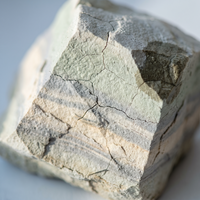
Bentonite forms where volcanic ash settles and weathers over geological time. What is left is montmorillonite, a mineral of extraordinarily fine particles carrying a natural negative charge, alongside calcium, magnesium, silica, potassium and iron. That negative charge is the functional part: positively charged particles are attracted to it and held. In the mouth, that means it binds rather than scrubs, which is why clay earns its place in a formula built around rebuilding enamel rather than wearing it down.
Naturally sourced, food grade
The lowdownTwo properties matter here. First, adsorption: the enormous surface area of montmorillonite particles gives impurities somewhere to bind so they can be cleared rather than left sitting against enamel. Second, alkalinity: the clay is naturally alkaline, so it helps counter the acidity that strips mineral from teeth. It also carries its own mineral payload of calcium, magnesium and silica. It is one of the oldest materials humans have used for cleansing, and its usefulness comes from physics rather than chemistry.
The evidence
INTERNATIONAL GEOLOGY REVIEW
Evaluation of the medicinal use of clay minerals as antibacterial agents (Williams and Haydel, 2010).
Reviews the evidence for the antibacterial activity of clay minerals and the mechanisms proposed to account for it.
https://pmc.ncbi.nlm.nih.gov/articles/PMC3038932/
JOURNAL OF CLINICAL DENTISTRY
Abrasion, polishing, and stain removal characteristics of various commercial dentifrices in vitro (Schemehorn, Moore and Putt, 2011).
Measured abrasion, polishing and stain removal across a range of commercial dentifrice formulations, establishing that cleaning efficiency and abrasivity are not inherently linked.
Bentonite is included for its adsorptive and buffering properties. These references describe the material and its class, not a product trial.
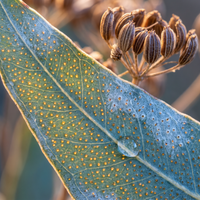
Most gum uses flavouring that does nothing but taste good. Ours is built from three terpenes that carry their own activity: menthone for cooling mint, carvone for the rounder spearmint note, and cineole, better known as eucalyptol, for a sharp clearing finish. These are not novel compounds. Cineole is the reason eucalyptus has been used in mouthwash for over a century, and it is a principal active in Listerine. What is different here is the delivery: chewing releases them steadily across every surface in your mouth rather than for the thirty seconds a rinse lasts.
Naturally derived from plant essential oils
The lowdownTerpenes are hydrophobic, which is what makes them useful against bacteria. They penetrate bacterial cell membranes, disrupt them, and cause the cell contents to leak out. Menthol and eucalyptol are among the essential oil constituents recognised for antibacterial activity against cariogenic bacteria, working by disintegrating the cytoplasmic membrane of S. mutans and causing leakage of cellular content. That is a physical mechanism rather than a chemical one, which is why bacteria do not readily develop resistance to it. The pleasant side effect is that the same molecules doing that work are the ones that make the gum taste clean.
The evidence
ANTIBIOTICS
Inhibitory activity of essential oils of Mentha spicata and Eucalyptus globulus on biofilms of Streptococcus mutans in an in vitro model (2023).
Gas chromatography identified carvone as the dominant compound in spearmint oil at 57.93% and 1,8-cineole (eucalyptol) at 65.83% in eucalyptus oil. Both oils inhibited S. mutans biofilms in a model emulating dental plaque conditions, with measured inhibition halos and minimum inhibitory concentrations reported for each.
https://www.ncbi.nlm.nih.gov/pmc/articles/PMC9952483/
PHARMACEUTICS
Plant-derived substances with antibacterial, antioxidant, and flavoring potential to formulate oral health care products (2021).
Reviews thymol, menthol, eucalyptol and methyl salicylate as essential oil constituents with antibacterial activity against cariogenic bacteria, describing the membrane disruption mechanism responsible.
https://pmc.ncbi.nlm.nih.gov/articles/PMC8615420/
BDJ OPEN
Effect of eucalyptus oil on Streptococcus mutans and Enterococcus faecalis growth (2023).
Evaluated eucalyptus oil's antimicrobial action against S. mutans, noting it can also improve the efficiency of other conjugated antibacterial compounds by allowing greater biofilm penetration.
https://www.nature.com/articles/s41405-023-00154-8
FRONTIERS IN CELLULAR AND INFECTION MICROBIOLOGY
Natural compounds: new therapeutic approach for inhibition of Streptococcus mutans and dental caries (2025).
Reviews natural compounds including menthol with notable antimicrobial properties, describing how they disrupt bacterial membrane integrity, inhibit acid production, and interfere with bacterial adhesion to tooth surfaces.
https://www.ncbi.nlm.nih.gov/pmc/articles/PMC11996897/ nih
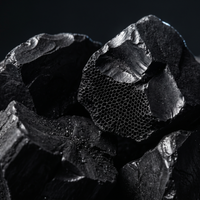
Activated charcoal is one of the most powerful natural adsorbents on earth. A single gram carries an internal surface area measured in hundreds of square metres, all of it covered in binding sites that attract and hold compounds by charge. Chewing is the ideal way to put that to work: saliva carries the charcoal across every tooth surface and into the spaces between them, where it binds the pigment and odour compounds that dull a smile and stale breath. A trace is all it takes, because adsorption is about surface area, not quantity.
Food-grade coconut shell, used in trace amounts
The lowdownThe compounds that make breath smell are volatile sulphur compounds, and the ones that stain teeth are pigment molecules from coffee, tea and red wine. Both are exactly the kind of small, charged molecules activated charcoal is built to capture. It grabs them in the moment, before the sulphur reaches your breath and before the pigment settles into enamel. This is a purely chemical action: charcoal in gum works by attraction, not friction, so it lifts what you want gone while the rest of the formula gets on with rebuilding.
The evidence
JOURNAL OF NEUROGASTROENTEROLOGY AND MOTILITY
Volatile sulfur compounds as a predictor for esophagogastroduodenal mucosal injury (2010).
Volatile sulphur compounds, composed of hydrogen sulfide, methyl mercaptan and dimethyl sulfide, are established as the main factor behind halitosis. nih
ENVIRONMENTAL SCIENCE AND TECHNOLOGY
Adsorption of methyl mercaptan on activated carbons.
Activated carbons of different origins were studied as methyl mercaptan adsorbents, showing relatively high capacities for removal of the compound, with the amount adsorbed depending on the carbon's surface features and porosity.
AGRIS
INDUSTRIAL AND ENGINEERING CHEMISTRY RESEARCH
Effect of surface characteristics on adsorption of methyl mercaptan on activated carbons (Bashkova, Bagreev and Bandosz, 2002).
Activated carbons were evaluated in wet conditions for the role of surface chemistry and porosity in the adsorption of methyl mercaptan, with results showing the amount adsorbed depends on those surface features.
https://pubs.acs.org/doi/10.1021/ie020137t Taylor & Francis Online
Activated charcoal's adsorption of odour compounds is established in chemistry literature. Its inclusion here reflects that mechanism, not a product trial.
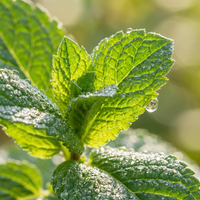
Our terpene blend isolates specific aromatic compounds. Spearmint extract brings the rest of the plant with it. Phytochemical analysis of Mentha spicata has identified 35 chemical constituents spanning phenolic acids, flavonoids and lignans, including rosmarinic acid, a potent polyphenolic antioxidant. That whole-plant complexity is why spearmint has been chewed and brewed for oral freshness for centuries across Ayurvedic and folk traditions, long before anyone could name a single molecule in it.nih
Certified organic leaf extract
The lowdownTwo things are happening. Extracts and essential oils of M. spicata have demonstrated antibacterial, antioxidant and anti-inflammatory activity across studies, so the extract contributes genuine antimicrobial pressure alongside its flavour. And the antioxidant fraction, driven largely by rosmarinic acid and the flavonoid content, works on the oxidative side of oral health that antibacterials do not touch. Carvone is the dominant compound in spearmint oil, which is why this extract and our terpene blend work as a pair rather than a duplication: the extract supplies the full botanical matrix, the blend supplies precision.
The evidence
JOURNAL OF ETHNOPHARMACOLOGY
The traditional uses, phytochemistry and pharmacology of spearmint (Mentha spicata L.): a review (2021).
A review of studies on crude extracts, essential oil and isolated compounds reporting antibacterial, antifungal, antioxidant and anti-inflammatory activity, with phytochemical analysis identifying 35 constituents across phenolic acids, flavonoids and lignans. The authors note that more in vivo studies are needed.
https://pubmed.ncbi.nlm.nih.gov/34087400/ nih
ANTIBIOTICS
Inhibitory activity of essential oils of Mentha spicata and Eucalyptus globulus on biofilms of Streptococcus mutans in an in vitro model (2023).
Spearmint oil inhibited S. mutans biofilms in a model emulating dental plaque conditions, with carvone identified by gas chromatography as its dominant constituent at 57.93%.
https://www.ncbi.nlm.nih.gov/pmc/articles/PMC9952483/
MOLECULES
Mentha spicata essential oil: chemical composition, antioxidant and antibacterial activities against planktonic and biofilm cultures (2019).
63 constituents were identified by GC/MS, with carvone at 40.8% as the main component. The oil showed strong antimicrobial effect across 30 bacterial strains and high antioxidant potency across four separate assays.
https://www.ncbi.nlm.nih.gov/pmc/articles/PMC6332415/
Your enamel is roughly 97% hydroxyapatite. This is the same mineral, engineered to particle sizes small enough to settle into the microscopic gaps where enamel has worn away. The idea began at NASA in the late 1960s, when scientist Bernard Rubin realised the crystals he was growing for electronics formed the same way hydroxyapatite grows in bone and teeth, and patented a method for repairing a tooth by growing those crystals on its surface. Astronaut bone loss in zero gravity was the inspiration. A Japanese company, Sangi, acquired the patent and turned it into the world's first enamel-restoring toothpaste in the 1980s. Japan and other governments now recognise hydroxyapatite as an anticavity agent.
Pharmaceutical grade, third-party tested by Light Labs
The lowdownFluoride works by hardening what is already there. Nano-hydroxyapatite works differently: it is the actual building material, so it deposits into demineralised areas and replaces lost mineral directly. At nano scale it slips below the enamel surface rather than sitting on top of it, delivering calcium and phosphate ions exactly where they have been stripped away. It is biocompatible by design, because your body already made this exact mineral. Chewing spreads it across every surface a brush struggles to reach.
The evidence
FRONTIERS IN PUBLIC HEALTH
Caries-preventing effect of a hydroxyapatite-toothpaste in adults: an 18-month double-blinded randomized clinical trial (2023).
An 18-month randomised controlled trial in adults measuring the caries-preventive effect of hydroxyapatite toothpaste against a fluoride control. nih
JOURNAL OF CLINICAL DENTISTRY
Remineralization of early caries by a nano-hydroxyapatite dentifrice (2011).
In this randomised, double-blind, crossover in situ study, nano-hydroxyapatite produced remineralisation comparable to a fluoride dentifrice and inhibited caries development, leading the authors to conclude it can be an effective alternative to fluoride toothpaste. nih
QUINTESSENCE INTERNATIONAL
Effectiveness of nano-hydroxyapatite toothpaste in reducing dentin hypersensitivity: a double-blind randomized controlled trial (2014).
105 participants were randomised across three groups: 15% nano-hydroxyapatite fluoride-free toothpaste, a fluoride toothpaste, and a placebo, brushing twice daily. Sensitivity values were significantly lower in the nano-hydroxyapatite group than in the fluoride control group. clinicaltrialsnih
CLINICAL ORAL INVESTIGATIONS
Home oral care with biomimetic hydroxyapatite vs. conventional fluoridated toothpaste for the remineralization and desensitizing of white spot lesions (2022).
A randomised clinical trial in which the nano-hydroxyapatite toothpaste outperformed the fluoride comparator on both amount of remineralisation and lesion reduction. nih
Xylitol is not just a sugar substitute that happens to be harmless to teeth. It actively works against the bacteria that damage them. The proof arrived in the early 1970s with the Turku Sugar Studies in Finland, which found that completely replacing sucrose with xylitol resulted in practically no new decay. That result reset how dentistry thought about sweeteners: instead of asking which sugars do the least harm, researchers started asking which ones actively help.PubMed
Sourced from sugarcane bagasse and corn, never wood pulp
The lowdownDecay bacteria feed on sugar and excrete acid that dissolves enamel. Xylitol looks close enough to sugar that the bacteria take it up, but they cannot ferment it, so it inhibits their growth, metabolism and the sticky polysaccharides they use to build plaque. They effectively starve on it. At the same time, chewing drives saliva flow, and that stimulated saliva is what restores mouth pH and washes bacteria away. Xylitol is chemically identical whatever plant it starts from; anyone charging a premium for birch is selling you a story, not a better molecule.PubMedADA Jada
The evidence
CLINICAL ORAL INVESTIGATIONS
Specific effects of xylitol chewing gum on mutans streptococci levels, plaque accumulation and caries occurrence: a systematic review (2025).
Reviewing 16 studies on bacterial counts, ten on plaque and five on caries, xylitol gum significantly decreased mutans streptococci counts compared with sorbitol gum in 12 of 14 studies, reduced plaque accumulation in 6 of 10, and reduced caries occurrence in 3 of 5 trials.
BMC ORAL HEALTH
Linear response of mutans streptococci to increasing frequency of xylitol chewing gum use: a randomized controlled trial (2006).
132 participants were randomised to xylitol gum or a sorbitol and maltitol placebo, chewing 12 pieces daily over five weeks, to establish how dose frequency affects bacterial reduction in plaque and saliva. nih
ACTA ODONTOLOGICA SCANDINAVICA
Turku Sugar Studies (1970 to 1973).
The landmark Finnish trials that first demonstrated total substitution of sucrose with xylitol resulted in practically no new caries lesions. PubMed
CLINICAL ORAL INVESTIGATIONS
Six months of high-dose xylitol in high-risk caries subjects: a 2-year randomised clinical trial (2013).
204 high-caries-risk schoolchildren were randomised to xylitol or non-xylitol groups, with caries status and salivary bacteria re-evaluated two years later. PubMed
Xylitol gets the headlines, but when researchers put the two head to head over three years, erythritol won. A double-blind randomised trial followed 485 Estonian schoolchildren consuming erythritol, xylitol or sorbitol candies three times daily. In the follow-up examinations, fewer decayed teeth and surfaces were found in the erythritol group than in the xylitol or control groups, and time to the development of caries lesions was longest in the erythritol group. That is why it sits alongside xylitol in our formula rather than being replaced by it.ScienceDirect
Organic, fermented from plant sugars
The lowdownErythritol works on the physical side of the problem. It reduces the weight of dental plaque and the ability of common streptococcal bacteria to stick to tooth surfaces, inhibits the growth and activity of S. mutans, and switches down the bacterial genes involved in sucrose metabolism. Less sticky plaque means less acid sitting against your enamel. It also carries a distinct cooling sensation on the tongue, which is part of why our mint reads as clean rather than sharp. Almost none of it is metabolised by the body, so it contributes no meaningful calories and does not raise blood sugar.Ovid
The evidence
JOURNAL OF DENTISTRY
Effect of three-year consumption of erythritol, xylitol and sorbitol candies on various plaque and salivary caries-related variables (2013).
Three-year consumption of erythritol candies by children aged 7 to 8 at baseline was associated with reduced plaque growth, lower levels of plaque acetic and propionic acid, and reduced oral counts of mutans streptococci compared with xylitol or sorbitol candies. Medscape
CARIES RESEARCH
Long-term effect of erythritol on dental caries development during childhood: a posttreatment survival analysis (2016).
485 children were randomly allocated to erythritol, xylitol or sorbitol groups. A caries-preventive effect of three-year erythritol consumption compared to sorbitol was established, and the effect persisted up to three years after the intervention ended.
JOURNAL OF DENTISTRY
Effect of erythritol and xylitol on dental caries prevention in children (2014).
In this double-blind randomised controlled prospective trial across 485 primary school children, the increase in caries score was lower in the erythritol group than in the other groups. ScienceDirect
CLINICAL REVIEW OF POLYOLS IN ORAL HEALTH
Comparative efficacy of erythritol, xylitol and sorbitol on oral health.
Reviewers concluded that important differences exist between individual polyols, with the evidence demonstrating better efficacy of erythritol compared to sorbitol and xylitol for maintaining and improving oral health. Ovid
Before chewing gum was a product, it was a tree resin. Herodotus and Dioscorides both recorded mastic being used to clean the teeth. Chewing it stayed popular across the Ottoman Empire through the 18th and 19th centuries, with trade from the island of Chios booming on international demand, and it was noted for promoting oral hygiene and fragrant breath. Two and a half thousand years later, the laboratory caught up with what those cultures had already worked out.nih
Sustainably tapped tree resin
The lowdownMastic is the hardened sap of the Pistacia lentiscus tree, and it is dense with triterpenes and phenolic compounds that behave as natural antibacterials. Instead of blanket-killing everything in your mouth the way a harsh antiseptic rinse does, it works selectively against the bacteria that actually cause problems. In one comparison, people chewing mastic gum showed significantly lower salivary levels of S. mutans than those chewing paraffin, with levels dropping progressively the longer they chewed. It also gives our gum its characteristic firm, satisfying chew, because this is what gum was originally made of.nih
The evidence
ARCHIVES OF ORAL BIOLOGY
In vitro and in vivo antimicrobial effects of mastic chewing gum against Streptococcus mutans and mutans streptococci (2006).
Mastic gum showed significant antibacterial activity against S. mutans and mutans streptococci, with the authors concluding it may be a useful adjunct in the prevention of caries. Stacking Years
JOURNAL OF PERIODONTOLOGY
Effect of mastic chewing gum on plaque deposition and gingival inflammation.
Mastic gum significantly reduced plaque deposition and gingival inflammation compared with placebo chewing gum over a seven-day period, even without additional mechanical oral hygiene. nih
JOURNAL OF DENTISTRY (TEHRAN)
Effects of three mastic gums on the number of mutans streptococci, lactobacilli and pH of the saliva (2014).
Three gums were assessed over three weeks, with all reducing mutans streptococci counts.
ORAL MICROBIOLOGY RESEARCH
Comparative remineralisation of mastic and xylitol chewing gums.
Chios mastic and xylitol gums were compared directly, with both enhancing remineralisation of caries-like lesions to a similar degree.
Propolis is what bees make to protect the colony. They gather resin from tree buds and bark, blend it with wax and enzymes, and seal every crack in the hive with it. The result is a substance so effective at suppressing bacteria and fungi that a hive stays sterile despite tens of thousands of bodies packed inside. Humans worked this out early: propolis has been used as a wound dressing and mouth remedy for thousands of years. Modern dentistry now puts it up against chlorhexidine, the strongest antiseptic rinse dentists prescribe, and finds it holds its own.
Contains a bee-derived allergen. Not suitable for those with bee product allergies.
The lowdownPropolis is dense with flavonoids and phenolic acids, which is where its antibacterial and anti-inflammatory activity comes from. In the mouth that translates into two things at once: it suppresses the bacteria that drive plaque, and it calms the inflammatory response in gum tissue that those bacteria provoke. Comparisons with chlorhexidine have found propolis significantly decreases plaque and gingival inflammation, with efficacy in reducing gingival inflammation comparable to chlorhexidine itself. Unlike chlorhexidine, it does not stain teeth or alter taste with long-term use.
The evidence
EUROPEAN JOURNAL OF DENTISTRY
The comparative effect of propolis in two different vehicles; mouthwash and chewing-gum, on plaque accumulation and gingival inflammation (2015).
A randomised, single-blind, crossover study in which participants stopped all oral hygiene for five days and used either propolis chewing gum three times daily after meals or propolis mouthwash, with plaque and gingival measurements taken on day five.
https://pubmed.ncbi.nlm.nih.gov/26038663/
BMC ORAL HEALTH
Efficacy of propolis-based mouthwashes on dental plaque and gingival inflammation: a systematic review (2020).
Nine clinical trials comprising 333 subjects were reviewed, with propolis mouthwashes showing good efficacy on plaque and gingivitis in all of the included studies.
https://www.ncbi.nlm.nih.gov/pmc/articles/PMC7350560/ PubMed
BMC COMPLEMENTARY MEDICINE AND THERAPIES
Comparative effectiveness of propolis with chlorhexidine mouthwash on gingivitis: a randomized controlled clinical study (2024).
A double-masked, randomised crossover trial in 45 subjects with chronic generalised gingivitis, comparing propolis, chlorhexidine and placebo mouthwashes across three 21-day phases.
https://www.ncbi.nlm.nih.gov/pmc/articles/PMC10998313/ ScienceDirect
INTERNATIONAL JOURNAL OF DENTAL HYGIENE
Effect of propolis mouthwash on clinical periodontal parameters in patients with gingivitis: a double-blinded randomized clinical trial (2022).
32 patients with gingivitis received either a propolis-containing mouthwash or the identical mouthwash without propolis, with bleeding, plaque and discolouration measured at 15 and 30 days.
https://onlinelibrary.wiley.com/doi/abs/10.1111/idh.12550 springer
Oil pulling, swishing oil around the mouth to clean it, is an Ayurvedic practice thousands of years old. It sounded like folklore until researchers ran it against chlorhexidine, the strongest antiseptic mouthwash dentists prescribe. In a randomised crossover trial across 29 volunteers using a four-day plaque regrowth model, coconut oil pulling showed similar inhibitory activity on plaque regrowth compared with chlorhexidine, with less staining, and comparable gingival index and bleeding scores. Matching the clinical gold standard while causing less staining is not a small result.
Cold-pressed, food grade
The lowdownWhat makes coconut oil different from other oils is its fatty acid profile. It is roughly 92% saturated fats, and about half of that is lauric acid, which carries both anti-inflammatory effects and substantial antimicrobial activity across a wide range of microorganisms. Lauric acid disrupts the membranes of bacteria including S. mutans. There is also a physical effect: the oil forms a film across tooth surfaces that makes it harder for bacteria to stick and aggregate in the first place. Less adhesion means less plaque. In our formula it does a second job as well, keeping the chew smooth and pliable rather than stiff.
The evidence
COMPLEMENTARY THERAPIES IN MEDICINE
Efficacy of oil pulling therapy with coconut oil on four-day supragingival plaque growth: a randomized crossover clinical trial (2019).
An observer-masked randomised crossover trial in 29 volunteers comparing 0.2% chlorhexidine with coconut oil pulling. Oil pulling showed similar plaque inhibition to chlorhexidine with less staining, and gingival index and bleeding on probing were similar in both groups.
https://www.sciencedirect.com/science/article/abs/pii/S0965229919308799
HELIYON
The effect of oil pulling with coconut oil to improve dental hygiene and oral health: a systematic review (2020).
Randomised controlled trials demonstrated evidence that coconut oil pulling has a significant effect on plaque index score compared to control groups.
https://www.sciencedirect.com/science/article/pii/S2405844020316327
NIGERIAN MEDICAL JOURNAL
Effect of coconut oil in plaque related gingivitis: a preliminary report (2015).
Found coconut oil pulling could serve as an adjuvant procedure in decreasing plaque aggregation and plaque-related gingivitis.
https://www.ncbi.nlm.nih.gov/pmc/articles/PMC4382606/ ScienceDirect
JOURNAL OF CONTEMPORARY DENTAL PRACTICE
Comparison of antibacterial efficacy of coconut oil and chlorhexidine on Streptococcus mutans: an in vivo study (2016).
A direct in vivo comparison of coconut oil against chlorhexidine for antibacterial effect on S. mutans.
https://doi.org/10.5005/jp-journals-10024-1800
Most chewing gum sold today is built on a synthetic base: polymers from the same family used in plastics and adhesives. That is why gum stuck to a footpath stays there for years. Chicle is the original. It is coagulated latex tapped from the sapodilla tree, native to southern Mexico, Belize and northeastern Guatemala, processed into a chewable substance for centuries by Mesoamerican peoples including the Aztecs, who used it for oral hygiene. The modern industry started with it: in 1869 Thomas Adams boiled, purified and sheeted chicle, mixed in flavourings, and created the first commercial chewing gum in the United States. The industry then walked away from it for cheaper synthetics. We walked back.
Wild harvested by chicleros, certified organic
The lowdownChicle is harvested by skilled workers called chicleros, who cut zigzag channels into the sapodilla bark so the milky latex runs down into a bag at the base of the tree, much like tapping for maple syrup. The tapping does not permanently harm the tree, which heals and regenerates, and a tree typically needs seven to ten years to recover before it is tapped again. The raw latex is then strained and boiled for around two hours until it thickens into a pliable block. That is the entire process. Because it is a tree resin rather than a polymer, it breaks down naturally instead of persisting as plastic waste, and it gives the chew a softer, more yielding character than synthetic bases.
The evidence
ENVIRONMENTAL SCIENCE AND POLLUTION MANAGEMENT
Ingestion of microplastics during chewing gum consumption (2025).
Documents that synthetic gum bases consist mostly of petrochemical products including synthetic rubber, polyvinyl acetate, polyvinyl alcohol, polyisobutylene, polyisoprene and polyethylene, while plant-based gums use polymers derived from plants.
https://www.sciencedirect.com/science/article/pii/S2666911025000243
JOURNAL OF THE MEXICAN CHEMICAL SOCIETY
Chicle gum from sapodilla (Manilkara zapota) as a renewable resource (2018).
Characterises chicle latex from the Great Petén region of the Yucatán peninsula as an underexploited renewable feedstock.
https://www.scielo.org.mx/scielo.php?script=sci_arttext&pid=S1870-249X2018000100007
Chicle is chosen for its origin and biodegradability. These references describe the material, not a product trial.
Nature builds shells and teeth from the same toolkit. Eggshell is roughly 94% calcium carbonate, with about 1% calcium phosphate, 1% magnesium carbonate and 4% organic matter, plus trace amounts of strontium, fluoride, manganese, zinc and copper, all of which play a role in bone and tooth metabolism. That mineral profile makes it an unusually bioavailable calcium source, and researchers have demonstrated eggshell powder can generate high-quality hydroxyapatite: literally the mineral your enamel is made of. It works alongside our nano-hydroxyapatite rather than duplicating it, supplying the raw calcium the process draws on.nih
Upcycled from organic egg production. Contains egg, an allergen.
The lowdownEnamel is in constant flux between losing mineral and regaining it. What tips the balance is whether calcium and phosphate are available at the surface when they are needed. Eggshell powder puts them there. Its elevated pH combined with abundant bioavailable calcium favours remineralisation, so it does two jobs at once: it neutralises the acid attacking enamel and it supplies the minerals to rebuild what the acid took. It also carries an environmental logic we like. Eggshell is one of the food industry's largest waste streams, and here it becomes a functional ingredient instead of landfill.nih
The evidence
JOURNAL OF CONSERVATIVE DENTISTRY
Biomimetic remineralisation of enamel and dentin with chicken eggshell slurry: an in vitro study (2024).
Enamel treated with chicken eggshell powder slurry showed a significantly higher percentage recovery of surface microhardness than the percentage decrease, with the authors concluding the elevated pH and bioavailable calcium content favour remineralisation.
https://pmc.ncbi.nlm.nih.gov/articles/PMC12037129/ nih
CONTEMPORARY CLINICAL DENTISTRY
Effect of eggshell powder and nano-hydroxyapatite on the surface roughness and microhardness of bleached enamel.
Evaluated eggshell powder and nano-hydroxyapatite solutions on bleached enamel, noting eggshell powder's efficiency in remineralising the enamel surface as its minerals diffuse into and obstruct surface porosities.
https://www.ovid.com/jnls/cocd/fulltext/10.4103/ccd.ccd_590_21~effect-of-eggshell-powder-and-nano-hydroxyapatite-on-the Pocket Dentistry
PEDIATRIC DENTAL JOURNAL
Potential remineralising effect of cuttlefish bone and eggshell powders on demineralised human enamel: an in vitro study (2024).
Forty extracted premolars were divided across untreated, demineralised, cuttlefish bone and eggshell powder groups to assess capacity to remineralise early demineralised enamel lesions.
https://www.sciencedirect.com/science/article/abs/pii/S0917239424000272
CUREUS
The remineralisation potential of fluoride, casein phosphopeptide-amorphous calcium phosphate, and chicken eggshell on enamel lesions: an in vitro study (2025).
A direct comparison of chicken eggshell against fluoride and CPP-ACP, the two established remineralisation agents in dentistry.
https://www.ncbi.nlm.nih.gov/pmc/articles/PMC11821557/
Bentonite forms where volcanic ash settles and weathers over geological time. What is left is montmorillonite, a mineral of extraordinarily fine particles carrying a natural negative charge, alongside calcium, magnesium, silica, potassium and iron. That negative charge is the functional part: positively charged particles are attracted to it and held. In the mouth, that means it binds rather than scrubs, which is why clay earns its place in a formula built around rebuilding enamel rather than wearing it down.
Naturally sourced, food grade
The lowdownTwo properties matter here. First, adsorption: the enormous surface area of montmorillonite particles gives impurities somewhere to bind so they can be cleared rather than left sitting against enamel. Second, alkalinity: the clay is naturally alkaline, so it helps counter the acidity that strips mineral from teeth. It also carries its own mineral payload of calcium, magnesium and silica. It is one of the oldest materials humans have used for cleansing, and its usefulness comes from physics rather than chemistry.
The evidence
INTERNATIONAL GEOLOGY REVIEW
Evaluation of the medicinal use of clay minerals as antibacterial agents (Williams and Haydel, 2010).
Reviews the evidence for the antibacterial activity of clay minerals and the mechanisms proposed to account for it.
https://pmc.ncbi.nlm.nih.gov/articles/PMC3038932/
JOURNAL OF CLINICAL DENTISTRY
Abrasion, polishing, and stain removal characteristics of various commercial dentifrices in vitro (Schemehorn, Moore and Putt, 2011).
Measured abrasion, polishing and stain removal across a range of commercial dentifrice formulations, establishing that cleaning efficiency and abrasivity are not inherently linked.
Bentonite is included for its adsorptive and buffering properties. These references describe the material and its class, not a product trial.
Most gum uses flavouring that does nothing but taste good. Ours is built from three terpenes that carry their own activity: menthone for cooling mint, carvone for the rounder spearmint note, and cineole, better known as eucalyptol, for a sharp clearing finish. These are not novel compounds. Cineole is the reason eucalyptus has been used in mouthwash for over a century, and it is a principal active in Listerine. What is different here is the delivery: chewing releases them steadily across every surface in your mouth rather than for the thirty seconds a rinse lasts.
Naturally derived from plant essential oils
The lowdownTerpenes are hydrophobic, which is what makes them useful against bacteria. They penetrate bacterial cell membranes, disrupt them, and cause the cell contents to leak out. Menthol and eucalyptol are among the essential oil constituents recognised for antibacterial activity against cariogenic bacteria, working by disintegrating the cytoplasmic membrane of S. mutans and causing leakage of cellular content. That is a physical mechanism rather than a chemical one, which is why bacteria do not readily develop resistance to it. The pleasant side effect is that the same molecules doing that work are the ones that make the gum taste clean.
The evidence
ANTIBIOTICS
Inhibitory activity of essential oils of Mentha spicata and Eucalyptus globulus on biofilms of Streptococcus mutans in an in vitro model (2023).
Gas chromatography identified carvone as the dominant compound in spearmint oil at 57.93% and 1,8-cineole (eucalyptol) at 65.83% in eucalyptus oil. Both oils inhibited S. mutans biofilms in a model emulating dental plaque conditions, with measured inhibition halos and minimum inhibitory concentrations reported for each.
https://www.ncbi.nlm.nih.gov/pmc/articles/PMC9952483/
PHARMACEUTICS
Plant-derived substances with antibacterial, antioxidant, and flavoring potential to formulate oral health care products (2021).
Reviews thymol, menthol, eucalyptol and methyl salicylate as essential oil constituents with antibacterial activity against cariogenic bacteria, describing the membrane disruption mechanism responsible.
https://pmc.ncbi.nlm.nih.gov/articles/PMC8615420/
BDJ OPEN
Effect of eucalyptus oil on Streptococcus mutans and Enterococcus faecalis growth (2023).
Evaluated eucalyptus oil's antimicrobial action against S. mutans, noting it can also improve the efficiency of other conjugated antibacterial compounds by allowing greater biofilm penetration.
https://www.nature.com/articles/s41405-023-00154-8
FRONTIERS IN CELLULAR AND INFECTION MICROBIOLOGY
Natural compounds: new therapeutic approach for inhibition of Streptococcus mutans and dental caries (2025).
Reviews natural compounds including menthol with notable antimicrobial properties, describing how they disrupt bacterial membrane integrity, inhibit acid production, and interfere with bacterial adhesion to tooth surfaces.
https://www.ncbi.nlm.nih.gov/pmc/articles/PMC11996897/ nih
Activated charcoal is one of the most powerful natural adsorbents on earth. A single gram carries an internal surface area measured in hundreds of square metres, all of it covered in binding sites that attract and hold compounds by charge. Chewing is the ideal way to put that to work: saliva carries the charcoal across every tooth surface and into the spaces between them, where it binds the pigment and odour compounds that dull a smile and stale breath. A trace is all it takes, because adsorption is about surface area, not quantity.
Food-grade coconut shell, used in trace amounts
The lowdownThe compounds that make breath smell are volatile sulphur compounds, and the ones that stain teeth are pigment molecules from coffee, tea and red wine. Both are exactly the kind of small, charged molecules activated charcoal is built to capture. It grabs them in the moment, before the sulphur reaches your breath and before the pigment settles into enamel. This is a purely chemical action: charcoal in gum works by attraction, not friction, so it lifts what you want gone while the rest of the formula gets on with rebuilding.
The evidence
JOURNAL OF NEUROGASTROENTEROLOGY AND MOTILITY
Volatile sulfur compounds as a predictor for esophagogastroduodenal mucosal injury (2010).
Volatile sulphur compounds, composed of hydrogen sulfide, methyl mercaptan and dimethyl sulfide, are established as the main factor behind halitosis. nih
ENVIRONMENTAL SCIENCE AND TECHNOLOGY
Adsorption of methyl mercaptan on activated carbons.
Activated carbons of different origins were studied as methyl mercaptan adsorbents, showing relatively high capacities for removal of the compound, with the amount adsorbed depending on the carbon's surface features and porosity.
AGRIS
INDUSTRIAL AND ENGINEERING CHEMISTRY RESEARCH
Effect of surface characteristics on adsorption of methyl mercaptan on activated carbons (Bashkova, Bagreev and Bandosz, 2002).
Activated carbons were evaluated in wet conditions for the role of surface chemistry and porosity in the adsorption of methyl mercaptan, with results showing the amount adsorbed depends on those surface features.
https://pubs.acs.org/doi/10.1021/ie020137t Taylor & Francis Online
Activated charcoal's adsorption of odour compounds is established in chemistry literature. Its inclusion here reflects that mechanism, not a product trial.
Our terpene blend isolates specific aromatic compounds. Spearmint extract brings the rest of the plant with it. Phytochemical analysis of Mentha spicata has identified 35 chemical constituents spanning phenolic acids, flavonoids and lignans, including rosmarinic acid, a potent polyphenolic antioxidant. That whole-plant complexity is why spearmint has been chewed and brewed for oral freshness for centuries across Ayurvedic and folk traditions, long before anyone could name a single molecule in it.nih
Certified organic leaf extract
The lowdownTwo things are happening. Extracts and essential oils of M. spicata have demonstrated antibacterial, antioxidant and anti-inflammatory activity across studies, so the extract contributes genuine antimicrobial pressure alongside its flavour. And the antioxidant fraction, driven largely by rosmarinic acid and the flavonoid content, works on the oxidative side of oral health that antibacterials do not touch. Carvone is the dominant compound in spearmint oil, which is why this extract and our terpene blend work as a pair rather than a duplication: the extract supplies the full botanical matrix, the blend supplies precision.
The evidence
JOURNAL OF ETHNOPHARMACOLOGY
The traditional uses, phytochemistry and pharmacology of spearmint (Mentha spicata L.): a review (2021).
A review of studies on crude extracts, essential oil and isolated compounds reporting antibacterial, antifungal, antioxidant and anti-inflammatory activity, with phytochemical analysis identifying 35 constituents across phenolic acids, flavonoids and lignans. The authors note that more in vivo studies are needed.
https://pubmed.ncbi.nlm.nih.gov/34087400/ nih
ANTIBIOTICS
Inhibitory activity of essential oils of Mentha spicata and Eucalyptus globulus on biofilms of Streptococcus mutans in an in vitro model (2023).
Spearmint oil inhibited S. mutans biofilms in a model emulating dental plaque conditions, with carvone identified by gas chromatography as its dominant constituent at 57.93%.
https://www.ncbi.nlm.nih.gov/pmc/articles/PMC9952483/
MOLECULES
Mentha spicata essential oil: chemical composition, antioxidant and antibacterial activities against planktonic and biofilm cultures (2019).
63 constituents were identified by GC/MS, with carvone at 40.8% as the main component. The oil showed strong antimicrobial effect across 30 bacterial strains and high antioxidant potency across four separate assays.
https://www.ncbi.nlm.nih.gov/pmc/articles/PMC6332415/