
Can Chewing Gum Help with Bad Breath? Let's Get Into the Root Cause
Most chewing gum masks bad breath for 10 to 20 minutes before it returns. That's because most gum doesn't address the actual cause: the anaerobic bacteria in your mouth producing sulfur compounds. Here's what halitosis actually is, why it keeps coming back, and what a well-formulated gum can do that a mint cannot.

Yes, chewing gum can help with bad breath, but only if it contains the right ingredients. Most commercial gum masks bad breath through flavoring that fades in 10 to 20 minutes, leaving the underlying cause entirely unchanged. Bad breath is caused by anaerobic bacteria in the mouth producing volatile sulfur compounds (VSCs), particularly hydrogen sulfide and methyl mercaptan. A gum with xylitol, mastic gum, and propolis actively reduces the populations of these VSC-producing bacteria rather than simply covering their output. Chewing also stimulates saliva, which washes bacteria from oral surfaces and dilutes VSC concentration. The combination of active antibacterial ingredients and saliva stimulation is what separates a gum that genuinely helps with bad breath from one that just temporarily smells minty.
You pop a piece of gum before a meeting or after lunch and your breath smells fine for ten minutes. Then twenty. Then the flavor fades, and you reach for another piece. This is the experience most people have with gum and bad breath: temporary relief, not resolution. It's frustrating, and it makes complete sense once you understand what's actually happening in your mouth.
Bad breath, clinically called halitosis, is not primarily a cleanliness problem. You can brush your teeth, use mouthwash, and still have bad breath within an hour because the cause isn't dirty teeth. It's a specific population of anaerobic bacteria living in your mouth, producing gases that smell terrible as a byproduct of their metabolism. Until something addresses those bacteria, the smell returns as soon as the flavoring fades.
What Actually Causes Bad Breath

The clinical explanation is specific and well-established. A 2025 review published in the International Journal of Applied Dental Sciences confirmed that halitosis affects more than 50% of the global population, with 80 to 90% of cases being intraoral in origin (coming from inside the mouth rather than from systemic conditions). The primary compounds responsible are volatile sulfur compounds, particularly hydrogen sulfide (H2S) and methyl mercaptan, produced by the putrefactive activity of anaerobic bacteria on proteins and peptides in the oral environment.
The specific bacteria most associated with halitosis are gram-negative anaerobes: Porphyromonas gingivalis, Fusobacterium nucleatum, Prevotella intermedia, Tannerella forsythia, and Veillonella species, among others. A 2023 study published in Scientific Reports using gas chromatography confirmed that mask-wearing increased VSC levels specifically by increasing the populations of these gram-negative anaerobes in a moist, low-oxygen environment. These bacteria are the same species implicated in periodontal disease, which is why bad breath and gum disease so often coincide.
Volatile sulfur compounds are sulfur-containing gases produced when anaerobic bacteria break down proteins containing cysteine and methionine. Hydrogen sulfide (H2S) smells like rotten eggs. Methyl mercaptan smells like rotting cabbage. Dimethyl sulfide contributes a decaying-organic odor. Even at very low concentrations, these compounds register as intensely unpleasant to the human nose, which evolved specifically to detect them as a signal of decay and infection. A PMC review on oral halitosis noted that VSCs can be toxic to human cells even at the low concentrations produced in the mouth, which is part of why they're associated with tissue inflammation alongside their odor effects.
The tongue dorsum (the upper surface of the tongue) is the primary reservoir for VSC-producing bacteria in most people. The rough, papillated surface of the tongue creates protected grooves where anaerobic bacteria can accumulate, and the coating that develops contains significant concentrations of the gram-negative species that produce sulfur compounds. This is why tongue scraping reduces VSC levels by 30 to 75% according to a clinical review cited by Bristle Health, and why brushing teeth alone doesn't resolve bad breath for many people.
Why Most Gum Only Masks Bad Breath
The reason conventional gum provides temporary relief and nothing more is simple: the mechanism is sensory, not bacteriological.
Mint, spearmint, peppermint, and other flavoring compounds create a strong, clean scent in the mouth that temporarily overwhelms the sulfur odors from VSCs. While the flavoring lasts, the breath smells fine. When the flavoring is exhausted, the VSC-producing bacteria have continued their activity throughout, the sulfur compounds have continued accumulating, and the smell returns to where it was or worse. Nothing has changed in the bacterial environment.
Gum containing sugar actively feeds the oral bacteria that produce VSCs. The bacteria metabolize the sugar and proliferate. After the mint flavor fades from a sugary gum, the bacterial population is larger than it was before, meaning VSC production is higher. The 10 minutes of fresh smell that sugary gum provides comes at the cost of increased bacterial activity immediately afterward. For bad breath specifically, sugary gum is worse than nothing as a sustained approach.
Sorbitol-based sugar-free gum is a step up: it doesn't feed VSC-producing bacteria, and the chewing action stimulates saliva that helps wash bacteria from oral surfaces. But sorbitol provides no active antibacterial benefit of its own. It avoids making things worse while providing the mechanical benefit of saliva stimulation. For someone with a moderate VSC-producing bacterial load, that saliva stimulation helps noticeably. For someone with a high bacterial load, especially concentrated on the tongue dorsum, it's insufficient.
What Saliva Stimulation Does for Bad Breath
The first and most universally agreed-upon mechanism by which any chewing gum helps with bad breath is saliva stimulation. The ADA confirms that chewing stimulates salivary flow to 10 to 12 times the resting rate. That surge of saliva does two things that are directly relevant to bad breath.
Physically, saliva washes bacteria from oral surfaces. The gram-negative anaerobes that produce VSCs are most dangerous when they're in protected biofilm communities where they can accumulate in low-oxygen conditions. Saliva physically disrupts and washes away planktonic (free-floating) bacteria and fresh biofilm before it can establish in tongue crevices and other protected areas. This is also why dry mouth is one of the most significant drivers of bad breath: without adequate salivary washing, anaerobic bacteria proliferate in the dry, oxygen-poor environment.
Chemically, saliva contains antimicrobial proteins including lactoferrin, lysozyme, and secretory IgA, which have documented inhibitory effects on many of the gram-negative bacteria responsible for VSC production. These proteins are among the reasons a well-hydrated, well-salivated person has naturally lower VSC levels than someone with reduced salivary function.
If bad breath is worse in the morning, after alcohol consumption, or during periods of dehydration, the dry mouth connection is almost certainly part of the cause. Our article on The Best Chewing Gum for Dry Mouth covers the clinical evidence on dry mouth and oral bacteria in full detail.
How Xylitol Addresses the Bacterial Root Cause
Xylitol's mechanism against S. mutans, the primary cavity-causing bacterium, is well established. What's less commonly known is that xylitol also reduces the periodontopathic bacteria that overlap significantly with the VSC-producing species responsible for halitosis.
A 2022 microbiome investigation published in Frontiers in Nutrition (Wu et al., Taipei Medical University) studied 24 young adults who chewed xylitol gum providing 6.2g xylitol per day for two weeks, using full-length 16S rDNA sequencing to analyze the oral microbiome before and after. The results showed a 20% reduction in dental plaque accumulation (p less than 0.05) and a significant reduction in both cariogenic and periodontopathic bacteria. The periodontopathic bacteria reduced by xylitol include Fusobacterium species, Prevotella species, and Porphyromonas species. These are precisely the gram-negative anaerobes most responsible for VSC production and halitosis.
Reducing the population of VSC-producing bacteria through consistent xylitol use doesn't just mask bad breath. It reduces the bacterial capacity to produce sulfur compounds in the first place. This effect accumulates with continued use, which is why consistent daily xylitol gum use produces a meaningfully different outcome from occasional use for fresh breath purposes.
Why Mastic Gum Is Particularly Relevant for Bad Breath
Mastic gum's role in bad breath is the least-known and most directly relevant ingredient-level finding in this space.
A 2023 state-of-the-art review published in the Journal of Natural Medicine, covering 14 clinical studies on Pistacia lentiscus and oral health, confirmed that mastic gum displays antibacterial properties against a range of oral pathogens. A clinical study on mastic extract found significantly higher inhibition of P. gingivalis, F. nucleatum, P. intermedia, and other bacteria compared with 3% hydrogen peroxide (p less than or equal to 0.016).
Those bacteria, P. gingivalis and F. nucleatum specifically, are two of the three primary VSC producers identified consistently across halitosis research. A gum base made from mastic gum is in sustained direct contact with oral tissue, the tongue, and the biofilm-rich environments where these bacteria colonize throughout the entire chewing session. The antibacterial activity of the mastic base is working continuously against the specific organisms responsible for producing hydrogen sulfide and methyl mercaptan during that contact period.
This is why the gum base material matters for bad breath specifically, in a way that's almost never discussed in popular oral health content. Synthetic gum bases (polyvinyl acetate, polyisobutylene) hold the formula together and have no biological activity against VSC-producing bacteria. A mastic gum base holds the formula together and actively inhibits the bacteria that cause the smell.
The Dry Mouth and Bad Breath Connection
Dry mouth and bad breath are so consistently associated that reduced salivary flow is considered a primary independent risk factor for halitosis. The clinical logic is direct: saliva physically washes bacteria from oral surfaces, delivers antimicrobial proteins that inhibit anaerobic bacteria, and maintains a pH environment less favorable to gram-negative species. Remove the saliva, and the anaerobic bacteria that produce VSCs proliferate in a newly hospitable environment.
Morning breath is the clearest illustration of this. Overnight, salivary flow drops to near zero. The anaerobic bacteria on the tongue dorsum and in periodontal pockets operate without the constant washing and antimicrobial action of saliva for seven or eight hours. VSC concentrations peak. The first thing many people notice on waking is bad breath that clears significantly within 30 to 60 minutes once saliva flow resumes with morning activity and food intake.
People who mouth breathe during sleep have notably worse morning breath than nasal breathers because the constant airflow actively evaporates the thin saliva film on oral surfaces throughout the night, creating an even drier, more anaerobe-friendly environment. Our article on What Mouth Breathing Is Doing to Your Oral Health covers this connection in full.
A clinical review cited by Bristle Health found that tongue cleaning reduces VSC levels by 30 to 75% depending on the device used. However, the same research found that VSC levels returned to pre-cleaning levels within 30 minutes after cleaning stopped. This illustrates why reducing the bacterial population rather than periodically removing its surface output is the more durable approach. Tongue cleaning is valuable as part of a daily routine; combined with antibacterial gum ingredients throughout the day, the bacterial load stays lower rather than just being periodically disrupted.
When Gum Isn't Enough for Bad Breath
Honesty matters here. Chewing gum, even the best-formulated antibacterial gum, addresses the bacterial component of halitosis. It doesn't address every possible cause, and knowing the limits is as important as knowing what it helps with.
Persistent bad breath despite good oral hygiene and antibacterial habits can indicate gum disease requiring professional treatment. Periodontal pockets create anaerobic environments below the gumline where bacteria accumulate well beyond the reach of any topical intervention including gum. Scaling and root planing to physically disrupt these subgingival biofilms is the clinical intervention for periodontitis-driven halitosis.
A smaller percentage of halitosis has non-oral causes: GERD and other gastrointestinal conditions allow stomach gases to reflux into the mouth. Helicobacter pylori infection is associated with VSC production through its own metabolic activity. Sinus and tonsil conditions create their own anaerobic environments. Respiratory conditions and certain systemic diseases can produce characteristic breath odors. These require medical rather than dental intervention and are not addressed by oral care products.
If bad breath persists despite addressing the oral factors outlined in this article, professional dental evaluation is the right next step, followed by medical evaluation if no oral cause is identified.
Building a Daily Habit That Actually Addresses the Cause

The tongue dorsum is the primary VSC-producing site in most people with intraoral halitosis. Tongue scraping in the morning before breakfast physically removes the bacterial coating that has accumulated overnight. It's the highest-leverage single action for reducing morning VSC levels. Use a dedicated tongue scraper rather than a toothbrush, which pushes bacteria to the back of the tongue rather than removing them.
Post-meal chewing stimulates the saliva surge that washes VSC-producing bacteria from oral surfaces, while xylitol, mastic, and propolis work against the specific bacterial species responsible during the chewing session. Using gum as a pre-meeting breath fix is using it as a masking tool. Using it consistently after every meal is using it as a bacterial management tool that compounds over days and weeks.
Dehydration reduces salivary volume and creates the dry, anaerobe-friendly environment where VSC-producing bacteria proliferate. Drinking adequate water throughout the day doesn't substitute for the antibacterial proteins in saliva, but it supports the salivary gland function that produces them. Dry mouth from dehydration is one of the most easily correctable contributors to bad breath.
VSC-producing bacteria metabolize proteins and peptides to produce sulfur compounds. The food debris in interdental spaces is a significant protein substrate for this activity. Daily flossing removes the debris that feeds VSC production between teeth, directly reducing the available substrate for bacterial sulfur metabolism.
Persistent halitosis despite good oral hygiene habits often indicates subgingival periodontal disease requiring professional treatment. Your dentist can assess the depth of periodontal pockets, determine whether scaling and root planing is indicated, and identify whether the halitosis has an oral or systemic origin. Professional evaluation is the right next step when home care isn't producing a meaningful improvement.
How Dentagum Addresses Bad Breath at the Source

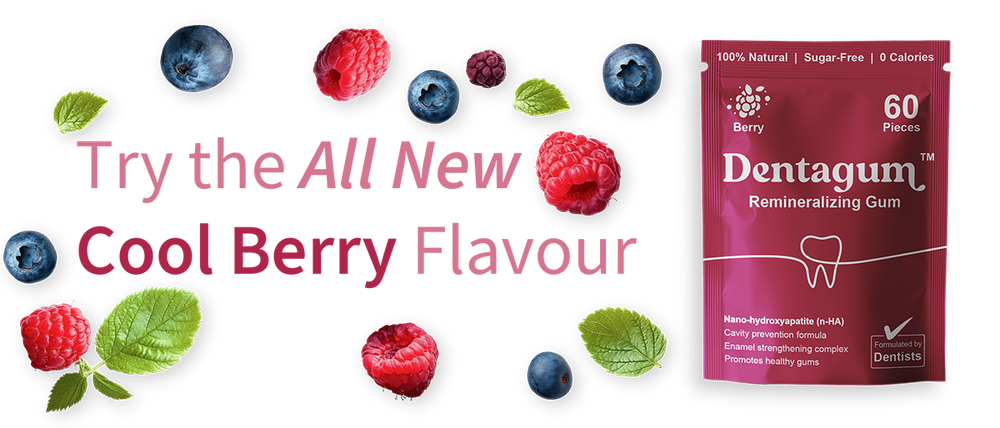
Dentagum's formula brings together the specific ingredients with the most relevant evidence for VSC-producing bacteria in a single post-meal chewing habit. The organic mastic gum base is in sustained contact with oral tissue and tongue surfaces throughout the chewing session, actively inhibiting P. gingivalis, F. nucleatum, and the other gram-negative anaerobes that produce hydrogen sulfide and methyl mercaptan. Natural propolis adds broad-spectrum antimicrobial action against the same bacterial species. Organic xylitol and organic erythritol reduce periodontopathic bacteria including the VSC producers identified in the 2022 Frontiers in Nutrition microbiome study. The saliva stimulation from chewing washes bacteria from oral surfaces and floods the environment with natural antimicrobial proteins.
This combination doesn't mask bad breath. It reduces the bacterial populations producing it at each chewing session and over time with consistent use. The flavoring helps with immediate freshness, but it's the antibacterial stack doing the sustained work.
Dentagum also contains spearmint extract as its natural flavoring. Spearmint provides the clean breath signal without the intense sharpness of peppermint, which some people find uncomfortable on sensitive gum tissue. For anyone who has experienced breath freshening followed by a return of bad breath that conventional gum couldn't prevent, the difference with a genuinely antibacterial formula becomes noticeable within the first week of consistent post-meal use.
Try Dentagum risk-free — 30-day guaranteeFrequently Asked Questions
Does chewing gum actually help with bad breath?
Yes, but how much depends entirely on what's in it. All chewing gum stimulates saliva that washes bacteria from oral surfaces, which provides real if temporary benefit. Gum with xylitol actively reduces the periodontopathic and cariogenic bacteria that overlap with VSC-producing species, producing a benefit that accumulates with consistent use. Gum with mastic gum base actively inhibits the specific gram-negative anaerobes (P. gingivalis, F. nucleatum) most responsible for producing hydrogen sulfide and methyl mercaptan. Gum with only flavoring masks the odor temporarily while leaving the bacterial cause unchanged.
What actually causes bad breath?
In 80 to 90% of cases, bad breath comes from inside the mouth and is caused by gram-negative anaerobic bacteria producing volatile sulfur compounds (VSCs), particularly hydrogen sulfide (H2S) and methyl mercaptan, as byproducts of metabolizing proteins. These bacteria colonize primarily on the tongue dorsum, in periodontal pockets, and in other protected low-oxygen areas. A 2025 review confirmed halitosis affects more than 50% of the global population. A smaller percentage has systemic causes including GERD, H. pylori infection, and other gastrointestinal or respiratory conditions.
Why does bad breath come back after chewing gum?
Because most gum only masks the smell through flavoring without affecting the bacteria causing it. While the mint or spearmint flavor lasts, the VSC-producing bacteria continue their activity. When the flavor exhausts, the sulfur compounds have accumulated to the same or higher levels than before. The only way to produce a sustained reduction in bad breath is to reduce the population of VSC-producing bacteria or the conditions (dry mouth, periodontal disease) that allow them to proliferate.
Is dry mouth related to bad breath?
Yes, directly. Saliva washes bacteria from oral surfaces, delivers antimicrobial proteins that inhibit gram-negative anaerobes, and maintains a pH environment less hospitable to VSC-producing species. When saliva is reduced through medications (400+ drug types list dry mouth as a side effect), dehydration, or mouth breathing during sleep, the bacterial populations that produce sulfur compounds proliferate in the newly dry, low-oxygen environment. Morning breath is the most obvious example: salivary flow drops to near zero overnight, VSC-producing bacteria operate unchecked for 7 to 8 hours, and breath is worst on waking.
Does xylitol help with bad breath?
Yes, through a specific mechanism. A 2022 microbiome study published in Frontiers in Nutrition found xylitol gum producing 6.2g xylitol per day for two weeks reduced dental plaque by 20% and significantly reduced cariogenic and periodontopathic bacteria, including Fusobacterium species and Prevotella species that are among the primary VSC producers. The reduction in these bacteria means reduced VSC production capacity, not just a temporary odor mask. The effect accumulates with consistent daily use.
When should I see a dentist about bad breath?
If bad breath persists despite consistent tongue scraping, flossing, twice-daily brushing, and post-meal antibacterial gum use, see a dentist for professional evaluation. Persistent halitosis often indicates subgingival periodontal disease requiring scaling and root planing to disrupt the bacterial communities below the gumline that home care cannot reach. If a dental evaluation finds no oral cause, a medical evaluation for gastrointestinal conditions, H. pylori, or other systemic causes is the appropriate next step.

The Bottom Line
Bad breath is a bacterial problem, not a flavoring deficiency. The gram-negative anaerobes living on your tongue and in the protected spaces of your mouth produce volatile sulfur compounds that no amount of mint flavoring prevents or resolves. Conventional gum provides temporary sensory cover and then returns the problem unchanged.
A gum that genuinely helps with bad breath does so through specific antibacterial mechanisms: xylitol and erythritol reducing the periodontopathic bacteria that overlap with VSC producers, mastic gum base actively inhibiting P. gingivalis and F. nucleatum during extended contact, propolis adding broad-spectrum antimicrobial coverage, and the chewing action itself stimulating the salivary washing and antimicrobial proteins that naturally suppress anaerobic bacteria. Those mechanisms compound with consistent post-meal use, reducing the bacterial load that creates the smell rather than simply covering it.
Combine that daily gum habit with morning tongue scraping, daily flossing, adequate hydration, and regular professional cleanings, and you have a complete approach to bad breath that targets the cause rather than the symptom.
Try Dentagum risk-free — 30-day guarantee at dentagum.coResearch Summary
- International Journal of Applied Dental Sciences, 2025. Halitosis affects more than 50% of the population. 80-90% of cases are intraoral. Primary compounds: VSCs, especially hydrogen sulfide and methyl mercaptan, produced by gram-negative anaerobes.
- PMC. "The Role of Oral Microbiota in Intra-Oral Halitosis." Primary VSC-producing bacteria: Porphyromonas, Prevotella, Fusobacterium, Tannerella forsythia, Veillonella, and others. VSCs toxic to human cells even at low concentrations.
- Scientific Reports, 2023. Mask-wearing VSC study. VSC production driven by gram-negative anaerobes including P. gingivalis and T. denticola. Confirmed oral bacteria as the primary VSC source.
- Wu et al. "Xylitol-Containing Chewing Gum Reduces Cariogenic and Periodontopathic Bacteria in Dental Plaque — Microbiome Investigation." Frontiers in Nutrition, 2022. 24 participants, 6.2g xylitol/day for 2 weeks. 20% plaque reduction (p less than 0.05). Significant reduction in VSC-producing periodontopathic bacteria including Fusobacterium and Prevotella species.
- Alwadi MAM et al. Journal of Natural Medicine, 2023. Mastic gum antibacterial against P. gingivalis, F. nucleatum, P. intermedia, and other VSC-producing periodontal pathogens across 14 clinical studies. Significantly higher inhibition than 3% H2O2 (p less than or equal to 0.016).
- Sycinska-Dziarnowska et al. Journal of Functional Biomaterials, 2025. PROSPERO CRD42023467573. Propolis products significantly reduce dental plaque and gingival inflammation. Plaque reduction reduces the bacterial substrate for VSC production.
- Bristle Health review, 2022. 90% of bad breath caused by VSC-producing bacteria. Tongue cleaning reduces VSC levels 30-75% but effect lasts only 30 minutes before bacteria regrow. Dry mouth is a primary independent risk factor for halitosis.
- ADA. Chewing sugar-free gum stimulates saliva to 10-12x resting rate. Saliva physically washes bacteria from oral surfaces and delivers antimicrobial proteins.
References
- "Halitosis: Etiology, Epidemiology, Diagnosis and Treatment." International Journal of Applied Dental Sciences, 2025. https://www.oraljournal.com/archives/2025/vol11issue2/
- "The Role of Oral Microbiota in Intra-Oral Halitosis." PMC. https://www.ncbi.nlm.nih.gov/pmc/articles/PMC7465478/
- "Volatile Sulfide Compounds and Oral Microorganisms on the Inner Surface of Masks in Individuals with Halitosis During COVID-19 Pandemic." Scientific Reports, 2023. https://www.nature.com/articles/s41598-023-29080-3
- Wu Y-F et al. "Xylitol-Containing Chewing Gum Reduces Cariogenic and Periodontopathic Bacteria in Dental Plaque — Microbiome Investigation." Frontiers in Nutrition, 2022. https://www.ncbi.nlm.nih.gov/pmc/articles/PMC9131035/
- Alwadi MAM et al. "Mastic (Pistacia lentiscus) Gum and Oral Health: A State-of-the-Art Review." Journal of Natural Medicine, 2023. https://pubmed.ncbi.nlm.nih.gov/37147480/
- Sycinska-Dziarnowska M et al. "Propolis as a Natural Remedy in Reducing Dental Plaque and Gingival Inflammation." Journal of Functional Biomaterials, 2025. PROSPERO CRD42023467573. https://www.ncbi.nlm.nih.gov/pmc/articles/PMC12470411/
- American Dental Association. "Chewing Gum." Oral Health Topics. https://www.ada.org/resources/ada-library/oral-health-topics/chewing-gum
- "Best Gum for Bad Breath." Bristle Health, 2022. https://www.bristlehealth.com/blogs/bad-breath-blogs/best-gum-for-bad-breath
