
Stress, Anxiety, and Your Teeth: The Cortisol-Oral Health Connection
Chronic stress reaches your mouth through a documented biological pathway. Elevated cortisol suppresses secretory IgA, the antibody defending against oral bacteria, shifts inflammatory signaling toward more inflammation, and has been linked in vitro to accelerated growth of a primary periodontal pathogen. Stress independently drives teeth grinding, reduces saliva flow, and changes eating patterns. Multiple studies confirm the correlation, though researchers are careful to note correlation is not proof of causation. Chewing gum itself has genuine, if mixed, research support as a mild stress-coping behavior, making it a small supportive habit worth combining with addressing the underlying stress.

Quick Answer
Yes, chronic stress measurably affects your teeth and gums, and the mechanism runs through cortisol. When stress activates the body's hypothalamic-pituitary-adrenal (HPA) axis, cortisol suppresses secretory IgA, the antibody that helps defend the mouth against bacteria, while also shifting the balance of inflammatory signals toward more inflammation. Research has found that heightened cortisol may accelerate the growth of Porphyromonas gingivalis, a primary bacterium behind gum disease, and a 2024 cross-sectional study found perceived stress correlated with worse gingival bleeding and plaque scores. Stress also drives teeth grinding and clenching, called bruxism, and often reduces saliva flow, both of which compound the damage. The connection is not one-directional despair, though. Chewing gum itself has research support as a mild stress-reduction behavior: multiple controlled studies found gum chewing during stressful tasks reduced self-reported anxiety and, in some studies, salivary cortisol. A holistic approach, addressing the stress itself, watching for grinding, and using gum as one small supportive tool, is the most honest way to think about this connection.
Last updated: July 2026. Reviewed against cortisol and periodontal disease research, HPA axis and immune suppression literature, bruxism and stress studies, and gum chewing stress reduction trials
Most people know stress affects sleep, digestion, and mood. Far fewer know it has a direct, measurable pathway into the mouth. This article covers the actual biological mechanism connecting stress to gum health, teeth grinding, and dry mouth, what the current research does and does not establish, and what genuinely helps.
The HPA Axis: How Stress Becomes Cortisol
When the brain perceives a stressor, whether it is a work deadline, a difficult conversation, or ongoing financial pressure, it activates a specific signaling chain called the hypothalamic-pituitary-adrenal axis, usually shortened to the HPA axis. The hypothalamus releases corticotropin-releasing hormone, which signals the pituitary gland to release adrenocorticotropic hormone, which in turn signals the adrenal glands to release cortisol into the bloodstream. This same activation also triggers the sympathetic-adrenal-medullary system, releasing epinephrine and norepinephrine alongside cortisol.

This is a normal, adaptive response when stress is brief. The problem is chronic, ongoing stress, where cortisol stays elevated for extended periods rather than spiking and returning to baseline. A 2025 review published in Clinical Science describes how this sustained activation directly affects immune regulation in ways that are now understood to influence periodontal disease initiation and progression.
Researchers can measure this connection directly because cortisol appears in saliva, not just blood. Salivary cortisol, along with related markers like alpha-amylase and secretory IgA, gives dentists and researchers a window into a patient's stress physiology that shows up in the mouth before it may be captured anywhere else.
How Cortisol Suppresses Your Mouth's Defenses
Cortisol's effect on oral health is not vague or general. Several specific mechanisms have been documented.
Cortisol suppresses secretory immunoglobulin A, commonly called secretory IgA, which is the primary antibody responsible for defending the mouth against decay-causing and disease-causing microbes. Lower secretory IgA means bacteria in the mouth face less immune resistance. Cortisol also shifts the balance of cytokines, the signaling molecules that regulate inflammation, toward a more pro-inflammatory state, including increased activity of interleukin-6 and tumor necrosis factor alpha, both of which are implicated in periodontal tissue breakdown.
An in vitro investigation cited in a 2024 study published in the Journal of Clinical Medicine found that heightened cortisol levels may contribute to accelerated proliferation of Porphyromonas gingivalis, one of the primary bacterial drivers of gum disease. The same review noted that diminished immune function under chronic stress has emerged as a potential contributor to worsening gingivitis. Separately, cortisol has been shown to narrow blood vessels within the periodontal ligament and slow wound healing throughout the oral cavity, meaning that even routine minor gum irritation heals more slowly under chronic stress than it would otherwise.
A 2025 review in Clinical Science describes a more detailed regulatory picture: stress activation of the HPA axis does not simply push the immune system in one direction. It also induces interleukin-10, an anti-inflammatory cytokine that helps regulate the stress response and cortisol levels themselves, creating a feedback loop between the nervous system, the endocrine system, and the immune system that researchers are still working to fully map. What is consistently observed across this body of research is that the severity of chronic periodontitis correlates with elevated salivary cortisol and other HPA axis markers.
What the Research Actually Shows
Being precise about the strength of this evidence matters. A 2024 cross-sectional study published in the Journal of Clinical Medicine analyzed 203 people, measuring their Periodontal Screening and Recording score, Gingival Bleeding Index, and Plaque Control Record alongside validated perceived stress and mindfulness questionnaires. The study found correlations between higher perceived stress and worse gingival bleeding and plaque scores. Importantly, the study authors themselves stated plainly that correlation does not imply causality, meaning they could not say with certainty that increased stress causes worse gum measurements, only that the two were statistically associated in this sample.
A separate biomarker-based review searching literature from 2014 through December 2024 examined the relationship between salivary cortisol and periodontal disease across multiple studies and confirmed that severity of chronic periodontitis correlates with elevated salivary cortisol and other HPA axis effectors. This is consistent, repeatedly observed evidence at the correlational level, with mechanistic explanations (immune suppression, altered cytokine balance, accelerated pathogen growth) that make biological sense.
The honest summary: the mechanistic case for how chronic stress could worsen gum health is genuinely strong and multi-pathway. The population-level correlational evidence consistently supports an association. What remains harder to establish with certainty in humans, for ethical and practical reasons, is a fully proven causal chain showing that reducing stress in a specific person will reliably improve their specific periodontal measurements. This is a genuine, evidence-supported connection worth taking seriously, described honestly rather than oversold as a fully closed scientific case.
What the Evidence Establishes vs What Remains Open
- Established: Cortisol suppresses secretory IgA and shifts cytokine balance toward inflammation, mechanisms with clear biological plausibility for worsening gum tissue response to plaque bacteria
- Established: In vitro research shows heightened cortisol may accelerate growth of Porphyromonas gingivalis, a primary periodontal pathogen
- Established: Multiple studies find salivary cortisol levels correlate with periodontal disease severity
- Genuinely open: Whether stress reduction interventions reliably improve periodontal outcomes in a given individual; study authors themselves note correlation is not proof of causation
- Practical takeaway: Treat the stress-gum connection as a real contributing factor worth managing, not a guaranteed cause-and-effect you can fully control through stress reduction alone
Stress-Driven Bruxism: Grinding and Clenching
Separate from the immune and inflammatory pathway, stress has a direct mechanical effect on teeth through bruxism, the clinical term for grinding or clenching teeth. Bruxism can happen while awake, often as unconscious jaw tension during concentration or anxiety, or during sleep, where it frequently goes entirely unnoticed by the person doing it.
Stress is consistently identified as one of the primary drivers of bruxism in adults. A 2020 systematic review found a significant association between stress and bruxism, though researchers note more work is needed to fully characterize the relationship. The mechanism is thought to involve the same stress physiology discussed above: sustained muscle tension, particularly in the jaw and face, that manifests as grinding or clenching, often most intensely during sleep when conscious control is absent.
The dental consequences of bruxism are significant and largely mechanical rather than bacterial: worn, flattened, or chipped teeth, exposed dentin leading to temperature and pressure sensitivity, jaw soreness, morning headaches, and in more severe or prolonged cases, cracked teeth requiring restorative treatment. Common symptoms people notice include waking up with a sore or tired jaw, morning headaches, and teeth that feel sensitive first thing in the morning even without an obvious cause like a new cavity.
If you notice these patterns, particularly morning jaw soreness or teeth that feel achy upon waking, it is worth mentioning to your dentist, since they can often spot physical signs of grinding during a routine exam, such as flattened biting surfaces, even if you are unaware you are doing it.
Cortisol and Reduced Saliva
Elevated cortisol has also been linked to reduced salivary gland output. This matters considerably because saliva is the mouth's primary defense mechanism: it rinses away food debris, buffers and neutralizes acid produced by bacteria, and delivers calcium and phosphate back to enamel to support remineralization. When cortisol reduces saliva output during periods of chronic stress, all of these protective functions are diminished simultaneously, at the same time the immune suppression discussed earlier is reducing the mouth's bacterial resistance. The combined effect explains why some people notice a cluster of oral health changes, more sensitive gums, drier mouth, occasional bad breath, appearing together during genuinely stressful periods of life, rather than as isolated, unrelated symptoms.
Stress Eating and Snacking Patterns
Beyond the direct hormonal pathway, stress commonly changes eating behavior in ways that independently affect oral health. Stress-driven snacking often skews toward sugary, easily accessible comfort foods consumed more frequently and at less predictable times than regular meals. Each of these eating occasions is a fresh acid challenge for enamel, and more frequent, less structured eating means more frequent acid exposure windows across the day, independent of any hormonal effect on the gums themselves. This is a behavioral pathway rather than a biological one, but it compounds the physiological effects already discussed, particularly since reduced saliva flow during stress means each of these more frequent acid exposures is being buffered less effectively than it would be under normal conditions.
Can Chewing Gum Actually Reduce Stress?

Here the research turns genuinely interesting, and mildly encouraging. A frequently cited 2009 controlled study published in Physiology and Behavior (Scholey et al.) investigated chewing gum during a laboratory multi-tasking stress protocol and found that participants who chewed gum during the stressful task reported significantly lower anxiety and stress, along with greater alertness and calmness, compared to performing the same task without gum. Several follow-up studies from the same research group replicated aspects of this effect across different stress contexts, including social stress and multi-tasking scenarios.
A broader review on mastication as a stress-coping behavior, published in BioMed Research International and available through PMC, describes the underlying physiology: chewing has been shown to attenuate stress-induced increases in stress hormones and catecholamines in animal studies, and reduces stress-related changes in brain regions like the hippocampus and hypothalamus that are particularly sensitive to chronic stress. In humans, the review notes that chewing gum or bruxism-like activity under stress has been associated with decreases in alpha-amylase (a marker of sympathetic nervous system activation), salivary cortisol, and shifts in secretory IgA, though the review is careful to note that some studies demonstrate this effect while others do not, meaning the physiological evidence is real but not universally consistent across every study design.
A separate PMC review specifically on chewing gum and stress reduction summarized that gum chewing has been found to reduce self-reported, naturally occurring stress when chewed over a relatively long period, though shorter single-day interventions have shown reduced benefit and did not reliably demonstrate physiological markers of stress reduction. This is an honest, useful distinction: the self-reported mood and calmness benefit of gum chewing during stress appears more consistently across the literature than the physiological cortisol-lowering effect, which shows up in some studies and not others.
The proposed mechanisms are plausible even where the physiological evidence is mixed: increased glucose metabolism in brain regions associated with lower salivary cortisol, effects on serotonergic neurotransmission, and the simple behavioral effect of having a repetitive, low-intensity physical outlet during moments of tension, similar in spirit to other repetitive self-soothing behaviors, but without the downsides of, for example, stress eating or nail biting.
The Honest Picture on Gum Chewing and Stress
- Self-reported mood and calmness: Multiple controlled studies (Scholey et al. 2009 and follow-up research) found gum chewing during stressful tasks reduced self-reported anxiety and improved alertness, a reasonably consistent finding
- Physiological cortisol reduction: Mixed evidence; some studies show reduced salivary cortisol during gum chewing under stress, others do not replicate this effect
- Duration matters: Benefits appear more reliable with longer-term regular chewing than single-day, short-duration use
- Underlying mechanism is plausible: Animal research on mastication as a stress-coping behavior shows genuine effects on stress hormone regulation and brain regions involved in the stress response
- Realistic framing: Gum chewing is a mild, low-cost, low-risk stress-coping tool with reasonable evidence behind it, not a proven treatment for anxiety or a substitute for addressing the underlying source of chronic stress
What Actually Helps
Given everything above, the most defensible practical approach addresses this from multiple angles rather than expecting any single habit to fully offset chronic stress's effect on oral health.

Address the stress itself where possible. This sounds obvious, but it is the actual root cause running through every mechanism described in this article, and no oral care product changes that fact. Standard evidence-supported stress management approaches, adequate sleep, physical activity, social support, and professional support when stress is significant or persistent, remain the primary intervention.
Watch for bruxism signs specifically, since this is a distinct, mechanically damaging pathway separate from the immune-inflammatory one. Morning jaw soreness, headaches concentrated around the temples, or teeth that feel achy or sensitive on waking are worth mentioning to your dentist, who can assess for physical wear patterns and discuss options like a night guard if grinding is confirmed.
Maintain oral hygiene consistency even during stressful periods, when it is often the first self-care habit to slip. This is precisely the period when the mouth's own defenses (immune function and saliva) are working less effectively due to elevated cortisol, making consistent brushing and flossing more important, not less, even though stress often makes it feel harder to maintain routines.
Consider sugar-free gum with xylitol as a small, evidence-supported addition, working on two fronts simultaneously: the saliva-stimulation mechanism directly counters the salivary reduction associated with elevated cortisol, addressing acid buffering and mineral delivery during a period when the mouth needs it more, while the act of chewing itself has reasonable evidence as a mild stress-coping behavior. This is not a treatment for anxiety or chronic stress, but it is a low-effort habit that plausibly supports two different vulnerable points in the stress-oral health connection at once.
If you notice new or worsening gum bleeding, sensitivity, or jaw discomfort during a genuinely stressful period of life, mention it to your dentist rather than assuming it will resolve on its own once the stressful period passes. Early attention during these windows is more effective than addressing accumulated damage later.
Frequently Asked Questions
Can stress actually cause gum disease?
Chronic stress is associated with worse gum health through a well-documented biological mechanism: elevated cortisol suppresses secretory IgA (an antibody that defends against oral bacteria), shifts inflammatory signaling toward more inflammation, and in vitro research suggests it may accelerate growth of Porphyromonas gingivalis, a primary periodontal pathogen. Multiple studies find salivary cortisol correlates with periodontal disease severity. However, researchers are careful to note that correlation in human studies does not prove stress directly causes gum disease in every individual case; the mechanistic pathway is well supported, but a fully proven causal chain in humans remains an active area of research.
Does stress cause teeth grinding?
Yes, stress is one of the most consistently identified drivers of bruxism (teeth grinding and clenching) in adults, whether it happens during waking hours as unconscious jaw tension or during sleep, where it often goes completely unnoticed by the person doing it. A 2020 systematic review found a significant association between stress and bruxism. Common signs include morning jaw soreness, headaches, and tooth sensitivity upon waking, and a dentist can often identify physical wear patterns from grinding during a routine exam even if you are unaware it is happening.
Does chewing gum actually reduce stress?
There is reasonable evidence for this, though the strength of evidence varies by outcome measured. Multiple controlled studies have found that chewing gum during stressful tasks reduces self-reported anxiety and improves alertness and calmness. The effect on physiological stress markers like salivary cortisol is more mixed, with some studies showing reduction and others not replicating the effect, particularly for short single-day use versus longer regular chewing. Animal research on mastication as a stress-coping behavior provides a plausible underlying mechanism. Gum chewing is a reasonable, low-risk supportive habit, not a proven anxiety treatment.
Why does stress cause dry mouth?
Elevated cortisol during periods of chronic stress has been linked to reduced salivary gland output. Since saliva buffers acid, clears food debris, and delivers minerals to enamel, reduced flow during stressful periods diminishes several protective functions simultaneously, at the same time immune suppression from cortisol is reducing the mouth's resistance to bacteria. This combined effect can explain why people sometimes notice a cluster of oral changes together during particularly stressful periods.
How do I know if my tooth sensitivity is from stress or something else?
Stress-related tooth sensitivity is most often connected to bruxism (grinding or clenching wearing down enamel and exposing dentin) rather than a direct effect of cortisol on the tooth itself. If sensitivity is accompanied by morning jaw soreness, headaches around the temples, or a partner noticing grinding sounds at night, bruxism is a likely contributor worth discussing with your dentist. If sensitivity has other characteristics, like being localized to one specific tooth, that pattern is more suggestive of a cavity or other structural issue requiring separate evaluation rather than a stress-related cause.
What is the single most helpful thing to do if stress is affecting my oral health?
There is no single fix, since the mechanisms are genuinely multi-pathway (immune suppression, inflammation, bruxism, dry mouth, and eating pattern changes all contribute independently). The most defensible approach combines addressing the underlying stress through established methods, watching specifically for bruxism signs and discussing a night guard with your dentist if grinding is confirmed, maintaining oral hygiene consistency even when stress makes routines harder to keep, and considering sugar-free xylitol gum as a small supportive habit that addresses both the saliva-reduction and the mild stress-coping angle simultaneously.

Bottom Line
Stress reaches your mouth through a real, well-documented biological pathway. Elevated cortisol suppresses the antibody that helps defend against oral bacteria, shifts inflammatory signaling in a direction that can worsen gum tissue response to plaque, and has been linked in vitro to accelerated growth of a primary periodontal pathogen. Stress independently drives teeth grinding, reduces saliva flow, and often changes eating patterns toward more frequent sugar exposure. Multiple studies confirm the correlation between stress markers and periodontal disease severity, even as researchers are careful to note that correlation is not the same as fully proven causation in every case.
The encouraging part of this picture is that chewing itself has genuine, if mixed-strength, research support as a mild stress-coping behavior, with controlled studies finding reduced self-reported anxiety during stressful tasks when participants chewed gum. Combining that small supportive habit with consistent oral hygiene, attention to bruxism signs, and addressing the underlying stress through established methods is the most honest, holistic way to protect your mouth during genuinely difficult periods of life.
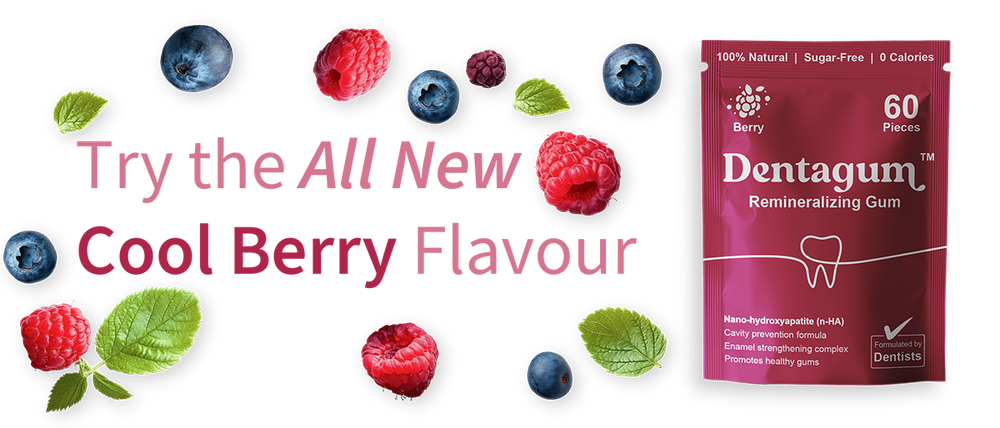
Explore Dentagum: Support Saliva Flow During Stressful PeriodsResearch Summary
This article draws on cortisol and periodontal disease literature, HPA axis and immune suppression research, bruxism studies, and gum chewing stress reduction trials. Key sources include: Portland Press Clinical Science 2025, Chronic stress and the IL-10-mediated immunoregulatory loop in the pathogenesis of periodontitis (HPA axis activation mechanism; IL-10 regulatory role; periodontitis prevalence approximately 62% in dentate adults, severe periodontitis 23.6%; severity correlates with elevated salivary cortisol); PMC11122378, J Clin Med 2024, Periodontal Health and Its Relationship with Psychological Stress cross-sectional study (203 participants; correlation between perceived stress and Gingival Bleeding Index, Plaque Control Record; in vitro evidence cortisol may accelerate P. gingivalis proliferation; authors explicitly note correlation does not imply causality); IgMin Research biomarker-based review 2025 (literature search 2014 to December 2024; cortisol linked to HPA axis suppression of inflammatory response; salivary cortisol as psychological stress biomarker); soothing.dental cortisol review 2024 (cortisol suppresses secretory IgA; narrows periodontal ligament blood vessels; slows wound healing; shifts cytokine balance toward IL-6 and TNF-alpha; reduces salivary gland output); Medical News Today, Bruxism causes and management, citing 2020 systematic review (significant association between stress and bruxism); Cleveland Clinic, Bruxism overview (stress, anxiety as primary triggers; awake versus sleep bruxism distinction; morning jaw soreness and headaches as key symptoms); Scholey A et al, Chewing gum alleviates negative mood and reduces cortisol during acute laboratory psychological stress, Physiol Behav 2009 (controlled multi-tasking stress protocol; gum chewing reduced self-reported anxiety and stress, increased alertness and calmness); PMC4450283, Kubo KY et al, Mastication as a Stress-Coping Behavior, BioMed Research International 2015 (animal and human evidence; chewing attenuates stress-induced corticosterone and catecholamine increases; reduces stress-related hippocampus and hypothalamus changes; human gum chewing associated with reduced alpha-amylase, salivary cortisol, and altered secretory IgA in some but not all studies); PMC6410656, Chewing gum and stress reduction review (self-reported stress reduction more consistent with longer-term regular chewing than single-day short interventions; physiological markers less consistently affected in short-duration studies). This article does not diagnose or treat anxiety, depression, or any specific mental health condition; readers experiencing significant or persistent stress are encouraged to consult a qualified healthcare provider.
References
- Chronic stress and the IL-10-mediated immunoregulatory loop in the pathogenesis of periodontitis. Clinical Science. Portland Press. 2025;139(22):1469-1487. [HPA axis mechanism; periodontitis prevalence ~62% in dentate adults; severity correlates with elevated salivary cortisol and HPA axis effectors]
- Periodontal Health and Its Relationship with Psychological Stress: A Cross-Sectional Study. Journal of Clinical Medicine. 2024;13(10):2942. PMC11122378. [203 participants; perceived stress correlated with Gingival Bleeding Index and Plaque Control Record; in vitro evidence cortisol may accelerate Porphyromonas gingivalis proliferation; authors note correlation does not imply causality]
- The Impact of Stress on Periodontal Health: A Biomarker-Based Review of Current Evidence. IgMin Research. 2025. [Literature search 2014 to December 2024; salivary cortisol as stress biomarker linked to periodontal disease; HPA axis suppression of inflammatory response components]
- Stress and Your Teeth: How Cortisol Causes Gum Disease and Bruxism. soothing.dental. November 2024. [Cortisol suppresses secretory IgA; narrows periodontal ligament blood vessels; slows oral wound healing; shifts cytokine balance toward IL-6 and TNF-alpha; reduces salivary gland output]
- Bruxism (teeth grinding): Causes and management. Medical News Today. Citing 2020 systematic review. [Significant association between stress and bruxism confirmed; smoking, alcohol, caffeine also associated; secondary bruxism linked to anxiety, depression, certain medications]
- Bruxism (Teeth Grinding): Symptoms, Causes and Treatment. Cleveland Clinic. [Stress and anxiety as primary bruxism triggers; awake versus sleep bruxism distinction; morning jaw soreness, headaches, facial pain as key symptoms]
- Scholey A, Haskell C, Robertson B, Kennedy D, Milne A, Wetherell M. Chewing gum alleviates negative mood and reduces cortisol during acute laboratory psychological stress. Physiology and Behavior. 2009;97:304-312. [Controlled multi-tasking stress protocol; gum chewing significantly reduced self-reported anxiety and stress, increased alertness and calmness]
- Kubo KY, Iinuma M, Chen H. Mastication as a Stress-Coping Behavior. BioMed Research International. 2015;2015:876409. PMC4450283. [Animal and human evidence; chewing attenuates stress-induced corticosterone and catecholamine increases; reduces stress-related hippocampus and hypothalamus morphological changes; human studies show mixed but generally positive effects on alpha-amylase, salivary cortisol, secretory IgA]
- Chewing gum and stress reduction. PMC. PMC6410656. [Self-reported stress reduction more consistent with longer-term regular chewing; single-day short interventions show reduced benefit and less consistent physiological effects]
