
Discover the Surprising Benefits of Remineralizing Gum for Enamel Repair and Oral Health
Remineralizing gum is an innovative oral care solution that offers significant benefits for dental health, particularly in enamel repair. This type of gum is designed to strengthen tooth enamel, prevent cavities, and reduce tooth sensitivity through its unique formulation. Many individuals struggle with maintaining optimal oral health due to factors like diet, aging, and inadequate dental care. Remineralizing gum provides a convenient and effective way to support enamel health and overall oral hygiene. In this article, we will explore the mechanisms behind remineralizing gum, its key ingredients, and how it can be integrated into your daily oral care routine.

Remineralizing gum is an innovative oral care solution that offers significant benefits for dental health, particularly in enamel repair. This type of gum is designed to strengthen tooth enamel, prevent cavities, and reduce tooth sensitivity through its unique formulation. Many individuals struggle with maintaining optimal oral health due to factors like diet, aging, and inadequate dental care. Remineralizing gum provides a convenient and effective way to support enamel health and overall oral hygiene. In this article, we will explore the mechanisms behind remineralizing gum, its key ingredients, and how it can be integrated into your daily oral care routine.
Enamel Repair
 Remineralizing gum plays a crucial role in enamel repair by delivering essential minerals that help restore the integrity of tooth enamel. The active ingredients in this gum, such as xylitol and nano-hydroxyapatite, work synergistically to enhance enamel strength and resilience. Clinical studies have shown that regular use of remineralizing gum can lead to significant improvements in enamel hardness, making it an effective tool for combating enamel erosion and decay. Understanding how these ingredients function is vital for appreciating the benefits of remineralizing gum.
Overall Oral Health Improvement
 In addition to enamel repair, remineralizing gum contributes to overall oral health improvement. Chewing this gum stimulates saliva production, which is essential for neutralizing acids and washing away food particles. Increased saliva flow not only helps maintain a balanced oral pH but also freshens breath. Regular use of remineralizing gum can lead to a reduction in tooth sensitivity, making it a valuable addition to any oral care routine.
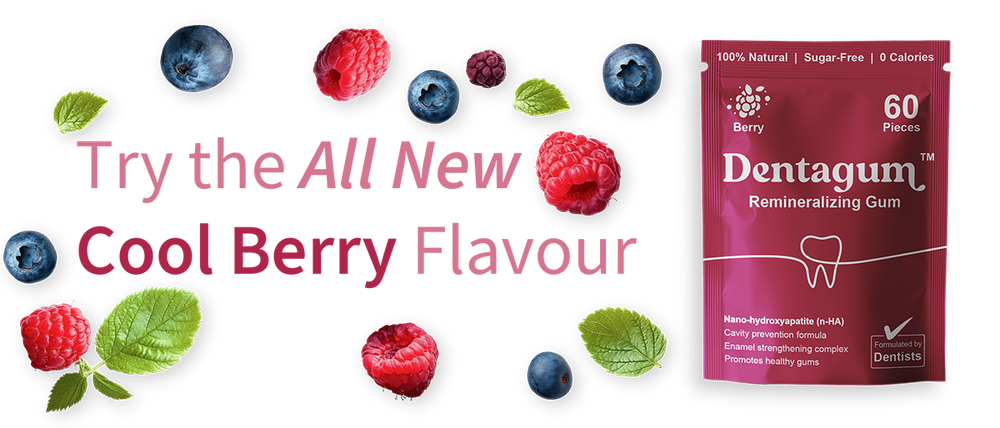
Dentagum offers a specialized product, the "Remineralizing Chewing Gum," which is formulated to enhance these benefits. This gum is particularly suitable for ingredient-conscious adults and older children seeking supplemental oral care.
Potential Commercial Applications
The growing consumer demand for functional oral care products has opened up potential commercial applications for remineralizing gum. As more individuals become aware of the importance of dental health, products that promote enamel repair and overall oral hygiene are gaining popularity. Dentagum is well-positioned in this market, offering innovative solutions that cater to health-conscious consumers looking for effective oral care options.
How Does Remineralizing Gum Strengthen Tooth Enamel?
Remineralizing gum strengthens tooth enamel through several mechanisms. The primary action involves stimulating saliva production, which helps neutralize harmful acids produced by bacteria in the mouth. Additionally, ingredients like xylitol inhibit acid-producing bacteria, further protecting enamel from erosion. Nano-hydroxyapatite, a key component in remineralizing gum, mimics the natural structure of tooth enamel, allowing it to fill microscopic defects and enhance overall enamel strength.
Mechanisms of Action
The mechanisms by which remineralizing gum strengthens enamel are multifaceted. Chewing gum increases saliva flow, which is crucial for maintaining oral health. Saliva not only neutralizes acids but also delivers essential minerals to the teeth. Xylitol plays a significant role by promoting saliva production and inhibiting the growth of harmful bacteria, thereby reducing the risk of cavities.
Scientific Studies
Numerous scientific studies have demonstrated the effectiveness of remineralizing gum in enhancing enamel repair. Research findings indicate that remineralization rates achieved with nano-hydroxyapatite are comparable to those of fluoride treatments. These studies highlight the long-term benefits of using remineralizing gum as part of a comprehensive oral care strategy.
Overall Impact on Oral Health
The overall impact of remineralizing gum on oral health is profound. Regular use can lead to improved enamel strength, reduced sensitivity, and a healthier oral environment. User experiences suggest that incorporating remineralizing gum into daily routines not only enhances dental health but also provides a convenient way to support oral hygiene, especially for those with busy lifestyles.
What Role Does Calcium Phosphate Play in Enamel Repair?
Calcium phosphate is a vital component in the process of enamel repair. It directly supplies essential minerals that aid in restoring enamel integrity. This compound helps fill microscopic defects in the enamel, supporting natural repair mechanisms and enhancing overall tooth strength.
Mechanisms
The mechanisms of calcium phosphate in enamel repair involve its ability to provide a direct supply of minerals necessary for remineralization. By filling in microscopic defects, calcium phosphate supports the natural repair processes of the enamel, making it an essential ingredient in remineralizing products.
Benefits
Incorporating calcium phosphate into oral care products offers several benefits, including restoring enamel integrity, reducing sensitivity, and enhancing overall oral health. Its role in remineralization is crucial for maintaining strong and healthy teeth, particularly for individuals at risk of enamel erosion.
Applications
Calcium phosphate is commonly used in remineralizing gum and other oral hygiene products. Its application in these products helps prevent cavities and supports enamel health, making it a valuable addition to any oral care regimen.
Can Chewing Gum Effectively Prevent Cavities?
Chewing gum can effectively prevent cavities through various mechanisms. The act of chewing stimulates saliva production, which plays a critical role in neutralizing acids and washing away food particles. Additionally, the ingredients in remineralizing gum, such as xylitol and nano-hydroxyapatite, contribute to cavity prevention by creating an antibacterial environment in the mouth.
Saliva Stimulation
Saliva stimulation is one of the primary ways chewing gum helps prevent cavities. Increased saliva flow neutralizes harmful acids produced by bacteria, washes away food debris, and delivers essential minerals to the teeth. This natural defense mechanism is crucial for maintaining oral health.
Remineralizing Ingredients
The remineralizing ingredients in gum, such as xylitol and nano-hydroxyapatite, play a significant role in cavity prevention. Xylitol reduces acid production by bacteria, while nano-hydroxyapatite supports the remineralization process, helping to repair and strengthen enamel.
Antibacterial Environment
Chewing gum creates an antibacterial environment in the mouth, which is essential for cavity prevention. By reducing harmful bacteria and maintaining a balanced oral pH, remineralizing gum supports overall enamel health and reduces the risk of cavities.
Which Key Ingredients Make Remineralizing Gum Effective?
Several key ingredients contribute to the effectiveness of remineralizing gum. These include xylitol, nano-hydroxyapatite, calcium and phosphate compounds, and erythritol. Each of these ingredients plays a unique role in promoting enamel health and preventing cavities.
Xylitol
Xylitol is a natural sweetener that offers numerous benefits for oral health. It reduces cavity risk by inhibiting the growth of harmful bacteria and stimulating saliva production, which is essential for maintaining a healthy oral environment.
Xylitol Benefits for Enamel Remineralization and Oral Health
Xylitol is a sugar alcohol that is commonly used as a sweetener. It can be found naturally or artificially prepared mainly from plant materials chemically or by fermentation of hemicelluloses from agricultural biomass by yeast or bacteria strains. This polyol has a significant antiplaque effect on teeth surface and can reduce the gingival inflammation; it is being used as a preventive agent for dental caries due to decreasing the growth levels of pathogenicStreptococcus mutansandStreptococcus sanguiat the very early stages. Xylitol can bind with calcium ion leading to consequent remineralization of teeth enamel; it is also able to prevent osteoporosis. This polyol can treat respiratory tract and middle ear diseases due to its antibacterial and anti-inflammatory potential and prevent some diseases which cannot be cured through antibiotics or surgery. Xylitol can reduce constipation, diabetes, obesity, and other body syndromes or illnesses; it has also revealed its stimulating effect on digestion and immune system. However, it can produce some side effects such as irritable bowel syndrome, diarrhea, nephrolithiasis, etc., when consumed in excessive amounts. Different vehicles are used for delivering the xylitol into the human body, but chewing gums occupy a leading position.
Health benefits of xylitol, A Gasmi, 2020
Nano Hydroxyapatite
Nano hydroxyapatite mimics the natural structure of tooth enamel, making it an effective ingredient for remineralization. It helps fill microscopic defects in the enamel, enhancing its strength and resilience against decay.
Calcium and Phosphate Compounds
Calcium and phosphate compounds are essential for enamel health. They aid in the remineralization process, helping to restore enamel integrity and reduce sensitivity. These compounds are vital for maintaining strong and healthy teeth.
Erythritol
Erythritol is another natural sweetener that supports oral health by reducing acid production and working alongside xylitol to enhance the effectiveness of remineralizing gum. Its inclusion in oral care products contributes to a healthier mouth.
How Does Xylitol Support Oral Health and Cavity Prevention?
Xylitol supports oral health by reducing acid production and stimulating saliva flow. This natural sweetener is not metabolized by cavity-causing bacteria, making it an effective tool for cavity prevention. By incorporating xylitol into your oral care routine, you can enhance your overall dental health.
Are Non-Fluoride Ingredients Safe and Beneficial for Children?
Non-fluoride ingredients, such as xylitol and nano-hydroxyapatite, are safe and beneficial for children. Xylitol is safe for children in moderate amounts, and nano-hydroxyapatite mimics natural enamel, making it a suitable option for young users. These ingredients provide effective cavity prevention without the risks associated with fluoride.
How Should Remineralizing Gum Be Used in Your Oral Care Routine?
To maximize the benefits of remineralizing gum, it should be used as a supplement to regular oral hygiene practices. Chewing gum after meals can help neutralize acids and promote enamel health. It is recommended to chew 2-3 pieces of gum per day for optimal results.
What Is the Recommended Frequency for Chewing Remineralizing Gum?
The recommended frequency for chewing remineralizing gum is after every meal. Chewing for at least 10-20 minutes can help enhance saliva production and support enamel remineralization. This practice can significantly contribute to maintaining oral health.
How Does Gum Use Complement Traditional Oral Hygiene Practices?
Remineralizing gum complements traditional oral hygiene practices by providing an additional layer of protection for teeth. While brushing and flossing are essential, chewing gum serves as a convenient option for maintaining oral health, especially for those with busy lifestyles.
Can Remineralizing Gum Help Manage Tooth Sensitivity?
Yes, remineralizing gum can help manage tooth sensitivity by strengthening enamel and filling microscopic defects. Regular use of this gum can lead to a reduction in sensitivity, providing relief for individuals who experience discomfort when consuming hot or cold foods.
What Evidence Supports Gum’s Role in Reducing Sensitivity?
Clinical studies have shown that remineralizing gum can significantly reduce tooth sensitivity. User testimonials highlight the effectiveness of this gum in providing relief from discomfort, making it a valuable addition to oral care routines for those with sensitive teeth.
How Does Enamel Strengthening Relate to Sensitivity Relief?
Strengthening enamel is directly related to sensitivity relief. By filling in microscopic defects and enhancing overall enamel integrity, remineralizing gum helps reduce sensitivity. Ingredients like nano-hydroxyapatite play a crucial role in this process, making it an effective solution for managing tooth sensitivity.
