
What Is Oral Wellness and Why Does It Matter Beyond Brushing?
Oral wellness is not the same as oral health. Oral health is the absence of disease: no cavities, no gum disease, no infection. Oral wellness is a proactive, systems-level approach to the oral environment — the microbiome, the enamel mineral cycle, the gum tissue, the inflammation pathways — that produces health as an ongoing outcome rather than treating its absence as the goal. This guide explains what oral wellness means, why it matters beyond brushing, and how it connects to the rest of your body.

Oral wellness is a proactive, systems-level approach to the oral environment that goes beyond the reactive prevention model of conventional oral care. Where oral health asks "do you have cavities or gum disease?", oral wellness asks "is your oral microbiome balanced, are your enamel mineral cycles supported, is your gum tissue thriving, and is your mouth contributing to or detracting from your systemic health?" The oral cavity is not an isolated system. It connects to cardiovascular health through inflammatory pathways, to metabolic health through the bacteria that enter the digestive system, to immune function through the oral microbiome, and to cognitive health through systemic inflammation signals. A genuinely wellness-oriented approach to the oral environment addresses all of these dimensions, not just cavity prevention and surface hygiene.
1. Oral Health vs Oral Wellness: The Difference
The conventional model of oral care is reactive and binary. You either have a problem (a cavity, gum disease, an infection) or you don't. The goal is preventing problems from developing, catching them early when they do, and treating them when prevention fails. Brush twice daily, floss once, see a dentist every six months. This is oral health: a disease-prevention framework.
Oral wellness is a different framework. It asks not just "is disease absent?" but "is the oral environment actively thriving?" This distinction matters because the absence of disease and the presence of a genuinely healthy oral environment are not the same thing. You can have no cavities, no diagnosed gum disease, and pass a routine dental check-up, while still having a dysbiotic oral microbiome, a net-negative enamel mineral balance, subclinical gum inflammation that hasn't yet crossed the diagnostic threshold, and a salivary environment that is contributing to systemic inflammatory load.
Oral wellness draws from the same shift in thinking that produced the broader wellness movement in medicine and consumer health: the recognition that the absence of diagnosed disease is a low bar, and that optimizing the conditions for health is a meaningfully different (and more ambitious) goal than avoiding the conditions that produce disease.
In practical terms, oral wellness asks five questions that the conventional brushing-and-flossing model doesn't systematically address:
Is the oral microbiome in balance? A healthy oral microbiome is dominated by beneficial bacteria that outcompete the pathogenic species responsible for caries and periodontal disease. Microbiome imbalance (dysbiosis) precedes disease.
Is the enamel mineral cycle positive? Enamel loses and gains mineral constantly through the demineralization-remineralization cycle. Oral wellness maintains a net-positive mineral balance so enamel remains strong over time.
Is gum tissue in a low-inflammation state? Subclinical gum inflammation is widespread and largely symptomless before it crosses into diagnosable gingivitis or periodontitis. Managing gum inflammation proactively is an oral wellness concern.
Is the mouth contributing positively to systemic health? The oral cavity is an entry point for the systemic immune system, the cardiovascular system, the digestive system, and multiple metabolic pathways. What happens in the mouth does not stay in the mouth.
Are cosmetic and functional goals addressed without compromising health? Whitening, freshness, and aesthetic concerns are part of oral wellness when they are pursued through means that support rather than undermine the oral health environment.
Brushing removes plaque biofilm from accessible tooth surfaces. It is essential and non-negotiable. But it does not remineralize enamel, balance the oral microbiome, reduce subclinical gum inflammation, support soft tissue health, or address the post-meal acid environment that drives demineralization. A twice-daily brushing routine is the floor of oral hygiene, not the ceiling of oral wellness. The gap between the two is where oral wellness lives.
2. The Oral Microbiome: The Foundation of Oral Wellness

The oral microbiome is the community of approximately 700 bacterial species that colonize the mouth. Like the gut microbiome, the oral microbiome exists in a dynamic balance between beneficial and pathogenic species. When this balance is maintained, the beneficial species outcompete pathogens, the oral environment remains at a pH that supports enamel health, and gum tissue is protected from the inflammatory insults that drive periodontal disease.
When the microbiome is disrupted (by antibiotic use, high-sugar diet, poor hydration, stress, illness, or excessive antiseptic mouthwash use), pathogenic species like Streptococcus mutans (S. mutans, the primary cavity-causing bacterium) can dominate. S. mutans metabolizes dietary sugars to produce lactic acid, lowering oral pH below the critical threshold (approximately 5.5) at which enamel demineralization occurs. In dysbiotic conditions, this acid production is persistent and aggressive, driving progressive enamel loss and caries development.
An oral wellness approach to microbiome health focuses on supporting beneficial bacterial populations rather than purely reducing bacterial load. This distinction matters: broad-spectrum antiseptic mouthwashes that eliminate nearly all oral bacteria disrupt the microbiome as readily as they reduce pathogens, potentially creating the ecological vacuum that allows pathogenic species to recolonize more aggressively. Targeted approaches that specifically reduce S. mutans populations while preserving beneficial species are more aligned with the oral wellness microbiome philosophy.
Xylitol is the most clinically established targeted approach to S. mutans reduction. S. mutans transports xylitol into its cells through the same phosphotransferase system it uses for sucrose. It cannot metabolize xylitol (unlike sugars), expends energy in a futile metabolic cycle, and dies. Beneficial bacteria do not have this vulnerability. A 2025 systematic review (Söderling et al., BMC Oral Health) found xylitol significantly reduced S. mutans in 12 of 14 clinical studies. Figures from ingredient research.
Oral probiotics represent a newer dimension of microbiome-focused oral wellness: deliberately introducing beneficial bacterial strains to support microbiome balance rather than purely removing pathogens. The research on oral probiotics is growing and promising, with specific strains (notably Lactobacillus and Streptococcus salivarius species) showing beneficial effects on caries risk and periodontal inflammation in early clinical research.
3. The Enamel Mineral Cycle: Beyond Cavity Prevention
Enamel is not static. It participates in a continuous cycle of mineral loss (demineralization) and mineral gain (remineralization) throughout the day. Understanding this cycle is central to the oral wellness model.
Demineralization occurs when oral pH drops below approximately 5.5, which happens after every meal or snack as bacterial metabolism produces acid. At low pH, the hydroxyapatite mineral of enamel dissolves: calcium and phosphate ions migrate out of the enamel surface into the saliva. The enamel surface becomes temporarily softer and more porous.
Remineralization occurs when oral pH rises above 5.5 and saliva deposits calcium, phosphate, and fluoride ions back into the enamel microstructure. Salivary remineralization is the body's primary enamel repair mechanism. Fluoride facilitates this process by incorporating into hydroxyapatite to form fluorapatite, a more acid-resistant mineral form.
Oral health as conventionally practiced manages this cycle primarily through fluoride (which enhances remineralization) and dietary advice (which reduces demineralization frequency). Oral wellness takes a more active approach: not just avoiding demineralization and hoping remineralization keeps pace, but actively supplying remineralizing mineral to the enamel surface at high-opportunity windows.
The highest-opportunity remineralization windows are the 20 to 30 minutes after eating, when saliva flow is elevated and the enamel surface is temporarily softened and most receptive to mineral deposition. Chewing sugar-free gum containing nano-hydroxyapatite during this window stimulates saliva production (which buffers the acid environment) and simultaneously delivers hydroxyapatite mineral to the enamel surface. Research found nano-HAp recovered approximately 40% of enamel surface microhardness in approximately 30 minutes in vitro (PMC8659594). An oral wellness approach positions this post-meal window as a targeted remineralization opportunity rather than just a passive waiting period. Figures from ingredient research.
The same principle applies during whitening treatments. The best whitening strip formulas include nano-hydroxyapatite in the gel so that each 30 to 60 minute whitening session is simultaneously a remineralization session: the whitening active removes stains while nano-HAp deposits mineral into enamel microporosities. The cosmetic intervention and the oral wellness intervention are happening at the same time.
4. How Oral Wellness Connects to Whole-Body Health

The mouth is not isolated from the rest of the body. Research over the past two decades has produced substantial evidence that oral health status (and by extension, oral wellness) connects to systemic health through several documented pathways.
Cardiovascular health
The association between periodontal disease and cardiovascular disease is one of the most extensively studied links between oral and systemic health. People with moderate to severe periodontitis have significantly elevated risk of cardiovascular events compared to those with healthy gum tissue. The proposed mechanisms include direct bacterial translocation (periodontal pathogens entering the bloodstream through inflamed gum tissue), systemic inflammatory response to chronic oral infection, and shared risk factors (smoking, diabetes, stress) that damage both oral and cardiovascular tissue. The American Heart Association has acknowledged the association while noting that causality (rather than correlation) remains an area of active research.
Metabolic health and diabetes
The relationship between periodontal disease and diabetes is bidirectional and well-established. Diabetes impairs immune response and increases susceptibility to periodontal infections. Periodontal disease, in turn, elevates systemic inflammatory markers and can worsen glycemic control. Treatment of periodontal disease has been shown in multiple studies to produce modest improvements in HbA1c (long-term blood glucose control) in diabetic patients. This is the clearest evidence that improving oral health produces measurable systemic metabolic benefit.
Cognitive health
An active area of current research explores associations between oral bacteria and cognitive decline. Studies have found Porphyromonas gingivalis (a key periodontal pathogen) in the brains of Alzheimer's disease patients, and gingipains (enzymes produced by P. gingivalis) have been found to correlate with Alzheimer's biomarkers. Research is still characterizing the mechanism, directionality, and causal significance of this relationship. The association is real; the mechanistic explanation is still being established.
Gut microbiome
The gut microbiome receives a continuous inoculum from the oral cavity via swallowed saliva: approximately 140 ml of saliva is swallowed daily, carrying oral bacteria into the gut. In healthy conditions, oral bacteria are generally out-competed by gut microbiome species and do not establish. In gut dysbiosis (from antibiotics, illness, or diet), oral bacteria can colonize the gut and contribute to gut microbiome imbalance. Maintaining a healthy oral microbiome therefore has downstream consequences for the gut microbiome through this swallowed-saliva pathway.
5. Gum Tissue Health as an Oral Wellness Signal
Gum health is both a direct measure of oral wellness and a proxy for systemic inflammation status. Healthy gum tissue is pink, firm, and does not bleed on brushing or flossing. Inflamed gum tissue (even before it crosses into diagnosable gingivitis) is red, puffy, and more likely to bleed on contact. Many adults live with subclinical gum inflammation that they've normalized as routine ("my gums always bleed a bit").
From an oral wellness perspective, gum tissue inflammation is a signal that something in the oral environment is out of balance. It may be inadequate plaque removal, microbiome dysbiosis, inadequate saliva buffering, systemic factors (stress, medications, nutritional deficiencies), or local irritants. An oral wellness approach investigates and addresses the cause rather than simply noting the absence of formal periodontitis diagnosis.
Niacinamide (Vitamin B3) has documented anti-inflammatory and barrier-support properties in mucosal tissue. It is used in premium oral care formulations specifically to support gum tissue health during extended product contact, such as the 30 to 60 minutes of daily whitening strip use. The inclusion of niacinamide in a whitening strip is the oral wellness philosophy made explicit: the cosmetic treatment session is also addressing gum tissue inflammation rather than ignoring or compounding it.
Oil pulling (swishing coconut or sesame oil for 10 to 20 minutes) has clinical evidence for gum health benefit independent of whitening, with multiple studies and a 2024 meta-analysis finding significant reductions in plaque index and gingival inflammation. Its mechanism likely involves lauric acid disrupting bacterial cell membranes and the mechanical saponification of bacterial biofilm. For people who prioritize gum health as part of oral wellness, oil pulling is a well-evidenced complementary practice.
6. What Brushing and Flossing Don't Address
Brushing and flossing are essential. This section is not an argument against them. It is an argument for what needs to happen in addition to them for a genuinely wellness-level approach to oral health.
The post-meal acid window. Brushing typically happens in the morning and before bed. The highest demineralization risk occurs in the 20 to 30 minutes after every meal, when bacterial acid production is at its peak. Brushing twice daily does not address the multiple daily acid attacks that occur between brushing sessions. The oral wellness solution: stimulating saliva production and delivering remineralizing mineral during the post-meal window, which is what chewing remineralizing gum accomplishes.
The oral microbiome between brushing sessions. Brushing mechanically removes plaque biofilm. Within hours, biofilm begins to reform. Between brushing sessions, the oral microbiome's balance is maintained or disrupted by diet, saliva chemistry, and the relative populations of beneficial versus pathogenic species. Brushing clears the field twice daily; what happens in between depends on factors brushing doesn't control.
Enamel mineral delivery. Brushing with fluoride toothpaste supports remineralization through fluoride. It does not deliver the calcium and phosphate mineral that enamel is made from at significant concentration. Nano-hydroxyapatite in remineralizing products delivers these ions directly to the enamel surface at concentrations that support active mineral deposition.
Systemic saliva quality. Saliva is the oral environment's primary protective fluid: it buffers acid, delivers minerals, carries antimicrobial proteins, and lubricates tissue. Hydration, sleep, stress, and certain medications all affect saliva quality and flow rate. Low saliva (xerostomia or subclinical salivary insufficiency) is a significant oral wellness risk that brushing cannot address.
Cosmetic care aligned with health goals. Conventional whitening (hydrogen peroxide strips) addresses a cosmetic goal while creating sensitivity and enamel interaction effects that are not optimally aligned with oral wellness. An oral wellness approach to whitening uses a mechanism that achieves the cosmetic goal without compromising the oral health environment, and ideally uses the whitening session to simultaneously deliver oral wellness benefits.
7. Building an Oral Wellness Routine

An oral wellness routine addresses all five dimensions: microbiome, enamel mineral cycle, gum tissue, systemic contribution, and cosmetic-health alignment. Here is the evidence-based framework.
Morning foundation: Brush with a fluoride toothpaste (or nano-HAp toothpaste as an alternative or addition) to remove overnight biofilm buildup and supply enamel-supportive mineral. Floss to remove interdental plaque that brushing misses. Optional: oil pulling for 10 to 20 minutes before brushing for additional gum health and microbiome support.
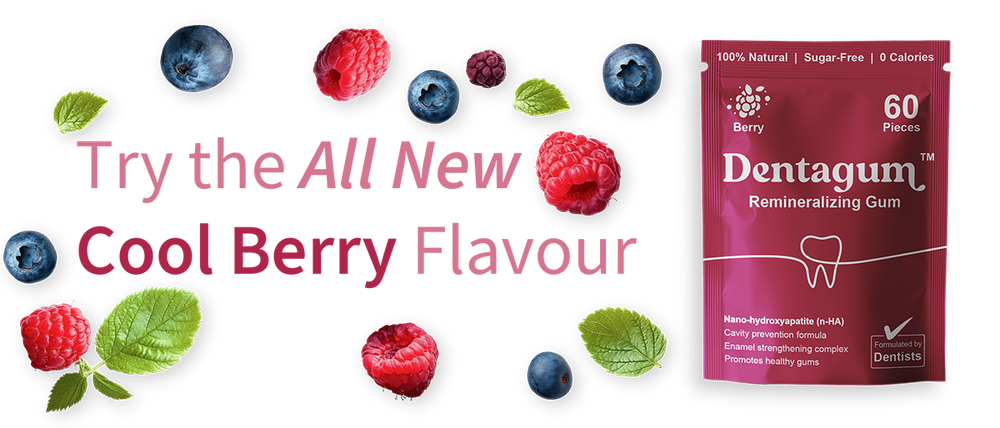
After every meal (the most impactful oral wellness habit most people don't have): Chew a remineralizing xylitol gum for 20 minutes. The chewing stimulates saliva flow that buffers the post-meal acid environment. Xylitol in the gum kills S. mutans through the metabolic mechanism. Nano-hydroxyapatite delivers enamel mineral at the window of maximum enamel receptivity. The ADA endorses 20 minutes of sugar-free gum after meals for cavity prevention via saliva stimulation. A nano-HAp remineralizing gum does this and simultaneously delivers active enamel mineral support. Dentagum remineralizing chewing gum (containing 5% nano-HAp, approximately 90mg per piece) is formulated specifically for this post-meal oral wellness role.
Evening foundation: Brush again with fluoride or nano-HAp toothpaste. Floss if not done in the morning. Consider a gentle, non-alcohol mouthwash if desired (avoid aggressive antiseptic mouthwashes that disrupt the microbiome). Avoid eating or drinking anything except water after evening brushing to maintain the remineralization environment through the night.
Whitening sessions (when whitening): Choose a peroxide-free whitening strip format that includes nano-hydroxyapatite, potassium nitrate, and xylitol alongside the PAP+ whitening active and violet color correction. Dentagum Purple Whitening Strips are formulated to deliver whitening plus concurrent enamel mineral support, sensitivity protection, and antibacterial coverage in each 30 to 60 minute session. The whitening treatment is part of the oral wellness routine rather than a separate cosmetic intervention that trades off against it.
Professional care: Every six months, professional cleaning removes calcified tartar that brushing cannot address, and the professional examination catches developing issues before they become significant. An oral wellness-oriented dentist will also assess enamel status, gum health, salivary function, and microbiome indicators beyond the standard cavity-and-gum-disease check.
8. The Oral Wellness Product Philosophy
The oral wellness framework has practical consequences for how products should be evaluated. A conventional oral care product is evaluated primarily on whether it prevents a specific problem (cavity-prevention toothpaste, sensitivity relief toothpaste, whitening strips). An oral wellness product is evaluated on how many of the five oral wellness dimensions it addresses in a single interaction.
This is the standard that Dentagum applies to both its products.
Dentagum Remineralizing Chewing Gum
Designed for the post-meal oral wellness window. The formula integrates xylitol (targeted S. mutans reduction, supporting microbiome balance), nano-hydroxyapatite at 5% concentration (approximately 90mg per piece, active enamel mineral delivery at the window of maximum enamel receptivity), and the saliva-stimulating mechanical benefit of chewing (saliva buffering, mineral delivery, debris clearance). The product simultaneously addresses microbiome health, enamel mineral cycle support, and gum environment through the elevated salivary flow and bacterial reduction it produces.
To put the nano-HAp concentration in useful context: a typical toothpaste serving at 10% nano-HAp concentration delivers approximately 50mg. A single piece of Dentagum gum at 5% delivers approximately 90mg per serving because the gum generates sustained saliva and keeps the mineral in oral contact for the full 20-minute chewing period rather than the two minutes of brushing. The delivery mechanism as much as the concentration determines what reaches the enamel surface.
This is not a "healthy candy" or a gum primarily positioned on flavor. It is an oral wellness tool designed around the biology of the post-meal window and the specific mechanisms that support enamel, microbiome, and gum health during that period.
Dentagum Purple Whitening Strips
Designed to address a cosmetic goal (whiter teeth, via PAP+ stain removal and violet color correction) while simultaneously delivering meaningful oral wellness benefit during each treatment session. The supporting formula addresses every oral wellness dimension a whitening strip can reach: nano-hydroxyapatite for enamel mineral support, potassium nitrate for sensitivity protection and nerve health, xylitol for antibacterial microbiome support, niacinamide for gum tissue anti-inflammatory support, hydrolyzed collagen for soft tissue conditioning, and probiotics for oral microbiome benefit.
The "More Than Whitening" positioning of Dentagum Purple Whitening Strips is not a marketing framing applied to a standard whitening product. It is a description of what the formula actually does during each session: whitens via PAP+, brightens via violet color theory, supports enamel mineral via nano-HAp, reduces sensitivity via KNO3, kills S. mutans via xylitol, supports gum tissue via niacinamide, and supports microbiome via probiotics. Seven distinct oral wellness functions in a single 60-minute daily session.
From an oral wellness perspective, this is what a whitening product should be: not a cosmetic intervention that sits outside the oral health routine, but a treatment session that makes the oral environment better in multiple measurable ways while also achieving the cosmetic goal.
A 14-day Dentagum Purple Whitening Strips course produces: a visible whitening result (PAP+ stain removal across 14 sessions); day-one and daily visible brightening (violet color correction every session); progressive enamel mineral support (nano-HAp delivered across 14 sessions of approximately 60 minutes each); two independent layers of sensitivity protection building progressively (KNO3 nerve desensitization + nano-HAp tubule occlusion); 14 sessions of xylitol antibacterial coverage during the oral window; 14 sessions of niacinamide gum tissue anti-inflammatory support; and 14 sessions of oral microbiome benefit from probiotics. The cosmetic result is one of eight outcomes the treatment course delivers. This is the oral wellness product philosophy applied to whitening. All ingredient figures from published research; not from clinical studies of this product.

9. Frequently Asked Questions
What is the difference between oral health and oral wellness?
Oral health is primarily a disease-prevention framework: the goal is avoiding cavities, gum disease, and infection. Oral wellness is a proactive, systems-level approach that asks whether the oral environment is actively thriving, not just free of diagnosed disease. It considers the oral microbiome balance, the enamel mineral cycle, gum tissue inflammation status, the oral cavity's contribution to systemic health through documented pathways, and whether cosmetic interventions are aligned with health goals. You can be "orally healthy" by conventional measures while having a dysbiotic microbiome, a net-negative enamel mineral balance, and subclinical gum inflammation.
What is the oral microbiome and why does it matter?
The oral microbiome is the community of approximately 700 bacterial species that colonize the mouth. In balance, beneficial bacteria outcompete pathogenic species, oral pH is maintained at a level that supports enamel health, and gum tissue is protected from bacterial-driven inflammation. In dysbiosis (microbiome imbalance), pathogenic species like S. mutans dominate, producing lactic acid that drives enamel demineralization and caries development, and periodontal pathogens contribute to gum disease and systemic inflammation. Oral wellness approaches the microbiome as an ecosystem to be supported, not purely as a bacteria population to be reduced.
Does oral health affect the rest of the body?
Yes, through several documented pathways. The association between periodontal disease and cardiovascular disease is strong and extensively researched. The relationship between periodontal disease and diabetes is bidirectional and well-established: each worsens the other, and treating periodontal disease produces modest improvements in glycemic control. Research is actively characterizing associations between oral bacteria and cognitive decline. The oral cavity also continuously delivers bacteria to the gut through swallowed saliva, creating a pathway between oral and gut microbiome health.
What does nano-hydroxyapatite do for oral wellness?
Nano-hydroxyapatite (nano-HAp) is the same mineral enamel is primarily made from (Ca10(PO4)6(OH)2), at nanoparticle sizes (20 to 100 nanometres) that allow it to enter enamel microporosities and dentinal tubule openings. It supports enamel wellness by actively depositing mineral into the enamel microstructure, supporting the remineralization side of the enamel mineral cycle. Research found nano-HAp recovered approximately 40% of enamel surface microhardness in approximately 30 minutes in vitro (PMC8659594). In the oral wellness context, nano-HAp turns the post-meal chewing window and the whitening session window into active enamel mineral delivery events rather than passive waiting periods. Figures from ingredient research.
What is remineralizing gum and how does it work?
Remineralizing gum is chewing gum formulated with ingredients that support the enamel mineral cycle during the post-meal window: primarily nano-hydroxyapatite (direct enamel mineral delivery), xylitol (antibacterial against S. mutans, preventing the acid production that drives demineralization), and the mechanical benefit of chewing itself (stimulating saliva flow that buffers the post-meal acid environment and delivers calcium, phosphate, and fluoride to the enamel surface). Chewing sugar-free gum after meals is endorsed by the ADA for cavity prevention via saliva stimulation. Remineralizing gum enhances this by including active enamel-mineral-supportive ingredients during the same saliva-stimulating chewing session.
Is whitening part of oral wellness?
It can be, depending on how it's done. Conventional hydrogen peroxide whitening achieves a cosmetic goal while producing sensitivity, enamel organic matrix interaction, and pulp irritation that are not aligned with oral wellness principles. Peroxide-free whitening using PAP+ achieves the same cosmetic outcome through a more enamel-conscious mechanism. The best PAP+ whitening formulations add nano-hydroxyapatite, potassium nitrate, xylitol, niacinamide, and probiotics that make each whitening session genuinely multi-benefit for oral wellness. In this format, whitening is not separate from oral wellness: the treatment session is one of the most comprehensive oral wellness interventions in the routine.
How do I build an oral wellness routine?
The evidence-based oral wellness routine addresses each key dimension: twice-daily brushing with a fluoride or nano-HAp toothpaste (enamel mineral support, plaque removal); daily flossing (interdental plaque, gum health); remineralizing xylitol gum for 20 minutes after every meal (post-meal acid buffering, enamel mineral delivery, S. mutans reduction); water rinsing after staining beverages (surface stain prevention); and professional dental care every six months (tartar removal, comprehensive assessment). When whitening, choosing a PAP+ strip with the full oral wellness ingredient stack transforms whitening sessions into additional high-value oral wellness interventions rather than cosmetic episodes that sit outside the health routine.
The Bottom Line
Oral wellness is the recognition that the oral cavity is a complex, interconnected system with documented links to cardiovascular health, metabolic function, the gut microbiome, and cognitive health, and that the conventional twice-daily brushing model, while essential, addresses only some of what the oral environment needs to genuinely thrive. The microbiome balance, the enamel mineral cycle, gum tissue inflammation, the post-meal acid window, and the alignment of cosmetic goals with health goals are all oral wellness considerations that go beyond cavity prevention.
The practical expression of oral wellness thinking is a routine that includes remineralizing mineral delivery at the right windows (post-meal, during whitening sessions), targeted microbiome support through xylitol and probiotics, gum tissue care through anti-inflammatory ingredients, and cosmetic whitening through mechanisms that are compatible with rather than disruptive to the oral health environment. Both Dentagum products, the Remineralizing Chewing Gum and the Purple Whitening Strips, are designed as oral wellness tools in this sense: not simply better versions of commodity products, but products built around the science of what the oral environment actually needs to thrive.
Explore Dentagum Purple Whitening Strips Explore Dentagum Remineralizing GumResearch Summary
- Söderling E et al. BMC Oral Health, 2025. Xylitol significantly reduced S. mutans in 12/14 studies. Targeted microbiome support mechanism. Figures from ingredient research.
- PMC8659594. Nano-HAp: approximately 40% enamel microhardness recovery in approximately 30 minutes in vitro. Active enamel mineral support mechanism. Figures from ingredient research.
- ADA endorsement. Sugar-free gum after meals: 20 minutes of chewing endorsed for cavity prevention via saliva stimulation. Remineralizing gum extends this with active nano-HAp delivery.
- Peng TR et al. J Clin Med, 2024. Oil pulling meta-analysis of RCTs: significant effects on plaque and gingival inflammation. Gum health mechanism via lauric acid antibacterial and mechanical saponification.
- Periodontal-cardiovascular association. American Heart Association acknowledgment of association; causal mechanism actively researched. Bacterial translocation and systemic inflammation proposed pathways.
- Periodontal-diabetes relationship. Bidirectional and well-established. Periodontal treatment shown to produce modest HbA1c improvement in multiple studies. Most clearly demonstrated oral-systemic health intervention effect.
- P. gingivalis and Alzheimer's. Pathogen found in Alzheimer's brain tissue; gingipains correlate with Alzheimer's biomarkers. Mechanism and causality under active research.
- Oral-gut microbiome pathway. Approximately 140ml of saliva swallowed daily. Oral bacteria inoculate gut via swallowed saliva. Oral dysbiosis can contribute to gut microbiome imbalance in susceptible individuals.
