
Why Xylitol Gum Is Becoming a Daily Oral Care Essential
Learn why xylitol gum is becoming a popular daily oral care habit, how it may help support healthier teeth and gums, and why more consumers are choosing sugar-free functional chewing gum.

The Growing Shift Toward Functional Oral Care
Consumers today are paying far closer attention to what goes into their oral care products than ever before.
For decades, chewing gum was primarily marketed for fresh breath, flavor, or convenience. Most people never viewed gum as something that could actively support oral health.
That perception is rapidly changing.
Searches for terms like “xylitol gum,” “xylitol gum for teeth,” “healthy chewing gum,” and “best gum for teeth” have increased dramatically as more people begin looking for products that offer real functional benefits.
Rather than simply masking bad breath for a few minutes, consumers now want chewing gum that supports:
- Oral hygiene
- Fresher breath
- Saliva production
- Healthier teeth and gums
- Reduced sugar exposure
- Cleaner ingredients
- Better everyday oral habits
One ingredient sits at the center of this growing movement.
Xylitol.
Today, xylitol gum has become one of the most researched and widely recommended categories of chewing gum in modern oral care.
But what exactly is xylitol?
And why are dentists, researchers, and oral wellness consumers increasingly turning to xylitol gum as part of their daily routines?
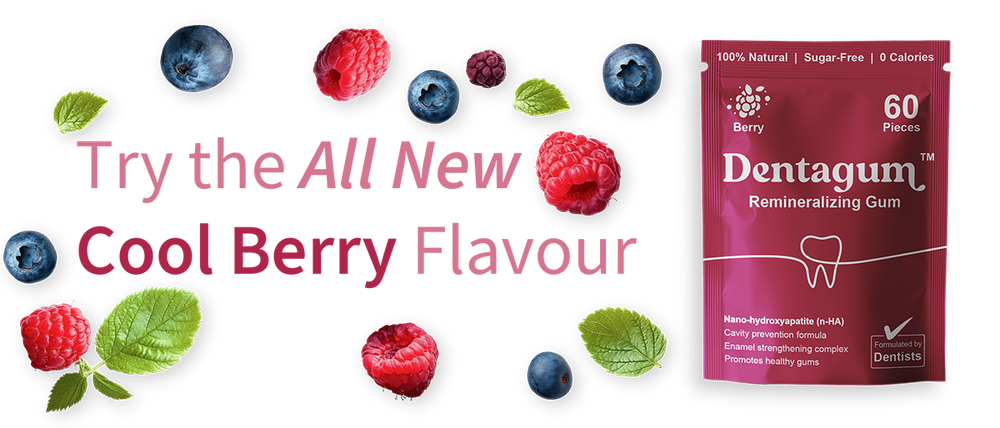
This article breaks down the science behind xylitol gum, how it may help support oral health, and why products like Dentagum are helping redefine what chewing gum can actually do.
What Is Xylitol?
Xylitol is a naturally occurring sugar alcohol found in small amounts in:
- Fruits
- Vegetables
- Birch trees
- Corn cobs
- Certain plant fibers
Despite tasting sweet, xylitol behaves very differently from regular sugar inside the mouth.
Unlike sucrose and many fermentable carbohydrates, cavity-causing oral bacteria cannot effectively metabolize xylitol in the same way.
This difference is one of the key reasons xylitol has become so heavily studied in dentistry and preventive oral care.
Xylitol is now commonly found in:
- Sugar-free gum
- Toothpaste
- Mouthwash
- Mints
- Oral care lozenges
- Functional chewing gum
Many dentists recommend xylitol gum specifically because it combines several oral health benefits into one simple daily habit.
Why Regular Sugar Can Be Problematic for Teeth
To understand why xylitol gum matters, it helps to understand what happens when sugar interacts with oral bacteria.
The mouth naturally contains many different bacterial species.
Some bacteria are relatively harmless, while others contribute to acid production and enamel breakdown.
When oral bacteria feed on fermentable sugars, they produce acids as a byproduct.
Over time, repeated acid exposure may contribute to:
- Enamel demineralization
- Increased cavity risk
- Tooth sensitivity
- Plaque accumulation
- Oral pH imbalance
Frequent snacking, sugary drinks, candy, and traditional sweetened gum can create an environment where these acid attacks occur more often.
This is why dentists generally recommend avoiding prolonged exposure to sugar throughout the day.
Xylitol gum offers a very different approach.
How Xylitol Gum Works
Xylitol gum primarily supports oral health through two major mechanisms:
1. Reduced Acid Production
Research suggests that many cavity-associated bacteria are unable to properly ferment xylitol the same way they metabolize sugar.
This means less acid production compared to traditional sugary products.
Several studies have investigated how regular xylitol use may influence oral bacteria and cavity development.
A systematic review published in the Journal of Oral Science found evidence that xylitol-containing products may help reduce dental caries risk when used consistently. (pmc.ncbi.nlm.nih.gov)
Researchers have also observed reductions in plaque accumulation and mutans streptococci levels in some xylitol studies. (pubmed.ncbi.nlm.nih.gov)
While results vary between studies, the overall evidence surrounding xylitol remains highly promising.
2. Saliva Stimulation
The second major mechanism is saliva production.
Chewing itself naturally stimulates saliva flow.
This matters because saliva plays an essential role in oral health.
Healthy saliva helps:
- Neutralize acids
- Wash away food debris
- Support mineral balance
- Deliver calcium and phosphate to enamel
- Lubricate oral tissues
- Support oral pH regulation
Dry mouth is strongly associated with increased cavity risk.
By increasing saliva production, sugar-free chewing gum may help support the mouth’s natural protective systems.
This is one reason why chewing gum after meals is commonly recommended in many dental settings.
Why Xylitol Gum for Teeth Is Different From Regular Gum
Not all chewing gum is created equally.
Traditional gum products often contain:
- Sugar
- Artificial sweeteners
- Synthetic gum bases
- Artificial flavors
- Artificial colors
- Preservatives
Many consumers are now actively searching for healthier alternatives.
Xylitol gum is generally positioned as a healthier option because it:
- Contains no sugar
- Supports saliva production
- May reduce acid exposure
- Is often combined with cleaner ingredients
- Fits better into modern wellness-focused lifestyles
However, ingredient quality still matters.
Some xylitol gum products still contain artificial additives or synthetic gum bases.
That is why many consumers now look beyond xylitol alone and focus on overall formulation quality.
What the Research Says About Xylitol and Cavities
Xylitol is one of the most researched ingredients in preventive dentistry.
Several reviews and clinical studies have explored its potential role in cavity prevention.
Research has suggested that regular xylitol exposure may help:
- Reduce plaque accumulation
- Lower acid production
- Support oral pH balance
- Reduce cavity-associated bacterial activity
- Support a healthier oral environment
One review published in Clinical Oral Investigations found that sugar-free chewing gum may significantly reduce plaque quantity in the oral cavity. (pubmed.ncbi.nlm.nih.gov)
Another review found evidence that habitual xylitol use may contribute to lower caries incidence compared to no xylitol exposure. (pmc.ncbi.nlm.nih.gov)
That said, it is important to remain scientifically balanced.
Xylitol gum is not a miracle cure.
No chewing gum can replace:
- Brushing
- Flossing
- Professional cleanings
- Regular dental visits
- Good nutrition
The greatest benefits likely occur when xylitol gum is used consistently as part of a complete oral care routine.
Why Saliva Is More Important Than Most People Think
Many people underestimate how important saliva truly is for oral health.
Saliva acts as one of the mouth’s primary defense systems.
Healthy saliva helps:
- Neutralize acids after meals
- Maintain oral pH
- Support remineralization
- Protect enamel surfaces
- Reduce dry mouth discomfort
- Support fresher breath
Modern lifestyles often reduce healthy saliva flow.
Common contributors include:
- Stress
- Dehydration
- Medications
- Coffee
- Alcohol
- Mouth breathing
- High sugar intake
- Frequent snacking
Chewing xylitol gum after meals may help temporarily stimulate saliva production during periods when the mouth would otherwise remain acidic.
This is one reason why gum for oral health has become such a rapidly growing category.
Xylitol Gum and Enamel Support
While xylitol itself is not a mineral, its role in saliva stimulation and acid reduction may indirectly help support the mouth’s natural remineralization process.
Healthy saliva naturally contains:
- Calcium
- Phosphate
- Protective proteins
These components help maintain enamel integrity.
Some modern oral care gums now combine xylitol with additional remineralizing ingredients like nano hydroxyapatite.
Nano hydroxyapatite is a form of hydroxyapatite, the same mineral naturally found in tooth enamel.
Research surrounding nano hydroxyapatite has grown significantly over the past decade.
Studies suggest it may help support enamel remineralization and sensitivity reduction under certain conditions. (pmc.ncbi.nlm.nih.gov)
This combination of xylitol plus nano hydroxyapatite has become increasingly popular in functional chewing gum products.
Why More Consumers Want Gum Without Aspartame
Another major trend influencing the rise of xylitol gum is the clean-label movement.
Consumers today are far more ingredient-conscious than previous generations.
Many people actively search for:
-
Gum without aspartame
-
Natural chewing gum
-
Healthy chewing gum
-
Fluoride free gum
-
Gum with cleaner ingredients
This has created demand for products using:
-
Natural flavors
-
Plant-based sweeteners
-
Traditional gum bases
-
Simpler formulations
Many functional oral care brands now focus heavily on ingredient transparency.
What Makes Dentagum Different?
Dentagum was designed around the concept of functional oral wellness rather than conventional chewing gum.
Instead of focusing only on flavor or breath masking, Dentagum combines multiple oral-care-oriented ingredients into one formula.
Dentagum includes:
- Xylitol
- Nano hydroxyapatite
- Erythritol
- Mastic gum
- Chicle gum
- Spruce gum
- Natural flavorings
Dentagum is also:
- Sugar free
- Aspartame free
- Fluoride free
- Vegan
- Designed for daily use
The formula was built to support:
- Saliva stimulation
- Oral freshness
- Cleaner ingredients
- Everyday oral care habits
- Enamel-supportive routines
Rather than functioning like traditional candy-style gum, Dentagum is positioned as a healthier chewing gum option focused on modern oral wellness.
The Best Time to Chew Xylitol Gum
Many dentists recommend chewing sugar-free gum shortly after meals.
This is because the mouth often becomes more acidic after eating.
Chewing gum after meals may help:
- Increase saliva flow
- Wash away food particles
- Neutralize acids faster
- Support fresher breath
Common times people use xylitol gum include:
- After coffee
- After lunch
- During work
- After snacks
- During travel
- After acidic drinks
- Between brushings
Consistency matters more than occasional use.
Daily habits generally produce the greatest long-term benefits.
Is Xylitol Gum Safe?
For most people, xylitol is generally considered safe when consumed in moderate amounts.
However, excessive sugar alcohol consumption may cause digestive discomfort in some individuals.
It is also critically important to remember that xylitol is extremely toxic to dogs.
Even small amounts can be dangerous for pets.
All xylitol-containing products should always be kept safely away from animals.
Why Functional Chewing Gum Is Growing So Quickly
The oral wellness industry is shifting toward products that support prevention and daily habits rather than temporary symptom masking.
Consumers increasingly want:
- Functional ingredients
- Multi-purpose products
- Cleaner labels
- Convenient wellness habits
- Evidence-backed formulations
This is why searches for terms like:
-
Xylitol gum
-
Best xylitol gum
-
Healthy chewing gum
-
Gum for oral health
-
Remineralizing gum
continue growing rapidly.
Functional gum fits perfectly into modern lifestyles because it is:
- Portable
- Convenient
- Easy to use
- Low effort
- Habit friendly
Many consumers now view chewing gum as an extension of their oral care routine rather than simply a candy product.
Final Thoughts
Xylitol gum has evolved far beyond being just another sugar-free gum alternative.
Research suggests that xylitol-containing gum may help support:
- Healthier oral bacteria balance
- Reduced acid exposure
- Saliva production
- Fresher breath
- Better everyday oral habits
When combined with modern functional ingredients like nano hydroxyapatite and cleaner gum bases, xylitol gum becomes part of a much larger shift toward preventive oral wellness.
While no chewing gum should replace proper dental care, functional chewing gum may offer meaningful support as part of a complete oral hygiene routine.
For consumers searching for healthier chewing gum designed specifically around oral wellness rather than just flavor, products like Dentagum represent a growing new category of functional oral care.
References
- Xylitol in Preventing Dental Caries: A Systematic Review and Meta-Analysis. PMC.
- A Systematic Review and Meta-Analysis of the Role of Sugar-Free Chewing Gum on Plaque Quantity in the Oral Cavity.
- Clinical studies evaluating xylitol-containing chewing gum and oral bacterial activity.
- Nano-hydroxyapatite and its applications in preventive dentistry.
- Oral health effects of saliva stimulation and sugar-free chewing gum.
