
Pregnancy Gingivitis: Why Your Gums Change and How to Protect Them
Pregnancy gingivitis affects an estimated 60% to 75% of pregnant women, driven by rising progesterone and estrogen increasing gum blood flow and inflammatory reactivity while slowing saliva production. ACOG confirms dental care is safe at any stage of pregnancy, though the link between periodontal disease and preterm birth remains scientifically unsettled: association observed, but treatment trials have not confirmed reduced preterm birth risk. What is well established: maternal xylitol gum use has been shown in a meta-analysis of 11 randomized trials to significantly reduce bacterial transmission from mother to child, roughly halving infant colonization with cavity-causing bacteria.

Quick Answer
Pregnancy gingivitis affects an estimated 60% to 75% of pregnant women, most noticeably by the second trimester. It happens because rising progesterone and estrogen increase blood flow to gum tissue and change how the body responds to the bacteria in dental plaque, making gums swell, redden, and bleed more easily even when your brushing and flossing habits have not changed. It is not caused by poor hygiene, and it is not a sign that anything is wrong with the pregnancy itself. Separately, research has found an association between more advanced gum disease (periodontitis) and preterm birth, though large randomized trials treating periodontal disease during pregnancy have not shown that treatment reduces preterm birth rates, so this connection remains scientifically unsettled. What is well established: consistent oral hygiene during pregnancy is safe, dental treatment is safe at any stage when needed, and maternal xylitol gum use has been shown in a meta-analysis of 11 randomized trials to significantly reduce the transmission of cavity-causing bacteria from mother to child. Chewing sugar-free gum with xylitol is one of the more evidence-backed, low-effort habits available during this period.
Last updated: July 2026. Reviewed against ACOG clinical guidance, CDC prevalence data, periodontal disease and preterm birth literature, and maternal xylitol transmission research
Pregnancy changes almost every system in the body, and the mouth is no exception. Most expectant mothers are told to expect nausea, fatigue, and changing appetite. Far fewer are warned that their gums are about to become measurably more reactive to the same plaque bacteria that were there before pregnancy. This article covers the actual hormonal mechanism, what the research does and does not support about the gum disease and pregnancy complication link, and the specific, safe steps that help.
What Pregnancy Gingivitis Actually Is
Pregnancy gingivitis is a mild, hormonally driven form of gum inflammation. The gums become red, swollen, tender, and prone to bleeding, especially during brushing and flossing. It typically appears in the second month of pregnancy, becomes most pronounced by the second trimester, and often improves after delivery as hormone levels return to baseline. Unlike ordinary gingivitis caused primarily by plaque buildup from inadequate hygiene, pregnancy gingivitis can appear even in women with consistent, careful oral hygiene, because the underlying driver is a hormone-amplified inflammatory response rather than plaque quantity alone.
It is important to be precise about severity. Pregnancy gingivitis itself is a mild condition. It becomes a more significant concern only if it is left unaddressed and progresses toward periodontitis, a more advanced form of gum disease involving loss of the tissue and bone that support the teeth. The distinction between gingivitis (reversible gum inflammation) and periodontitis (a more serious, potentially irreversible condition affecting the supporting structures) matters throughout this article.
How Common It Is
Pregnancy gingivitis is genuinely common, not a rare complication. The CDC has been cited as reporting that gingivitis affects 60% to 75% of pregnant women. The Cleveland Clinic similarly states that between 60% and 75% of pregnant women develop gum inflammation because of hormonal shifts. This means the majority of pregnant women will notice at least some degree of gum sensitivity, redness, or bleeding during pregnancy, and this is expected rather than exceptional.
The Hormonal Mechanism

The mechanism is specific and well characterized. During pregnancy, the body produces substantially more progesterone and estrogen than usual. These hormones increase blood flow to the gum tissue, which is why gums may look pinker, feel softer, and bleed more readily than before pregnancy. Progesterone specifically affects how the gum tissue responds to the toxins produced by plaque bacteria, amplifying the inflammatory response to the same bacterial load that previously caused a milder reaction.
Progesterone also has a separate, related effect: it can slow the flow of saliva. Since saliva is the mouth's primary defense against acid and bacteria, decreased salivary flow during pregnancy leaves the mouth more vulnerable to both tooth decay and gum disease at the same time the hormonal inflammatory response is amplified, a combined effect that explains why pregnancy is associated with elevated risk across multiple oral health measures simultaneously, not just gum inflammation in isolation.
One myth worth addressing directly because it causes real anxiety: the old saying that a baby "takes calcium" from the mother's teeth, causing tooth loss during pregnancy, is false. The baby's calcium needs are met through the mother's diet and bone stores, not by depleting mineral directly from her tooth enamel. Tooth sensitivity or discomfort during pregnancy is related to the hormonal changes described above, not to literal calcium being pulled from teeth.
Pregnancy Tumors: A Related but Separate Issue
Some pregnant women develop what dentists call a pregnancy tumor, more accurately known as a pyogenic granuloma. Despite the alarming name, this is not cancer. It is a benign, non-cancerous growth on the gum tissue, also caused by the same hormonal shifts driving pregnancy gingivitis. These growths are typically raised, reddish, and can bleed easily if irritated. They most often appear on the upper gums, tend to develop in the second trimester, and usually shrink or disappear on their own after delivery once hormone levels normalize.
While pregnancy tumors look concerning, they are considered a normal, harmless variant of pregnancy-related gum changes. If one develops, it is still worth mentioning to your dentist at your next visit so they can confirm it fits the typical pattern and monitor it, but it is not typically an emergency.
The Periodontal Disease and Preterm Birth Question
This is the part of the pregnancy oral health conversation that deserves the most careful, honest treatment, because the research is genuinely more nuanced than headlines often suggest.

Multiple observational studies have found an association between more advanced periodontal disease and adverse pregnancy outcomes, particularly preterm birth and low birth weight. One study found women with periodontitis had nearly twice the risk of preterm birth compared to women with healthy gums, with the risk especially elevated in the presence of deep periodontal pockets and bleeding on examination. The proposed biological mechanism is that bacteria or inflammatory molecules from infected gum tissue may travel through the bloodstream to the placenta, triggering inflammatory responses that can precipitate early labor.
However, this is where the evidence becomes genuinely complicated, and honesty requires saying so directly. The American College of Obstetricians and Gynecologists (ACOG), in its clinical guidance on oral health during pregnancy, states plainly that recent meta-analyses and large trials have not shown any benefit of periodontal therapy during pregnancy in reducing preterm birth or low infant birth weight. A landmark randomized controlled trial published in the New England Journal of Medicine, which assigned over 800 pregnant women to either immediate periodontal treatment (scaling and root planing) or treatment after delivery, found that treatment did not significantly change rates of preterm birth, low birth weight, fetal growth restriction, or preeclampsia. A 2024 umbrella review in Medicina examining the accumulated evidence base reached a similarly cautious conclusion, noting ongoing uncertainty despite the large volume of published research.
So the honest summary is this: an association between periodontal disease and preterm birth has been observed in multiple studies, but treating periodontal disease during pregnancy has not been shown to reduce that risk in the highest-quality randomized trials conducted so far. ACOG's own guidance explicitly states that despite this uncertainty about benefit, the studies did not raise any safety concerns about receiving dental treatment during pregnancy, meaning the practical takeaway is not to avoid dental care, but to understand that the causal picture between gum disease and pregnancy complications is still being worked out by researchers.
What the Research Actually Shows on Periodontal Disease and Preterm Birth
- Association observed: Multiple studies link periodontitis with increased preterm birth and low birth weight risk, with one study finding nearly double the risk in women with periodontitis
- Treatment benefit not confirmed: ACOG states recent meta-analyses and large trials have not shown periodontal therapy during pregnancy reduces preterm birth or low birth weight
- Landmark NEJM trial: Over 800 women randomized to immediate versus post-delivery periodontal treatment showed no significant difference in preterm birth, low birth weight, fetal growth restriction, or preeclampsia
- Safety not in question: ACOG is explicit that these studies raised no concerns about the safety of receiving dental care during pregnancy, regardless of the uncertain preterm birth benefit
- Bottom line for patients: Maintain good oral hygiene and get needed dental care for its own sake and for your own comfort and health, not as a guaranteed preterm birth prevention strategy that current evidence does not support
Is Dental Care Safe During Pregnancy

Yes. This is one of the more consistently confirmed points across dental and obstetric guidance. ACOG's clinical guidance states that preventive, diagnostic, and restorative dental treatments are generally safe at any stage of pregnancy when performed by a professional following recommended guidelines. Many dental sources note that the second trimester is often the most comfortable window for non-urgent procedures, since first-trimester nausea has typically subsided and third-trimester discomfort from lying in a dental chair has not yet become an issue, but this is a comfort consideration rather than a safety restriction. Urgent or necessary dental treatment should not be delayed regardless of trimester.
Routine dental exams and cleanings are not just safe during pregnancy, they are specifically recommended, since regular visits allow your dental team to monitor pregnancy gingivitis, catch any progression toward more serious gum disease early, and address other pregnancy-related oral health concerns like increased cavity risk from changed eating patterns or morning sickness.
Xylitol and Mother-to-Child Bacterial Transmission
This is one of the more genuinely well-supported, specific findings relevant to pregnancy and early motherhood, and it deserves more attention than it typically gets. Streptococcus mutans, the primary bacterium responsible for tooth decay, is not present in an infant's mouth at birth. Babies acquire it, most commonly from their mother, through everyday close-contact behaviors like sharing spoons, tasting food before offering it, or kissing on the mouth. This is called vertical transmission, and the earlier and more heavily a child is colonized with S. mutans, the higher their lifetime cavity risk tends to be.

Research on maternal xylitol use has specifically targeted this transmission pathway. A meta-analysis of randomized controlled trials (Yates and Duane, PubMed) reviewed 11 RCTs across five research teams, involving 601 mothers, and found that infants of mothers who used xylitol gum showed a significantly reduced incidence of S. mutans in their saliva or plaque, with a risk ratio of 0.54 at 12 to 18 months and 0.56 at 36 months compared to control groups. This means the xylitol group's children were roughly half as likely to be colonized with cavity-causing bacteria at these checkpoints.
A separate Japanese study replicated earlier Nordic findings: mothers who chewed xylitol gum starting around the sixth month of pregnancy and continuing for about a year afterward had children who were significantly less likely to show S. mutans colonization between ages 9 and 24 months, with unexposed children acquiring the bacteria an average of 8.8 months earlier than the xylitol group's children. The proposed mechanism is that habitual maternal xylitol consumption selects for S. mutans strains with impaired adhesion properties in the mother's own mouth, meaning less of the bacteria's most transmissible form is available to pass to the infant in the first place.
The honest caveat worth including: a Cochrane-style meta-analysis noted that while short-term transmission reduction is well supported, the long-term effect of maternal xylitol gum exposure on the children's actual cavity rates years later remains less consistently established across the literature. The transmission-reduction finding is solid; how far downstream that benefit definitively translates into fewer childhood cavities is a more open question. Still, reducing the maternal bacterial reservoir through a simple, safe habit represents a meaningful, evidence-supported action available to expectant and new mothers.
What the Maternal Xylitol Research Shows
- Meta-analysis (11 RCTs, 601 mothers): Infant S. mutans incidence significantly reduced: risk ratio 0.54 at 12 to 18 months, 0.56 at 36 months, compared to control groups (Yates and Duane)
- Japanese replication study: Xylitol-group children acquired S. mutans an average of 8.8 months later than control-group children
- Proposed mechanism: Habitual xylitol use selects for S. mutans strains with impaired adhesion, reducing the transmissible bacterial reservoir in the mother's mouth
- Typical study protocol: Chewing initiated during pregnancy or shortly after delivery, continued for roughly one year, at 2 to 3 times daily
- Honest limitation: Short-term transmission reduction is well documented; the long-term effect on children's actual cavity rates years later is less consistently established across studies
Is Nano-Hydroxyapatite Safe During Pregnancy
Nano-hydroxyapatite is the same mineral that naturally makes up tooth enamel and bone, meaning the body is not being exposed to a foreign compound. The 2025 European Union Scientific Committee on Consumer Safety opinion on nano-hydroxyapatite found minimal systemic absorption and confirmed a good safety profile for its use in oral care products generally. There is no established mechanism by which topically applied nano-HAp in a chewing gum, which acts locally at the tooth surface rather than being systemically absorbed in meaningful amounts, would pose a specific pregnancy risk. As with any product used during pregnancy, women with specific concerns should discuss their full oral care routine with their obstetric provider or dentist, but nano-hydroxyapatite's mechanism and safety profile do not raise the kind of red flags associated with, for example, certain medications or high-dose systemic supplements.
The Practical Protocol
Bringing the mechanism, the research, and the safety picture together, the practical steps for protecting gum health during pregnancy are consistent with standard good oral hygiene, with a few pregnancy-specific additions.
Brush twice daily with a soft-bristled toothbrush and fluoride toothpaste, being gentle around inflamed or bleeding gum tissue rather than avoiding the area, since avoidance allows more plaque to accumulate and can worsen inflammation. Floss once daily to remove plaque between teeth where a toothbrush cannot reach. Stay well hydrated, since adequate hydration supports the saliva production that pregnancy hormones are already working to reduce. Keep regular dental checkups scheduled through pregnancy rather than skipping them, since your dental team can monitor whether gingivitis is progressing and catch any concerns early. If morning sickness involves frequent vomiting, rinse the mouth with water afterward rather than brushing immediately, since stomach acid temporarily softens enamel and brushing right away can cause more wear.
Chewing sugar-free gum with xylitol as the primary sweetener after meals adds two specific benefits relevant to this period: it stimulates the salivary flow that progesterone is working to reduce, addressing the mechanism described earlier in this article, and it delivers the mother-to-child transmission reduction benefit documented in the research above. This is a genuinely low-effort, well-evidenced habit to add during pregnancy and the months following delivery.

Safe Pregnancy Oral Care Checklist
- Brush twice daily with a soft-bristled brush and fluoride toothpaste, even around bleeding gums
- Floss once daily to remove interdental plaque
- Keep scheduled dental checkups throughout pregnancy; do not skip them
- Rinse with water after vomiting rather than brushing immediately
- Chew sugar-free xylitol gum after meals to support saliva flow and reduce maternal S. mutans reservoir
- Report any new gum lump, persistent bleeding, pus, foul taste, or pain when chewing to your dentist promptly
- Do not delay urgent dental treatment out of pregnancy-related fear; ACOG confirms dental treatment is generally safe at any stage when medically indicated
When to Call Your Dentist
Mild gum redness, tenderness, and occasional bleeding during brushing or flossing fall within the expected range of pregnancy gingivitis and do not require an emergency visit, though they are worth mentioning at your next routine appointment. Contact your dentist more promptly if you notice gums bleeding frequently or heavily rather than occasionally, pus or a persistent foul taste developing, a new lump or growth on the gum tissue, pain specifically when chewing, or teeth that feel loose or gums that appear to be receding more than expected. These signs suggest the inflammation may be progressing beyond typical pregnancy gingivitis and warrant professional evaluation rather than waiting for your next scheduled visit.
Frequently Asked Questions
How common is pregnancy gingivitis?
Very common. Between 60% and 75% of pregnant women develop gingivitis, most noticeably by the second trimester, according to data cited by the CDC and Cleveland Clinic. This means most pregnant women will experience at least some degree of gum redness, tenderness, or bleeding, and this is considered an expected part of pregnancy's hormonal changes rather than a sign that oral hygiene has failed.
Does gum disease during pregnancy cause preterm birth?
The research here is genuinely mixed and requires care. Multiple observational studies have found an association between periodontal disease and increased preterm birth risk. However, ACOG's clinical guidance states that recent meta-analyses and large randomized trials, including a landmark New England Journal of Medicine study with over 800 participants, have not shown that treating periodontal disease during pregnancy reduces preterm birth or low birth weight rates. An association has been observed, but a proven causal, treatable relationship has not been established. ACOG is clear that this uncertainty does not raise safety concerns about receiving dental care during pregnancy.
Is it safe to get dental work done while pregnant?
Yes. ACOG states that preventive, diagnostic, and restorative dental treatments are generally safe at any stage of pregnancy when performed by a professional following recommended guidelines. The second trimester is often the most physically comfortable window for elective procedures, but urgent or necessary dental care should not be delayed for pregnancy-related reasons.
Does chewing xylitol gum during pregnancy actually help the baby?
There is meaningful evidence for one specific benefit: reducing the transmission of Streptococcus mutans (the primary cavity-causing bacterium) from mother to child. A meta-analysis of 11 randomized controlled trials involving 601 mothers found infants of xylitol-using mothers had significantly reduced bacterial colonization, with a risk ratio around 0.54 to 0.56 compared to control groups. Babies are not born with these bacteria; they acquire them from close contact with caregivers, most often the mother. Reducing the maternal bacterial reservoir through xylitol gum is a well-supported, low-effort way to lower this specific transmission risk.
Is nano-hydroxyapatite safe to use while pregnant?
Nano-hydroxyapatite is the same mineral naturally present in tooth enamel and bone, and the 2025 EU Scientific Committee on Consumer Safety opinion confirmed minimal systemic absorption and a good safety profile for its use in oral care products. It works locally at the tooth surface rather than being meaningfully absorbed into the bloodstream, which is different from an ingested systemic supplement. As with any product during pregnancy, discuss specific concerns with your obstetric provider or dentist, but the mechanism and existing safety data do not indicate a pregnancy-specific risk.
Does the baby take calcium from the mother's teeth during pregnancy?
No, this is a persistent myth. The baby's calcium needs during pregnancy are met through the mother's diet and existing bone mineral stores, not by depleting calcium directly from her tooth enamel. Tooth sensitivity, discomfort, or increased cavity risk during pregnancy is related to hormonal changes affecting saliva flow and gum tissue, along with dietary and hygiene pattern changes, not literal mineral loss from the teeth caused by the fetus.
Bottom Line
Pregnancy gingivitis affects the majority of pregnant women and is driven by a specific, well-understood hormonal mechanism: rising progesterone and estrogen increase gum blood flow and inflammatory reactivity while also slowing saliva production. It is not a sign of poor hygiene and typically improves after delivery. The link between more advanced periodontal disease and preterm birth remains scientifically unsettled: association has been observed, but the highest-quality treatment trials have not confirmed that treating gum disease during pregnancy reduces preterm birth risk. What is firmly established is that dental care itself is safe throughout pregnancy, and that maternal use of xylitol gum has been shown in a meta-analysis of 11 randomized trials to meaningfully reduce the transmission of cavity-causing bacteria to a child.
The practical path forward during pregnancy is unglamorous but genuinely effective: keep brushing and flossing even around tender gums, do not skip dental checkups, and consider adding sugar-free xylitol gum after meals as a safe, evidence-supported habit that supports both saliva flow during a period when it naturally declines and the documented reduction in mother-to-child bacterial transmission.
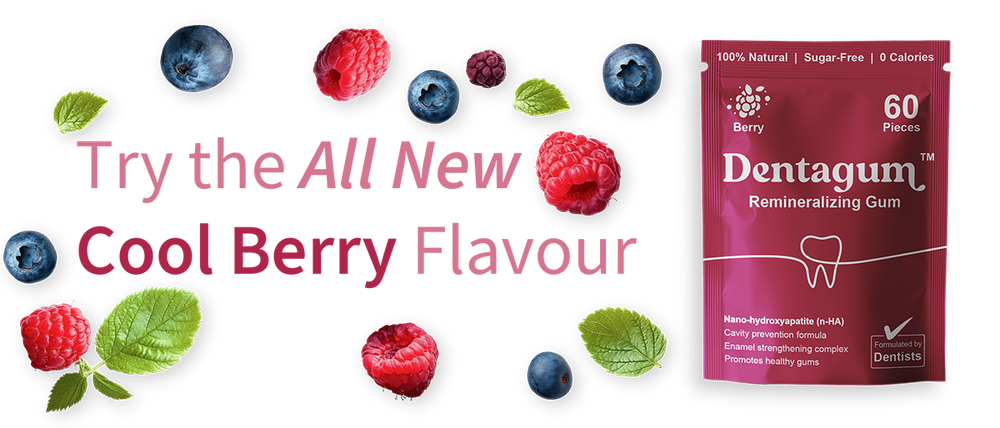
Explore Dentagum: Xylitol-Primary, Nano-HAp FormulaResearch Summary
This article draws on ACOG clinical guidance, CDC and Cleveland Clinic prevalence data, periodontal disease and preterm birth literature, and maternal xylitol transmission research. Key sources include: ACOG, Oral Health Care During Pregnancy and Through the Lifespan, Committee Opinion (recent meta-analyses and large trials have not shown benefit of periodontal therapy during pregnancy for reducing preterm birth or low birth weight; dental services during pregnancy raised no safety concerns in these studies); Michalowicz BS et al, Treatment of Periodontal Disease and the Risk of Preterm Birth, New England Journal of Medicine (over 800 women randomized to immediate versus post-delivery periodontal treatment; no significant difference in preterm birth, low birth weight, fetal growth restriction, or preeclampsia); Arbildo-Vega HI et al, Effect of Treating Periodontal Disease in Pregnant Women to Reduce the Risk of Preterm Birth and Low Birth Weight, an umbrella review, Medicina 2024 (comprehensive review of systematic reviews across multiple databases through April 2024, continuing uncertainty confirmed); PMC11051368, The Impact of Periodontal Disease on Preterm Birth and Preeclampsia (periodontitis associated with nearly double preterm birth risk; conflicting results in some populations); Oral-B, Pregnancy Gingivitis Causes Treatment and Prevention (CDC data: gingivitis affects 60 to 75% of expectant mothers, most pronounced second trimester); Cleveland Clinic pregnancy gingivitis prevalence data cited via Rabalais Dental Centre (60 to 75% of pregnant women develop gum inflammation from hormonal shifts); Crest, Pregnancy Gingivitis Causes Treatment and Prevention (pregnancy tumors or pyogenic granulomas are benign, hormonally driven, usually resolve after delivery); phdental.com, How Your Teeth Change During Pregnancy (progesterone, estrogen, and HPL mechanism; progesterone slows saliva flow; myth of baby depleting maternal tooth calcium addressed); Yates C, Duane B, Effect of maternal use of chewing gums containing xylitol on transmission of mutans streptococci in children, meta-analysis of RCTs, PubMed (11 RCTs, 5 research teams, 601 mothers; infant MS incidence risk ratio 0.54 at 12 to 18 months, 0.56 at 36 months versus control; long-term caries effect noted as less consistently established); Nakai Y et al, Xylitol Gum and Maternal Transmission of Mutans Streptococci, 2010 (107 pregnant women randomized; xylitol group children significantly less likely to show MS colonization ages 9 to 24 months; control children acquired MS 8.8 months earlier; Japanese replication of Nordic findings); Soderling E et al, Influence of Maternal Xylitol Consumption on Acquisition of Mutans Streptococci by Infants, Journal of Dental Research, 2000 (169 mother-child pairs; xylitol consumption selects for MS strains with impaired adhesion properties); EU Scientific Committee on Consumer Safety, safety opinion on nano-hydroxyapatite, 2025 (minimal systemic absorption; good safety profile confirmed for oral care use). This article does not provide individualized medical or obstetric advice, and readers should consult their own dentist and obstetric provider regarding their specific pregnancy and oral health situation.
References
- American College of Obstetricians and Gynecologists. Oral Health Care During Pregnancy and Through the Lifespan. Committee Opinion. acog.org. [Recent meta-analyses and large trials have not shown benefit of periodontal therapy during pregnancy for reducing preterm birth or infant low birth weight; dental care safety during pregnancy affirmed despite this uncertainty; maternal oral hygiene may decrease bacterial transmission to infant via shared behaviors]
- Michalowicz BS, Hodges JS, DiAngelis AJ et al. Treatment of Periodontal Disease and the Risk of Preterm Birth. New England Journal of Medicine. [413 women in treatment group, 410 in control; scaling and root planing before 21 weeks versus after delivery; no significant difference in gestational age, birth weight, fetal growth restriction, or preeclampsia rates]
- Arbildo-Vega HI, Padilla-Caceres T, Caballero-Apaza L et al. Effect of Treating Periodontal Disease in Pregnant Women to Reduce the Risk of Preterm Birth and Low Birth Weight: An Umbrella Review. Medicina. 2024;60(6):943. [Umbrella review across PubMed, Cochrane, Scopus, EMBASE, Scielo, Web of Science, and other databases through April 2024]
- The Impact of Periodontal Disease on Preterm Birth and Preeclampsia. PMC. PMC11051368. [Periodontitis associated with nearly double preterm birth risk; risk escalated with periodontal pockets 5mm or more and bleeding on examination; conflicting results in some study populations]
- Oral-B. Pregnancy Gingivitis: Causes, Treatment, and Prevention. oralb.com. [CDC data: gingivitis affects 60 to 75% of expectant mothers; most pronounced during second trimester; caused by hormonal changes, increased blood flow, and plaque buildup]
- Rabalais Dental Centre. How Hormones Affect Gum Health During Pregnancy. [Cleveland Clinic cited: surge of hormones increases gingivitis susceptibility; 60 to 75% of pregnant women develop gum inflammation]
- PH Dental. How Your Teeth Change During Pregnancy. phdental.com. [Progesterone, estrogen, and HPL as primary hormonal drivers; progesterone slows salivary flow, increasing decay and gum disease vulnerability; myth of fetal calcium depletion from maternal teeth addressed and debunked]
- Yates C, Duane B. Effect of maternal use of chewing gums containing xylitol on transmission of mutans streptococci in children: a meta-analysis of randomized controlled trials. PubMed. [11 RCTs, 5 research teams, 601 mothers; infant salivary or plaque MS incidence risk ratio 0.54 at 12 to 18 months, 0.56 at 36 months versus control; long-term caries effect on children noted as controversial across studies]
- Nakai Y, Shinga-Ishihara C, Kaji M et al. Xylitol Gum and Maternal Transmission of Mutans Streptococci. Journal of Dental Research. 2010. [107 pregnant women with high salivary MS randomized; xylitol group children significantly less likely to show MS colonization ages 9 to 24 months; control children acquired MS 8.8 months earlier; replicates Nordic findings in Japanese population]
- Soderling E, Isokangas P, Pienihakkinen K, Tenovuo J. Influence of Maternal Xylitol Consumption on Acquisition of Mutans Streptococci by Infants. Journal of Dental Research. 2000. [169 mother-child pairs; habitual xylitol consumption selects for MS strains with impaired adhesion properties, reducing transmissible bacterial reservoir]
- European Union Scientific Committee on Consumer Safety. Safety opinion on nano-hydroxyapatite for use in oral care products. 2025. [Minimal systemic absorption confirmed; good safety profile for oral care applications]
