
How Remineralizing Gum Works: Benefits, Science & Oral Care Guide 2026

Maintaining strong, healthy teeth goes beyond brushing and flossing; it involves supporting the natural processes that protect enamel from wear and decay. Remineralizing gum offers a practical oral care solution that aids enamel repair and freshens breath, especially after meals when acid attacks can begin. By combining specific active ingredients with the mechanical benefits of chewing gum, remineralizing gum works to enhance oral health and complement daily hygiene routines.
What Is Remineralizing Gum and Why Use It?
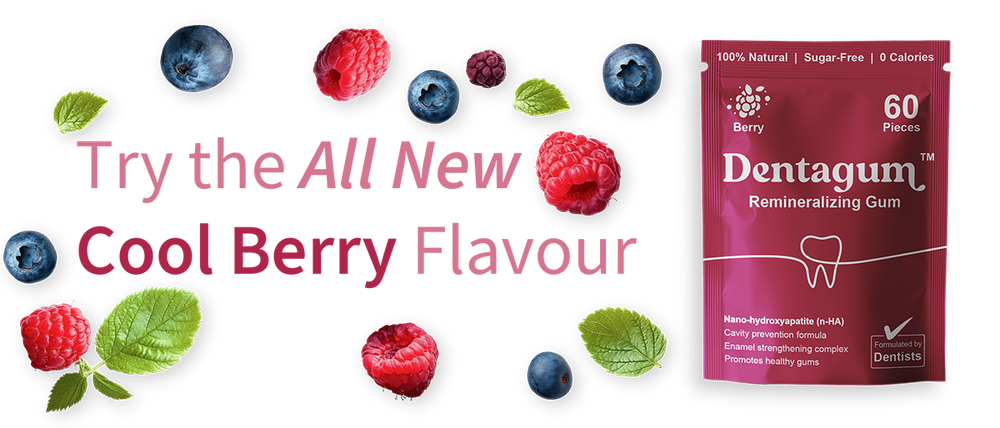
Remineralizing gum is a specialized chewing gum designed to support the repair and strengthening of tooth enamel. Unlike regular chewing gum or typical sugar-free options, it contains active ingredients such as xylitol and fluoride that actively promote enamel restoration. These components work together to encourage the remineralization process, helping reverse early enamel damage and maintaining overall oral health beyond just freshening breath.
The Remineralization Process: How Gum Supports Tooth Health
Teeth undergo a natural demineralization and remineralization cycle influenced by diet and oral hygiene. After meals, acidic byproducts can erode enamel minerals, but chewing gum stimulates saliva flow, which plays a critical role in repairing this damage. Saliva neutralizes harmful acids and delivers essential minerals like calcium and phosphate back to teeth. Remineralizing gums enhance this environment by releasing fluoride, xylitol, or mineral compounds that accelerate enamel repair.
Key Ingredients in Remineralizing Gum and Their Functions
Xylitol gum acts as a preventive agent by inhibiting harmful bacteria responsible for acid production, reducing cavity risks. Fluoride, a well-researched enamel-strengthening agent, helps rebuild mineral layers in teeth. Nano-hydroxyapatite and calcium/phosphate compounds directly supply minerals critical for restoring enamel integrity. A sugar-free formulation is essential to prevent feeding cavity-causing bacteria, ensuring that gum chewing supports oral health without contributing to decay.
Scientific Evidence: Does Remineralizing Gum Really Work?
Clinical studies highlight that chewing gum containing xylitol or calcium/phosphate compounds can support enamel repair and reduce cavity formation. Trials show meaningful reductions in acid levels and improvements in enamel hardness after regular use. However, gum complements, rather than replaces, comprehensive oral care, as it cannot fully reverse advanced cavities. Therefore, while remineralizing gum aids early enamel strengthening, it does not fix existing cavities, which require professional dental treatment.
Can remineralizing gum fix existing cavities?
Remineralizing gum can help repair early enamel damage but cannot fix existing cavities that have penetrated deeper layers of the tooth. Professional dental care is necessary for treating developed cavities. The gum’s role is preventive and supportive within an overall oral hygiene routine.
How to Incorporate Remineralizing Gum into Your Oral Hygiene Routine
For best results, chew remineralizing gum for 10–20 minutes following meals and snacks to boost saliva and maximize mineral delivery. This practice complements brushing and flossing rather than substituting them. Combining gum with fluoride toothpaste and routine dental visits creates a well-rounded oral hygiene routine. Tailoring your use of remineralizing gum according to personal dietary habits and oral health needs helps optimize its benefits over time.
Benefits of Using Remineralizing Gum Daily
Daily use of remineralizing gum freshens breath while neutralizing harmful acids that form after eating. By promoting saliva flow, it washes away food debris and balances the mouth’s environment. Over time, this supports a lower risk of cavities, reduced tooth sensitivity, and improved enamel strength. Moreover, it provides convenient oral care between brushing sessions, especially useful during busy days or travel.
Why Choose Sugar-Free and Xylitol Gum for Remineralization
Sugar-free bases are critical to prevent feeding cavity-causing bacteria and plaque buildup. Xylitol further inhibits these bacteria’s growth while enhancing saliva stimulation. Compared to other artificial sweeteners, xylitol offers superior oral health benefits by reducing acid production and promoting a healthy balance in the mouth. Consumers should look for well-labeled sugar-free xylitol gums to ensure they receive maximum remineralizing effects.
Saliva Flow: The Natural Ally Enhanced by Chewing Remineralizing Gum
Chewing gum triggers increased saliva production, which is a frontline defense in oral health. Saliva cleanses the mouth, neutralizes acidic conditions, and delivers essential minerals to remineralize teeth. This synergy between saliva and the gum’s active ingredients reduces enamel sensitivity and supports ongoing oral health maintenance through enhanced natural processes.
Choosing the Best Remineralizing Gum: What to Look For
Select gums with clear ingredient transparency, including xylitol, fluoride, or nano-hydroxyapatite. Verify sugar-free certification to avoid hidden sugars or harmful additives. Flavor and texture preferences matter for consistent use, as do dietary considerations such as vegan or allergen-free formulas. Whenever possible, choose products with clinical backing or ADA acceptance to ensure efficacy and safety.
Who Should Use Remineralizing Gum? (Target Users and Considerations)
Remineralizing gum suits individuals prone to cavities, dry mouth, or enamel sensitivity, providing an effective supplement to daily oral care. It benefits those seeking convenient protection between brushings, suitable for children, adults, and seniors when used appropriately. As with any new product, consulting a dentist before incorporation is advisable to tailor care safely.
Common Myths and Misconceptions About Remineralizing Gum
Some believe gum alone can replace brushing or cure cavities entirely, which is inaccurate. Not all chewing gums provide remineralizing benefits; ingredient quality and proper chewing frequency are crucial. Remineralizing gum serves as a supplemental tool to support—rather than substitute—proper oral hygiene habits.
Integrating Remineralizing Gum with Brushing and Flossing
Using remineralizing gum after meals is particularly helpful when brushing immediately isn’t possible. However, removing plaque effectively requires daily brushing and flossing. Combining all three practices—brushing, flossing, and gum chewing—creates a strong oral hygiene routine, encouraging consistent habits that maximize protection and enamel maintenance.
Potential Side Effects and Safety of Remineralizing Gum
Excessive chewing may cause jaw discomfort in rare cases. Xylitol is safe for most users but toxic to pets such as dogs and should be kept away from them. Monitoring for allergies or sensitivities to gum ingredients is advisable, with consultation from healthcare professionals for any concerns before routine use.
Tips for Maximizing the Benefits of Your Remineralizing Gum
Consistency matters: chew after every meal or snack to sustain saliva’s protective functions. Pair gum use with fluoride toothpaste and dental check-ups to strengthen enamel further. Avoid sugary and acidic foods or drinks that promote enamel erosion, and stay hydrated to support natural saliva flow for a healthier mouth environment.
Exploring Common Questions About Remineralizing Gum
Remineralizing gum helps protect enamel and reduce cavity risk but cannot heal existing cavities. It is safe for children with appropriate supervision and typically recommended for 10–20 minutes of chewing after meals. Benefits like improved enamel strength and fresher breath often appear with regular use over weeks. Understanding these factors helps users choose and use remineralizing gum effectively as part of their oral care.
