
Best remineralizing gum: what to look for and how it actually works
Discover how remineralizing gum works, why ingredients like xylitol and nano hydroxyapatite are gaining attention in oral care, and what to look for when choosing the best gum for enamel support and everyday oral wellness.

Why remineralizing gum is becoming so popular
For years, oral care routines focused almost entirely on brushing, flossing, and mouthwash.
While those habits still matter enormously, modern consumers are now looking for additional ways to support their teeth throughout the day, especially between meals, after coffee, during work, or while traveling.
That shift has fueled rapid growth in products like:
- Remineralizing gum
- Xylitol gum
- Nano hydroxyapatite gum
- Healthy chewing gum
- Sugar free gum for teeth
Unlike traditional chewing gum that mainly focuses on flavor or temporary fresh breath, remineralizing gum is designed to support a healthier oral environment.
The goal is not simply to mask bad breath.
The purpose is to help support enamel health, saliva production, oral pH balance, and long-term oral wellness.
As consumers become more ingredient-conscious, many are also moving away from conventional gum products filled with artificial sweeteners, synthetic gum bases, and heavily processed additives.
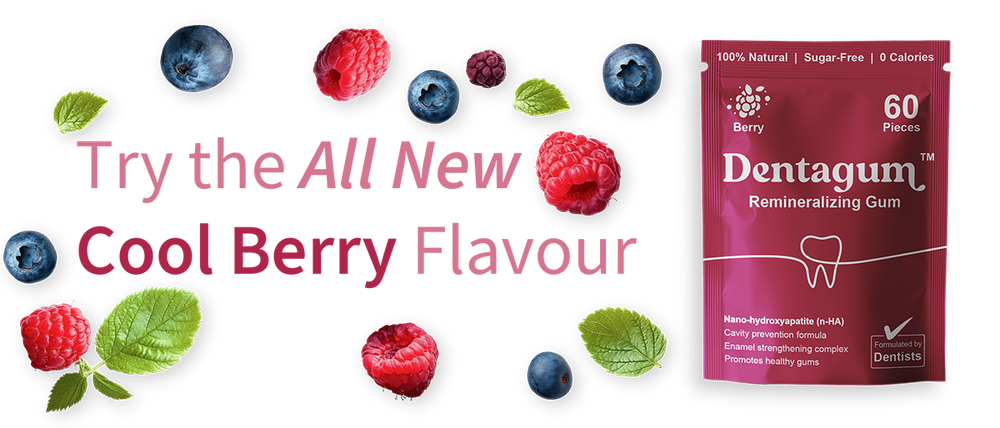
This is one reason why modern functional oral care products like Dentagum have gained attention.
Instead of functioning like candy, remineralizing gum is increasingly viewed as an extension of a modern oral care routine.
What is remineralizing gum?

Remineralizing gum is a category of functional chewing gum formulated with ingredients designed to help support enamel health and the mouth’s natural remineralization process.
To understand why this matters, it helps to first understand how enamel works.
Tooth enamel is primarily made from minerals, especially calcium and phosphate.
Throughout the day, enamel constantly goes through two competing processes:
Demineralization
This occurs when acids produced by oral bacteria or acidic foods begin pulling minerals away from the enamel surface.
Common contributors include:
- Sugary snacks
- Soda
- Coffee
- Sports drinks
- Citrus
- Frequent snacking
- Dry mouth
- Poor oral hygiene
Over time, excessive demineralization may contribute to:
- Tooth sensitivity
- Weak enamel
- Increased cavity risk
- Surface roughness
- White spot lesions
Remineralization
This is the natural repair process where minerals are redeposited back into the enamel.
Healthy saliva plays a major role because it naturally contains minerals that help maintain enamel integrity.
Remineralizing gum is designed to support this process through a combination of:
- Saliva stimulation
- Sugar-free chewing
- Mineral-supporting ingredients
- Reduced acid exposure
- Functional oral care ingredients
How remineralizing gum actually works
Many people assume chewing gum only freshens breath.
In reality, certain gum formulations may help support several important oral health mechanisms at once.
1. Saliva stimulation
One of the biggest benefits of chewing gum is increased saliva production.
Saliva is one of the mouth’s most important natural defense systems.
Healthy saliva helps:
- Neutralize acids
- Wash away food particles
- Support oral pH balance
- Deliver minerals to enamel
- Support fresher breath
- Reduce dry mouth discomfort
Modern lifestyles often reduce healthy saliva flow.
Factors such as stress, dehydration, medications, caffeine, alcohol, and constant snacking can all contribute to a drier mouth and more acidic oral environment.
Chewing sugar-free gum after meals may help temporarily stimulate saliva production during periods when the mouth would otherwise remain acidic.
This is one reason many dentists recommend sugar-free gum after eating.
2. Supporting a healthier oral environment
Many remineralizing gums use ingredients like xylitol and erythritol.
Unlike regular sugar, cavity-associated bacteria cannot properly metabolize these sweeteners the same way.
Research suggests xylitol may help reduce acid production and support a healthier oral environment when used consistently as part of a complete oral hygiene routine.
3. Delivering enamel-supportive ingredients
Some modern remineralizing gums also include ingredients like nano hydroxyapatite.
Hydroxyapatite is the same mineral naturally found in human tooth enamel.
Nano hydroxyapatite refers to hydroxyapatite particles engineered at an extremely small size.
Research suggests nano hydroxyapatite may help support enamel remineralization and sensitivity reduction under certain conditions.
When combined with saliva stimulation and sugar-free chewing, these ingredients help create a more functional oral care product than conventional gum.
Why saliva matters more than most people realize

One of the biggest mistakes most oral care content makes is ignoring saliva.
Healthy saliva is absolutely critical for maintaining strong teeth.
Saliva helps:
- Buffer acids after meals
- Maintain oral pH balance
- Deliver calcium and phosphate to enamel
- Reduce food buildup
- Lubricate oral tissues
- Support the mouth’s natural defense systems
Dry mouth is strongly associated with:
- Increased cavity risk
- Bad breath
- Plaque buildup
- Tooth sensitivity
- Oral discomfort
This is one reason why gum for oral health has become such a rapidly growing category.
The combination of chewing plus functional ingredients creates a convenient way to support the mouth throughout the day.
What makes a good remineralizing gum?

Not all chewing gum marketed as “healthy” is created equally.
Many conventional gums still contain:
- Artificial sweeteners
- Synthetic gum bases
- Artificial colors
- Preservatives
- Candy-style formulations
Consumers today are becoming far more ingredient-conscious.
Functional oral care ingredients
Ingredients commonly associated with oral wellness include:
- Xylitol
- Erythritol
- Nano hydroxyapatite
- Calcium-supportive compounds
Cleaner formulations
Many consumers now prefer products without:
- Aspartame
- Artificial dyes
- Synthetic fillers
- Excessive additives
- Natural gum bases
Traditional gum was historically made from natural tree resins and plant saps.Modern functional gum products increasingly use ingredients such as:
- Chicle gum
- Mastic gum
- Spruce gum
This appeals to consumers seeking more natural chewing gum alternatives.
The science behind xylitol gum

Xylitol is one of the most researched ingredients in modern preventive oral care.
Xylitol is a naturally occurring sugar alcohol found in small amounts in certain fruits and vegetables.
Unlike sugar, many cavity-associated bacteria cannot effectively ferment xylitol in the same way.
Research suggests xylitol-containing products may help support:
- Reduced acid production
- Healthier oral bacteria balance
- Lower plaque accumulation
- Better oral pH conditions
One of xylitol’s biggest advantages is that it combines well with saliva stimulation.
This is why many dentists recommend xylitol gum after meals.
Xylitol gum also appeals to modern consumers because it:
- Contains no sugar
- Fits lower-sugar lifestyles
- Supports fresher breath
- Functions well as a portable oral care habit
What is nano hydroxyapatite?

Nano hydroxyapatite has become one of the fastest-growing ingredients in modern oral care. Hydroxyapatite is the primary mineral naturally found in tooth enamel and bones. Nano hydroxyapatite refers to hydroxyapatite particles engineered at an extremely small size. Researchers believe these smaller particles may interact more effectively with microscopic enamel irregularities.
Studies over the past decade have shown promising results regarding nano hydroxyapatite’s ability to support:
- Enamel remineralization
- Surface smoothness
- Sensitivity reduction
- Early enamel lesion support
This ingredient is now increasingly used in various oral health products ranging from toothpastes to chewing gums. That said, balanced scientific discussion is important. While the research surrounding nano hydroxyapatite is highly promising, ongoing long-term studies continue evaluating its full clinical potential.
Why functional chewing gum is growing so quickly
Modern consumers increasingly want products that combine convenience with wellness. That shift has created explosive growth in functional chewing gum. Unlike traditional candy-style gum, functional gum is designed around specific wellness goals. In oral care, this includes:
- Saliva support
- Enamel support
- Cleaner ingredients
- Reduced sugar exposure
- Portable oral wellness habits
People increasingly use remineralizing gum:
- After meals
- After coffee
- During work
- Between brushings
- During travel
- After acidic foods
This convenience is a major reason why remineralizing gum has become such a fast-growing category.
What makes Dentagum different?

Dentagum was designed specifically around the idea of modern functional oral wellness. Rather than functioning like conventional chewing gum focused only on flavor, Dentagum combines multiple oral-care-oriented ingredients into one cleaner formulation. Dentagum includes:
- Nano hydroxyapatite
- Xylitol
- Erythritol
- Mastic gum
- Chicle gum
- Spruce gum
- Natural flavorings
Dentagum is also:
- Sugar free
- Aspartame free
- Fluoride free
- Vegan
- Designed for daily use
Instead of relying on synthetic candy-style formulations, Dentagum was created to support:
- Saliva production
- Cleaner ingredient habits
- Oral freshness
- Everyday oral wellness routines
- Enamel-supportive habits
This aligns closely with the growing consumer demand for healthier chewing gum products.
Who may benefit from remineralizing gum?
People commonly search for remineralizing gum because they are dealing with concerns such as:
- Sensitive teeth
- Dry mouth
- Frequent coffee consumption
- Acidic diets
- Frequent snacking
- Early enamel wear
- Bad breath
- Desire for fluoride-free oral care
- Interest in healthier chewing gum
Functional oral care gum may be particularly appealing for consumers who want portable support throughout the day.
Frequently asked questions about remineralizing gum
Can remineralizing gum rebuild enamel?
Enamel does not regenerate like skin. However, remineralization refers to helping redeposit minerals into weakened enamel areas, which may help support enamel strength and resistance.
Is xylitol gum safe?
For most people, xylitol is generally considered safe when consumed in moderate amounts.
However, xylitol is extremely toxic to dogs and should always be kept away from pets.
How often should you chew remineralizing gum?
Many people use sugar-free gum after meals or snacks. Consistency generally matters more than occasional use.
Can remineralizing gum help sensitive teeth?
Some ingredients commonly found in remineralizing gum, particularly nano hydroxyapatite, have shown promising research regarding sensitivity support.
Is fluoride-free gum effective?
Some consumers prefer fluoride-free oral care products and instead look for ingredients like xylitol and nano hydroxyapatite to support enamel-focused routines.
Final thoughts
Remineralizing gum represents one of the most interesting shifts in modern oral care.
Instead of functioning purely as candy or breath freshener, functional chewing gum is increasingly designed around:
- Oral wellness
- Saliva support
- Enamel-supportive ingredients
- Cleaner formulations
- Convenient daily habits
Research surrounding ingredients like xylitol and nano hydroxyapatite continues growing, and consumer demand for healthier chewing gum alternatives shows no signs of slowing down.
While no gum should replace brushing or professional dental care, modern remineralizing gum may offer meaningful support as part of a complete oral hygiene routine.
For consumers looking for a healthier chewing gum focused on oral wellness, cleaner ingredients, and modern functional care, products like Dentagum represent the future of everyday oral support.
References
- Featherstone JDB. Dental caries: a dynamic disease process. Australian Dental Journal, 2008.
- Hara AT, Zero DT. The caries environment: saliva, pellicle, diet, and hard tissue ultrastructure. Dental Clinics of North America, 2010.
- Enax J, Epple M. Synthetic hydroxyapatite as a biomimetic oral care agent. Materials, 2018.
- Lynch RJM, Smith SR. Remineralization agents: potential role in caries management. Caries Research, 2013.
- Reynolds EC. Remineralization of enamel subsurface lesions by casein phosphopeptide-stabilized calcium phosphate solutions. Journal of Dental Research, 1997.
- Research examining xylitol-containing products and oral bacterial activity.
These statements have not been evaluated by the Food and Drug Administration. This product is not intended to diagnose, treat, cure, or prevent any disease.
